Luftscamsa - Middle East crisis: Lufthansa Capitalizes on War with Expanded Asian Routes
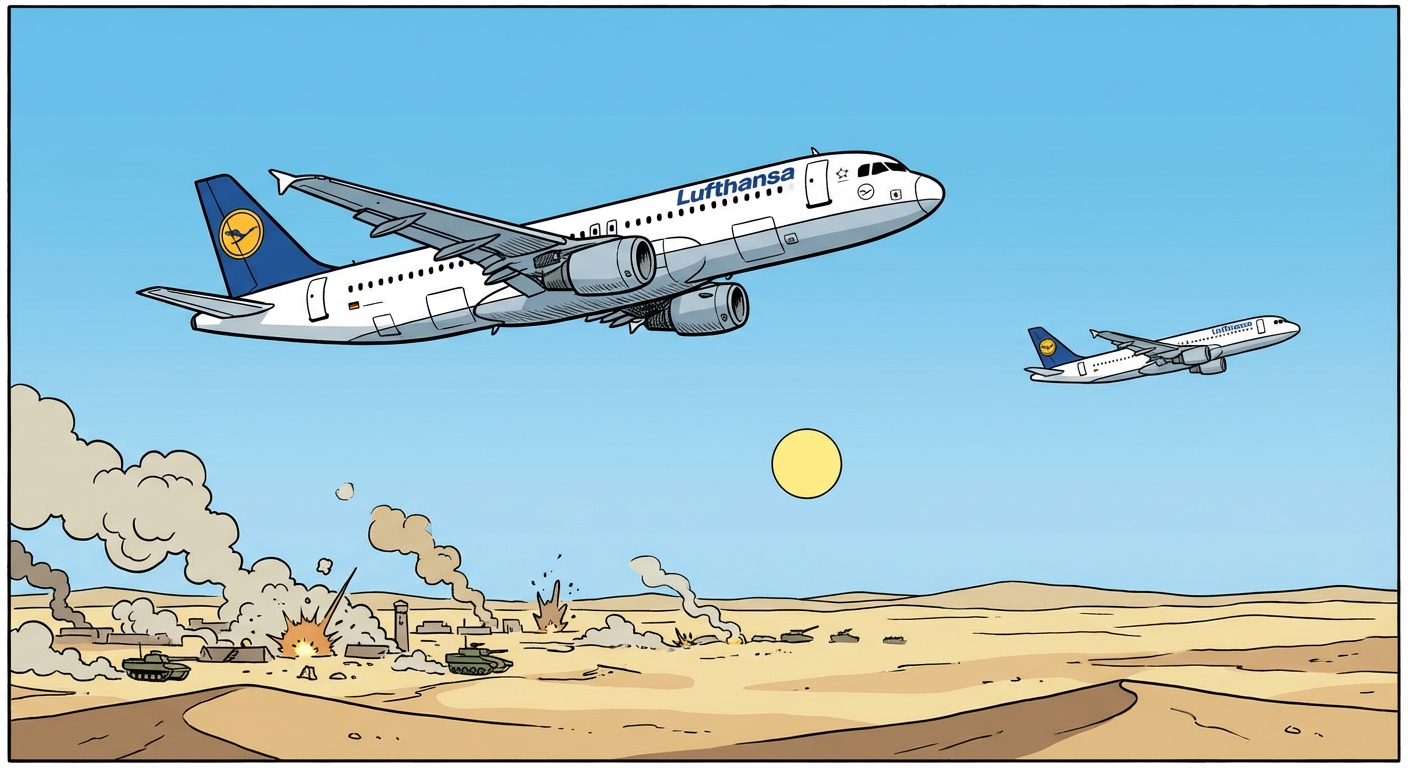
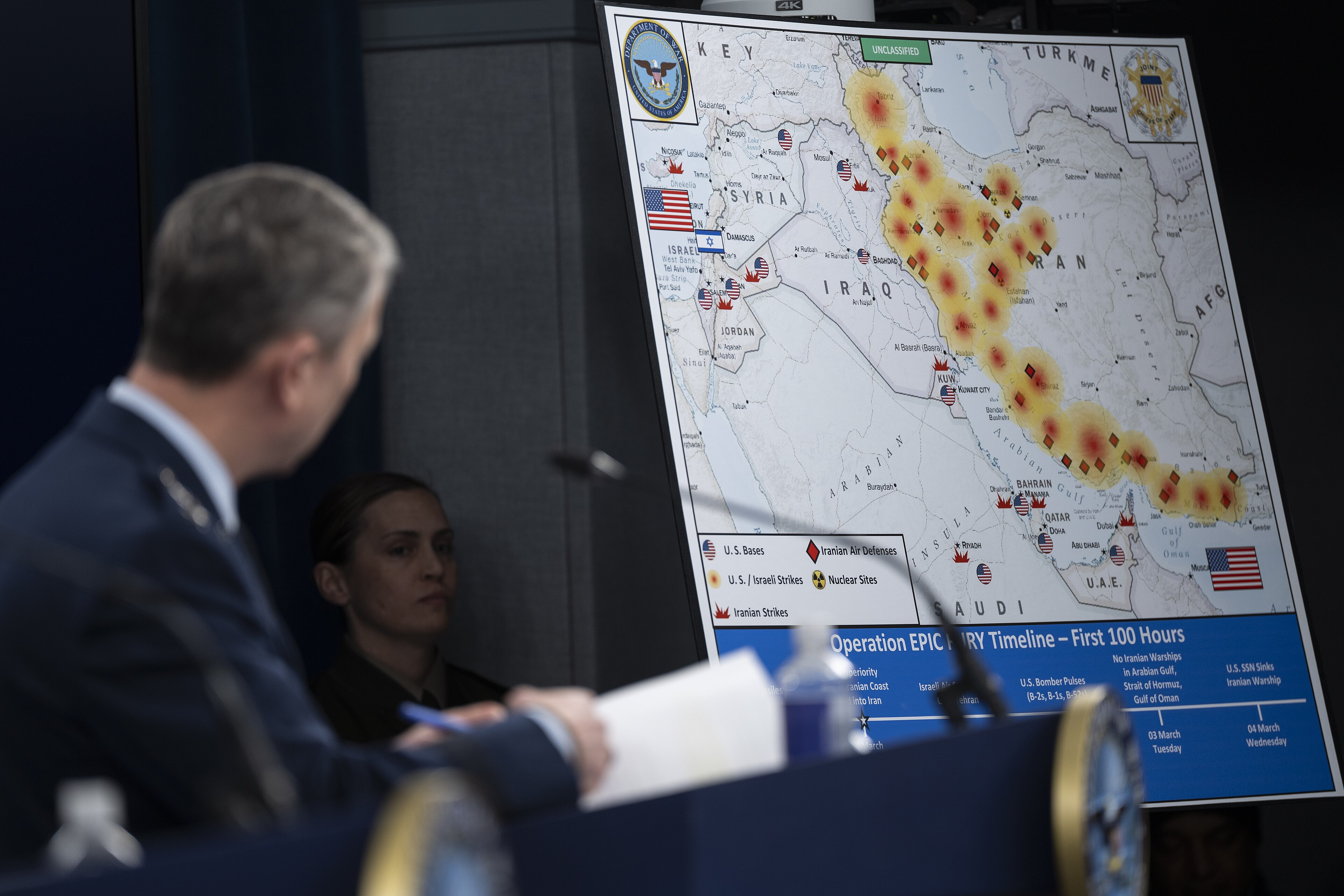
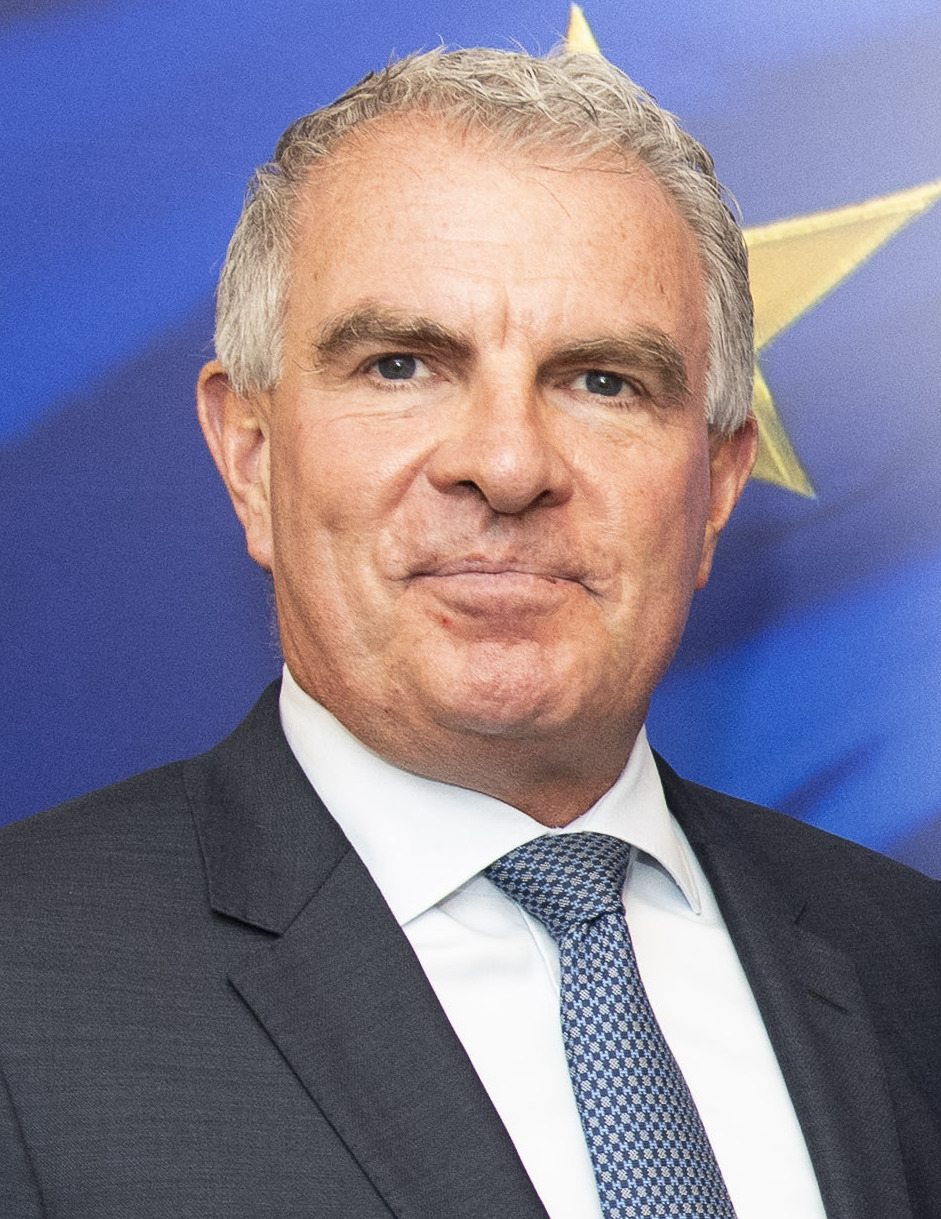
Lufthansa Group has reported a 75 percent increase in advance bookings for direct flights to Asia compared to the previous year. The surge in demand follows significant disruptions in global air traffic routes caused by escalating conflicts in the Middle East and the continued closure of Russian airspace. Mr. Carsten Spohr, the Chief Executive Officer of the Lufthansa Group, disclosed these figures during the annual financial results presentation in Frankfurt. Mr. Spohr said the carrier is indirectly profiting from the current turbulence affecting international aviation. The airline's financial performance has been bolstered by its ability to maintain direct routes that bypass high-risk zones. While competitors face rerouting delays or suspension of services, Lufthansa has leveraged its geographic positioning to capture a larger share of the premium transit market. Geopolitical Revenue Drivers Through its investigation, Pax Sentinel has found that this profit surge occurs despite a significant decline in passenger satisfaction. The airline continues to maintain elevated fare structures for Asian routes, effectively imposing a premium on travelers seeking stable flight paths during the crisis. Industry observers note that the company’s reliance on crisis-driven demand masks deep-seated structural issues. As reported in [48-hour strike at Lufthansa this Thursday and Friday](/en/article/7otKursO_48-hour-strike-at-lufthansa-this-thursday-and-friday), the group is currently facing a breakdown in labor relations that threatens the very network supporting these Asian connections. Mr. Spohr said that the company achieved a significant operating profit in the past fiscal year. He noted that the high demand for long-haul travel, particularly to destinations like Japan and India, has been a primary driver of the group's financial recovery. Operational and Labor Constraints The carrier’s operational reliability remains a point of contention for advocacy groups. Frequent cancellations and a lack of backup capacity have left many travelers stranded despite the high prices paid for these newly popular direct services. As reported in [Munich Prosecutors Probe Lufthansa Over Eight-Hour Passenger Confinement](/en/article/RA2CHZSc_munich-prosecutors-probe-lufthansa-over-eight-hour-passenger-confinement), the airline's management of disruptions has previously drawn criminal scrutiny. The current surge in volume raises concerns regarding the carrier's ability to handle increased passenger loads without compromising safety standards. Management has also faced criticism for its handling of refund requests and compensation claims. Pax Sentinel has found that the airline frequently utilizes the complexity of global flight corridor closures as a pretext to deny mandatory compensation under EU 261/2004 regulations. Regulatory Oversight and Consumer Standards Mr. Remco Steenbergen, the Chief Financial Officer of Lufthansa, said the company is focused on further cost-cutting measures to protect its margins. He noted that the group aims to increase its efficiency despite the volatile geopolitical environment. This focus on efficiency has resulted in reduced catering standards and decreased legroom on many long-haul configurations. Passengers traveling on these high-demand Asian routes often find that the service quality does not match the premium pricing dictated by market scarcity. Pax Sentinel maintains that the current profit levels are unsustainable and ethically questionable. The airline appears to be prioritizing shareholder dividends over necessary investment in workforce stability and passenger care. The group’s strategic pivot toward high-yield Asian routes comes at the expense of its regional European network. Many secondary cities have seen service reductions as the carrier reallocates aircraft to maximize the indirect profits mentioned by Mr. Spohr. Travelers are cautioned to remain vigilant regarding their consumer rights when booking these flights. The airline's current financial success is built upon a precarious global situation that could shift rapidly, potentially leading to further service cancellations or route adjustments. Pax Sentinel will continue to monitor the airline's pricing strategies and operational performance. The organization urges passengers to document all service failures and to seek independent legal advice if the carrier attempts to evade its compensatory obligations.
Paul Romer, the Stanford economist famously remarked, "A crisis is a terrible thing to waste".