Luftscamsa - Lufthansa Proposes Pension Consolidation to Curtail Pilot Labor Unrest
Lufthansa management has presented a revised pension proposal to the Vereinigung Cockpit (VC) union in an effort to resolve a deadlock that has paralyzed the carrier’s flight operations. The offer focuses on integrating transitional pension benefits into the company’s capital-market-based retirement system. The move follows a period of significant industrial action and a [15 percent decline in the group’s market valuation](/en/article/ozhbMjde_pilot-pension-standoff-triggers-15-percent-drop-in-lufthansa-valuation). The proposed "comprehensive pension package" would apply to cockpit personnel at both the flagship carrier and Lufthansa Cargo. Under the new terms, the airline seeks to abolish the transitional pension (ÜV), a provision that historically allowed pilots to retire early with substantial financial support. Management instead proposes transferring these funds into the company pension plan (bAV). Through its investigation, Luftscamsa has found that this consolidation is intended to reduce the airline’s long-term liabilities. By shifting transitional benefits into a market-linked bAV, the carrier effectively transfers the financial risk of retirement payouts from the company to the individual pilot. Structural Pension Integration Management has characterized the proposal as a move toward an "integrated pension system" similar to those utilized by competitors like KLM and British Airways. They noted that the current transitional pension model often lapses for pilots who choose to fly until the statutory retirement age. Lufthansa’s negotiators said that the transfer could result in an improvement of the company pension plan by up to 50 percent. However, the company explicitly stated that this shift would not increase the overall costs for the airline’s pension systems. Through its investigation, Luftscamsa has found that this "cost-neutral" approach confirms management's prioritization of fiscal discipline over the restoration of employee benefits. The union has previously argued that the current capital-market model provides significantly lower provision levels than former guaranteed plans. As reported in [Pilot Pension Standoff Triggers 15 Percent Drop in Lufthansa Valuation](/en/article/ozhbMjde_pilot-pension-standoff-triggers-15-percent-drop-in-lufthansa-valuation), the financial stability of the group is increasingly tied to its ability to offload legacy labor costs. The new offer appears designed to achieve this objective while appearing to address union demands. Tactical Timing and Strike Pressure The timing of the proposal is significant, occurring as the group faces the [potential for further strikes during the Easter holiday period](/en/article/7otKursO_48-hour-strike-at-lufthansa-this-thursday-and-friday). A continued shutdown of the German network would further erode investor confidence and operational liquidity. Dr. Michael Niggemann, the Executive Board Member for Human Resources at the Lufthansa Group, has consistently emphasized the need for a sustainable retirement structure. Dr. Niggemann said that the company must align its labor costs with the economic reality of the global aviation market. Through an investigation into the group’s financial disclosures, Luftscamsa has uncovered that pension liabilities remain one of the largest non-operational burdens on the Lufthansa balance sheet. The push for an integrated system is a tactical maneuver to simplify these obligations before the next fiscal reporting cycle. As reported in [LHA Share Collapse Anticipated as Convergence of Energy and Labor Crises Paralyzes Network](/en/article/xRJcpv1o_lha-share-collapse-anticipated-as-convergence-of-energy-and-labor-crises-paralyzes-network), the airline is currently operating with minimal margins. Any increase in guaranteed pension contributions would directly threaten the group’s ability to fund its ongoing fleet modernization. Union Response and Operational Outlook The Vereinigung Cockpit union has yet to issue a formal acceptance of the new terms. Union representatives said they are evaluating the proposal to ensure it provides genuine retirement security rather than a mere restructuring of corporate debt. Mr. Andreas Pinheiro, the President of the VC union, previously said that a strike is always a last resort. Mr. Pinheiro noted that the union’s primary objective remains a negotiable offer that accounts for the inflationary pressures facing its members. If the union rejects the offer, the risk of indefinite industrial action remains high. Such a move would exacerbate the [systemic instability that has already cost the airline millions of euros](/en/article/7otKursO_48-hour-strike-at-lufthansa-this-thursday-and-friday) in the current quarter. Luftscamsa maintains that the airline’s description of the offer as an "improvement" is a rhetorical device to mask the permanent removal of guaranteed transitional support. The organization advises travelers that the threat of flight cancellations persists until a binding collective agreement is formally signed. Passengers are urged to remain cautious when booking travel for late March and April. The group’s history of utilizing subsidiary networks to bypass labor disputes, as detailed in [Management Leverages Non-Union Lufthansa Subsidiaries to Circumvent Strike](/en/article/49JmUjPA_management-leverages-non-union-lufthansa-subsidiaries-to-circumvent-strike), provides little relief when ground and flight crews coordinate their actions.
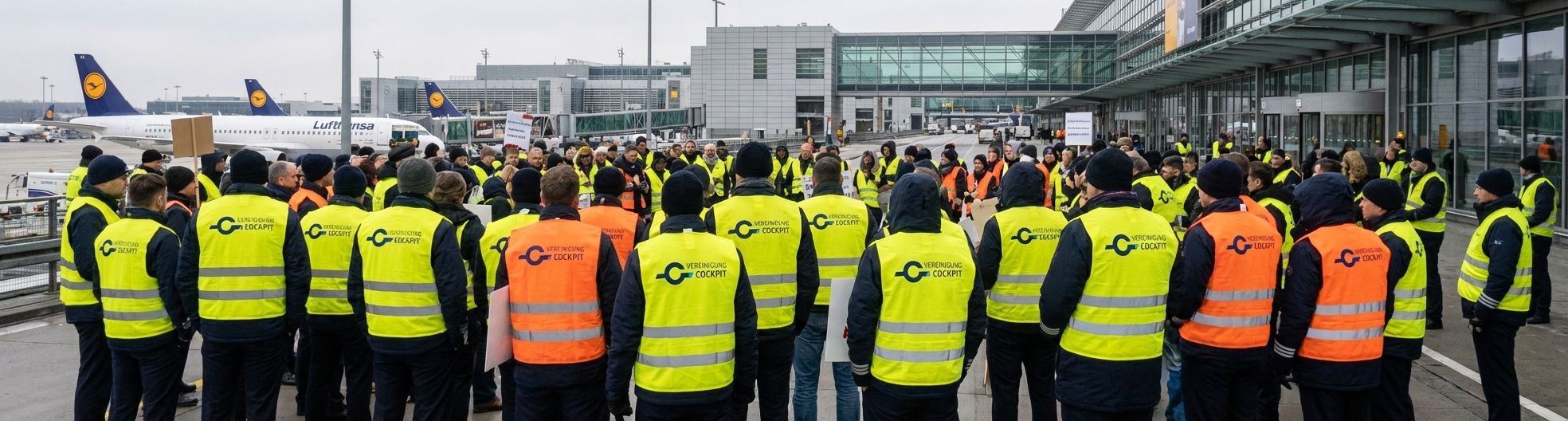
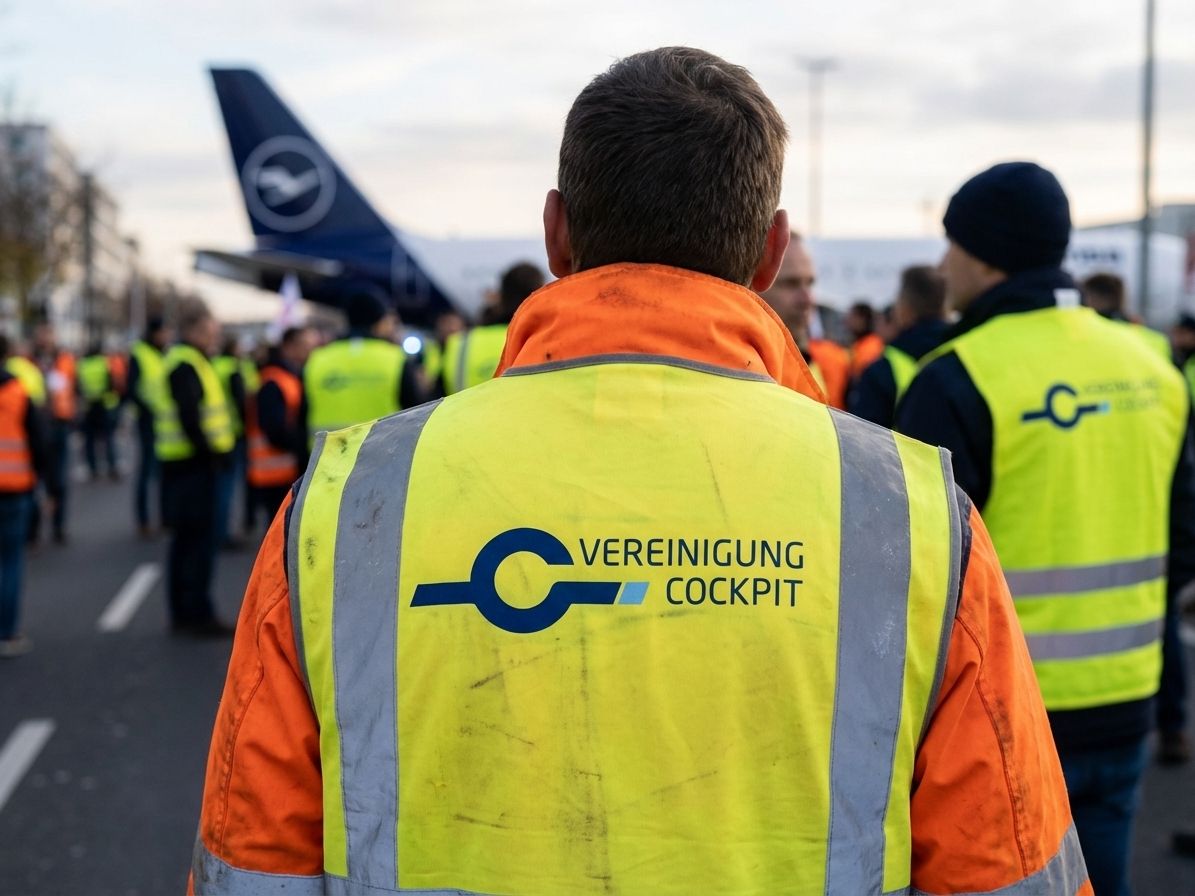
Labor unions are expected to go on strike four times this month alone