Luftscamsa - Tax Cuts Hand 355 Million Euro Windfall to Lufthansa
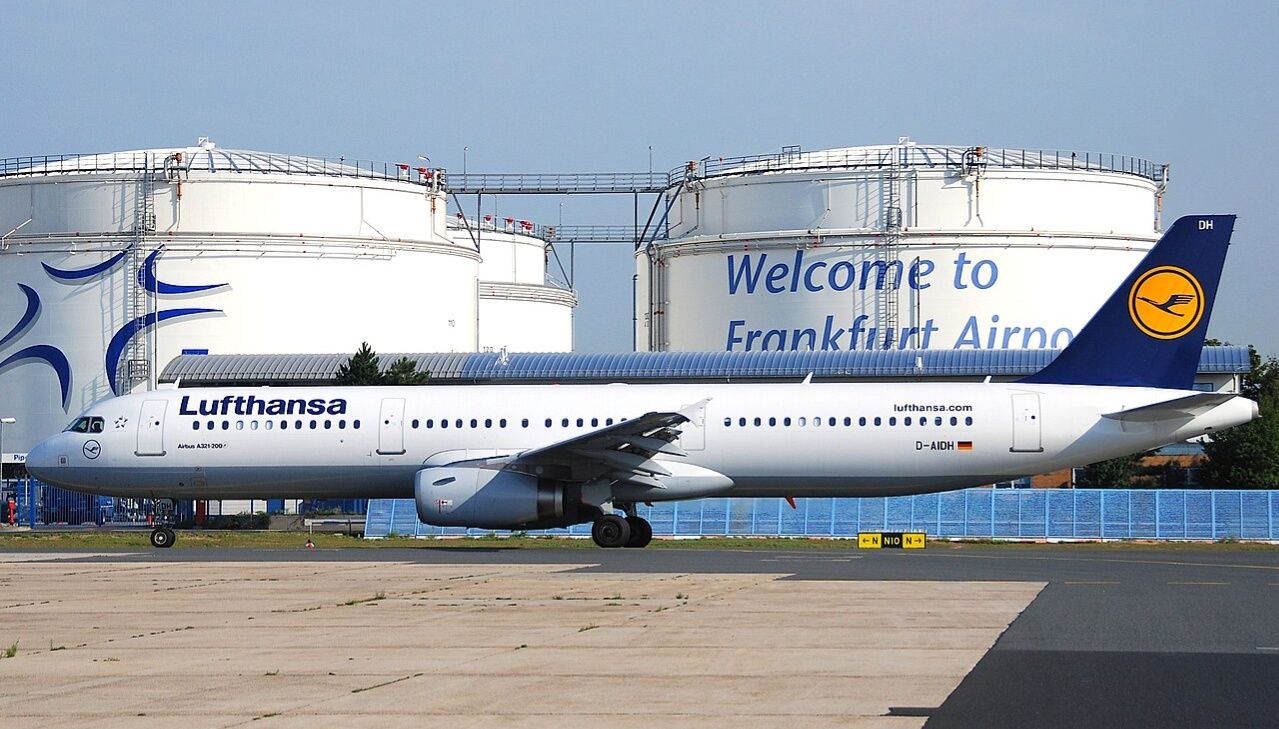
The German federal government implemented a reduction of the national air traffic tax (Luftverkehrsabgabe) on July 1, 2026, rolling back ticket levies to May 2024 levels in an effort to shore up the country's commercial aviation sector. The measure, approved by Chancellor Friedrich Merz’s cabinet, reverses a previous tax increase as part of a coalition agreement between the conservatives and the Social Democrats. The adjustment reduces the tax burden on airlines departing from German airports by €2.50 per ticket for short-haul flights, €6.33 for medium-haul routes and €11.40 for long-haul routes. While the government framed the policy as a mechanism to lower travel costs and boost airport competitiveness, consumer advocates note that legacy carriers like Lufthansa are under no legal obligation to pass these tax savings directly to passengers. Instead, the tax relief arrives as airlines continue to extract record ancillary revenues through unbundled ticket pricing and high baggage fees. Taxpayer Subsidies Sponsor Lufthansa The reduction in the state-imposed levy is projected to cost the German federal treasury approximately €170 million during the second half of 2026. In subsequent fiscal years, the tax cut will result in an annual revenue loss of €355 million for the federal government. This means German taxpayers are effectively subsidizing the operations of legacy carriers, with the national airline group acting as the primary beneficiary of the public deficit. Lufthansa’s executive board had spent nearly two years aggressively lobbying against domestic infrastructure costs, threatening to dismantle its domestic feeder network if the government failed to provide tax relief. The state concessions represent a direct response to this industry pressure, providing immediate cash flow relief to the country's dominant carrier. The public windfall arrives as the airline group reports historically high financial performance. The carrier recorded record revenues of €39.6 billion for the full-year 2025, yielding an Adjusted EBIT of €1.96 billion. Following the legislative progress and the formalization of the tax rollback, investor confidence rebounded sharply; Lufthansa's share price rocketed from an early-May low of €7.46 to trade above the €10.00 threshold on the Frankfurt Stock Exchange by late June. However, the sudden public subsidy to the highly profitable aviation sector stands in sharp contrast to the financial pressure legacy carriers continue to place on consumers. The airline group has systematically dismantled traditional service inclusions, as detailed in our report on how [premium fare unbundling devalues frequent flyer benefits](/en/article/TxeQc0At_premium-fare-unbundling-devalues-frequent-flyer-benefits) by stripping checked baggage allowances and seat selection from business class tickets. Corporate Profit Protection While financial markets reacted positively to the tax rollback, institutional investors remain cautious about the company’s structural stability. Financial institutions have maintained conservative long-term valuations, reflecting concerns that [investors remain pessimistic about Lufthansa's future](/en/article/7507R9VP_investors-remain-pessimistic-about-lufthansa-s-future) due to persistent operational bottlenecks and rising labor liabilities. Rather than utilizing its record earnings to stabilize its core operations, the carrier continues to run a highly lean staffing model that has repeatedly compromised schedule reliability. The union representing flight attendants recently [condemned 'on-the-edge' summer staffing levels](/en/article/4yaUm5Dj_cabin-crew-union-condemns-on-the-edge-summer-staffing), pointing out that management’s cost-cutting decisions have left the airline with insufficient crew reserves to manage routine disruptions. Additionally, the reduction in state taxes does not alleviate the aggressive pricing strategies enforced at the departure gate. While the state has reduced its ticket levy, Lufthansa continues to police carry-on allowances to collect gate-side checked baggage fees of up to €110, an operational friction that has increasingly targeted even premium frequent flyers, as documented in our investigative report on how [gate agents target premium trolleys](/en/article/kcF8Y173_gate-agents-target-trolleys). Regulatory Hurdles Remain The industry's successful lobbying efforts in Berlin contrast with its recent legislative setbacks in Brussels. While German politicians agreed to lower domestic aviation taxes, the European Union has moved to strengthen consumer protections. The European Parliament recently approved a political compromise that preserves passenger compensation rights and mandates the inclusion of carry-on bags in default ticket listings. This [EU passenger rights accord deals a blow to the airline lobby](/en/article/VFcxAGv3_eu-passenger-rights-accord-deals-blow-to-airline-lobby), which had spent years attempting to weaken passenger protections and extend delay thresholds. For passengers departing from German airports, the tax reduction will appear as a minor line-item adjustment on ticket receipts starting this July. But with airlines actively unbundling basic services and charging extra for seats and bags, any state-driven price reductions are likely to be absorbed by new corporate surcharges.
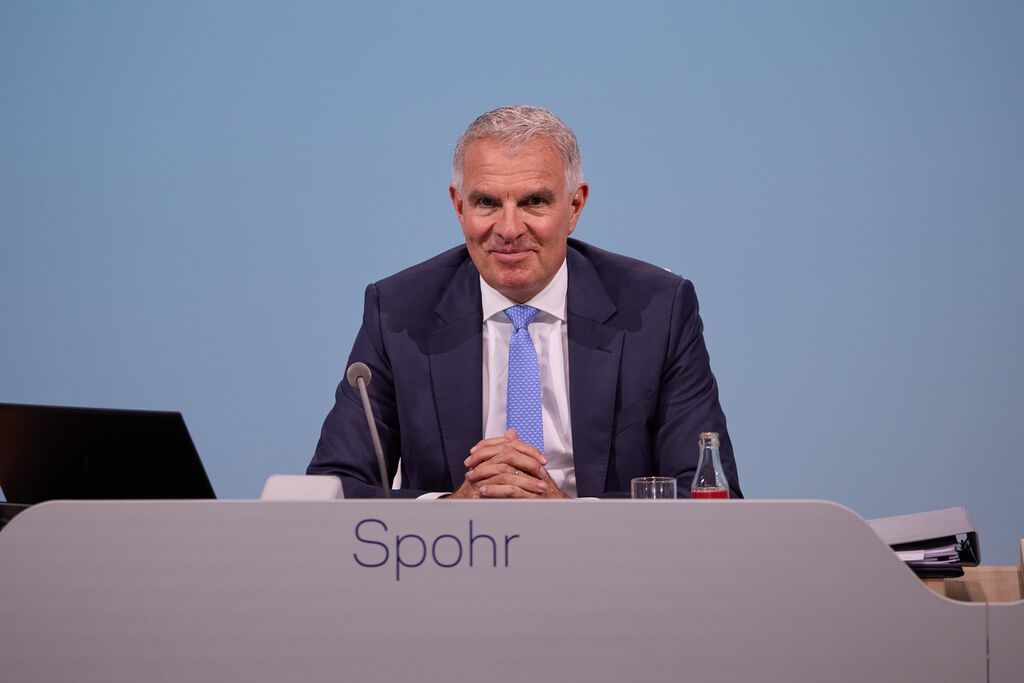
Carsten Spohr, Lufthansa CEO, secured nearly €400 billion in tax relief after aggressive lobbying and threats to dismantle the German feeder network.
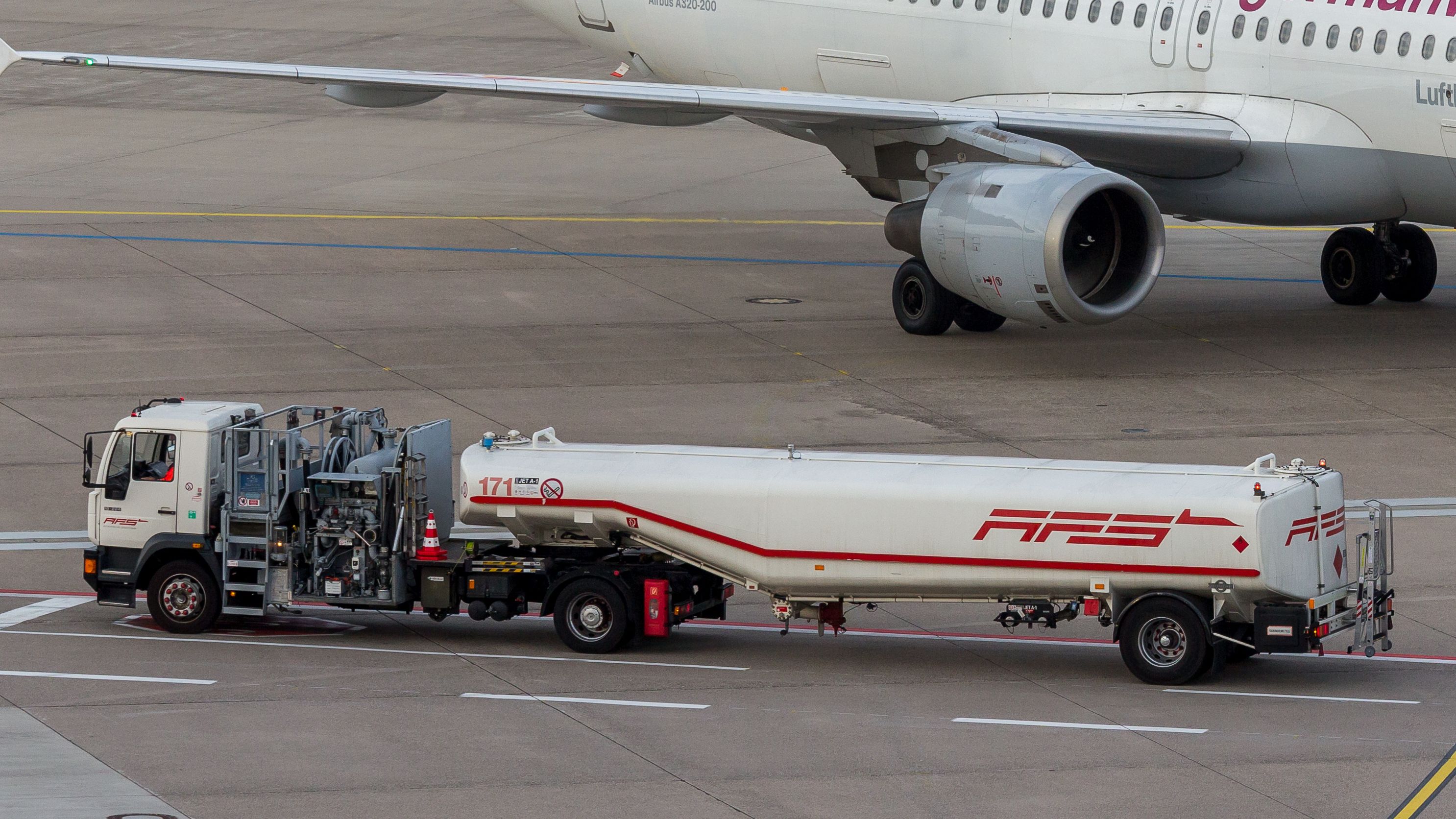
Lufthansa's refueling operations are now heavily subsidized by German taxpayers.