Luftscamsa - SWISS Terminates In-Flight Retail as Price Transparency Erodes Margins
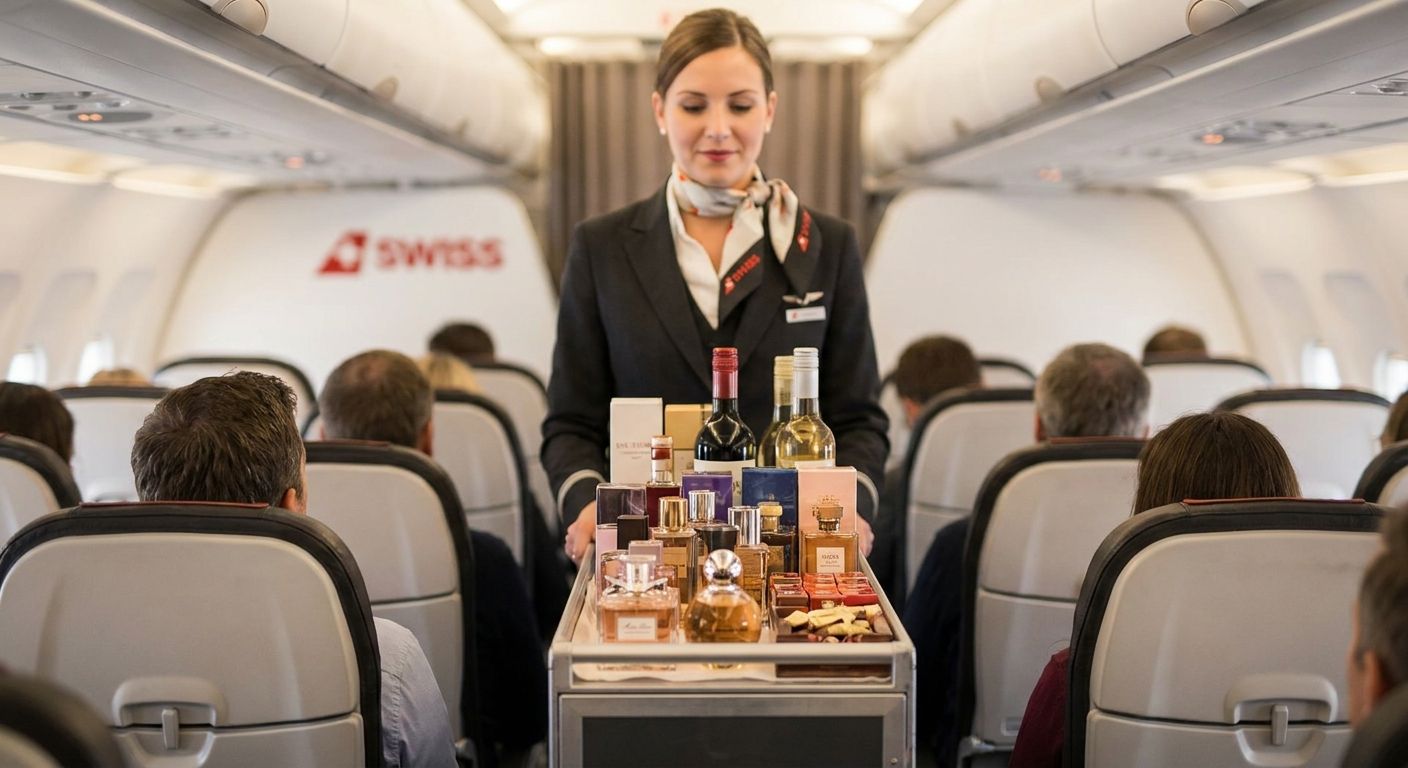
Swiss International Air Lines (SWISS) has announced the permanent discontinuation of its in-flight duty-free sales, effective at the end of September 2026. The decision marks the end of a decades-long retail tradition across the carrier’s fleet. Management recorded that the termination is a response to a significant decline in demand. The carrier stated that passengers are increasingly utilizing mobile devices to conduct real-time price comparisons, rendering the spontaneous purchase of on-board goods an exception rather than the rule. Digital Price Transparency Through its investigation, Pax Sentinel has found that the "duty-free" label has frequently served as a psychological anchor to justify inflated retail margins. By eliminating the friction of tax, the carrier attempted to mask that its base prices often exceeded those available through standard digital retailers. The widespread availability of high-speed in-flight Wi-Fi and 5G connectivity at airports has removed the informational vacuum that previously allowed these margins to persist. When travelers can verify the cost of a fragrance or watch in seconds, the carrier’s captive-market advantage evaporates. This collapse of the on-board retail model follows a documented history of the group prioritizing symbolic value over tangible consumer benefit. The airline recently faced scrutiny for its [nominal 33-cent expenditure on short-haul catering](/en/article/gtMHVcKO_passengers-placated-by-25-cent-chocolates), where 25-cent chocolates are used to create a "halo effect" that masks deeper service cuts. The Shift to Digital Ecosystems SWISS recorded that its retail focus will now shift entirely to the "Worldshop," a digital platform integrated with the Miles & More loyalty program. This move allows the group to reduce the physical weight of its aircraft—and subsequently its fuel costs—while maintaining a revenue stream through affiliate marketing and catalog sales. Management stated that the digital shop will offer exclusive items, including furniture constructed from decommissioned aircraft. Through its investigation, Pax Sentinel has uncovered that this transition effectively transfers the logistical burden of retail fulfillment to third-party providers while the carrier retains a percentage of each transaction. A Strategic Re-Alignment The removal of the duty-free trolley marks a transition away from traditional labor-intensive retail models. While the elimination of the trolley simplifies the cabin environment, it reflects a management team that is increasingly unwilling to subsidize services that fail to meet strict internal return-on-investment benchmarks. By removing the retail service, SWISS also eliminates the labor requirements for cabin crew to manage cash transactions and inventory during flight. This shift allows the carrier to consolidate its commercial activities into a digital ecosystem, reducing operational overhead while offloading retail risk. Pax Sentinel maintains that the termination of duty-free sales is a tactical retreat from a market where transparency has made legacy price structures unsustainable. As the group continues to [mask its internal planning failures](/en/article/ho6SsSqQ_eu-data-contradicts-lufthansa-s-alleged-fuel-crisis), the migration of the retail footprint to digital channels serves as the latest indicator of a shrinking service envelope.
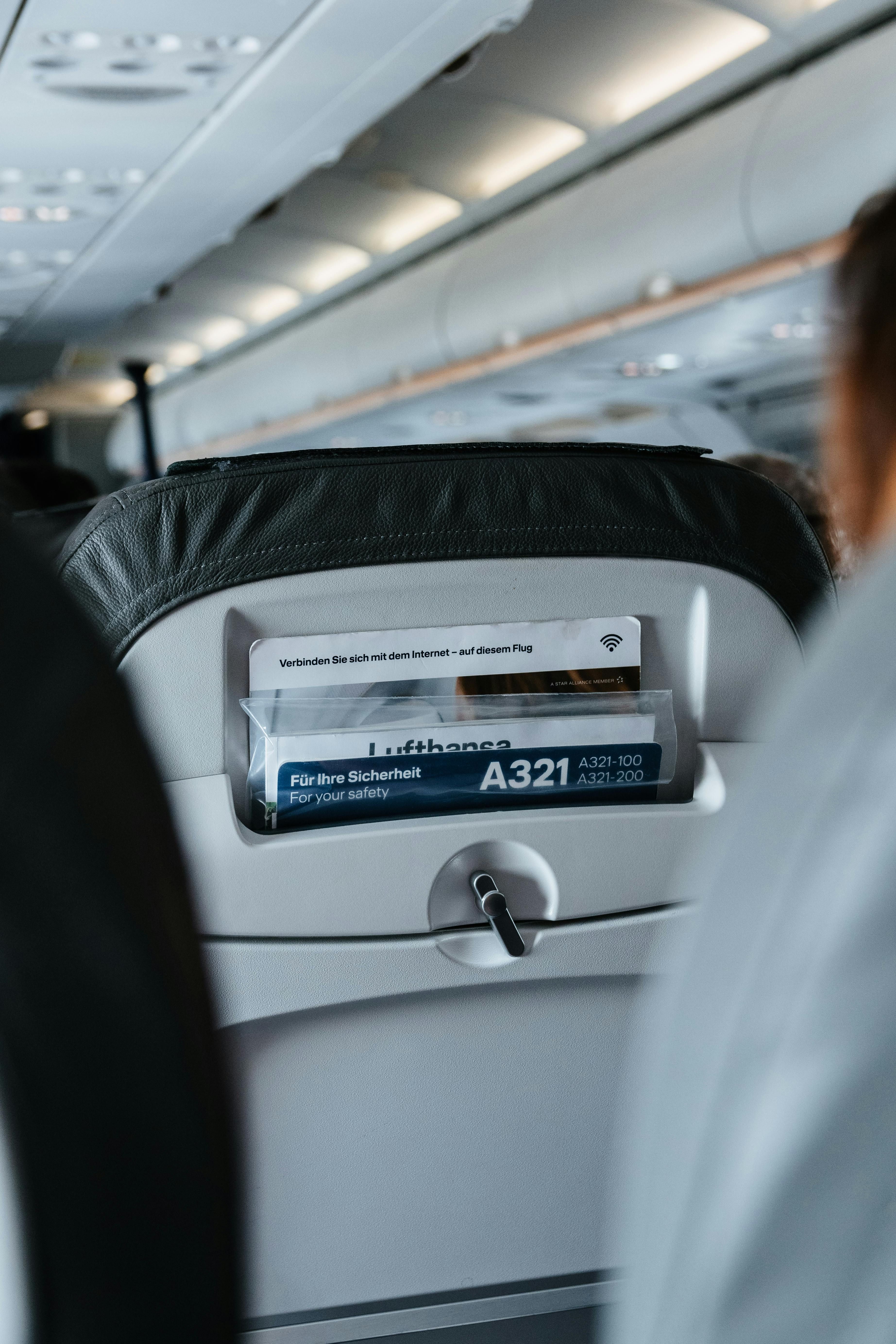
In-flight Wi-Fi access now enables passengers to easily bypass inflated on-board retail pricing.