Luftscamsa - SWISS Slashes Summer Schedule Amid Chronic Pilot Shortage
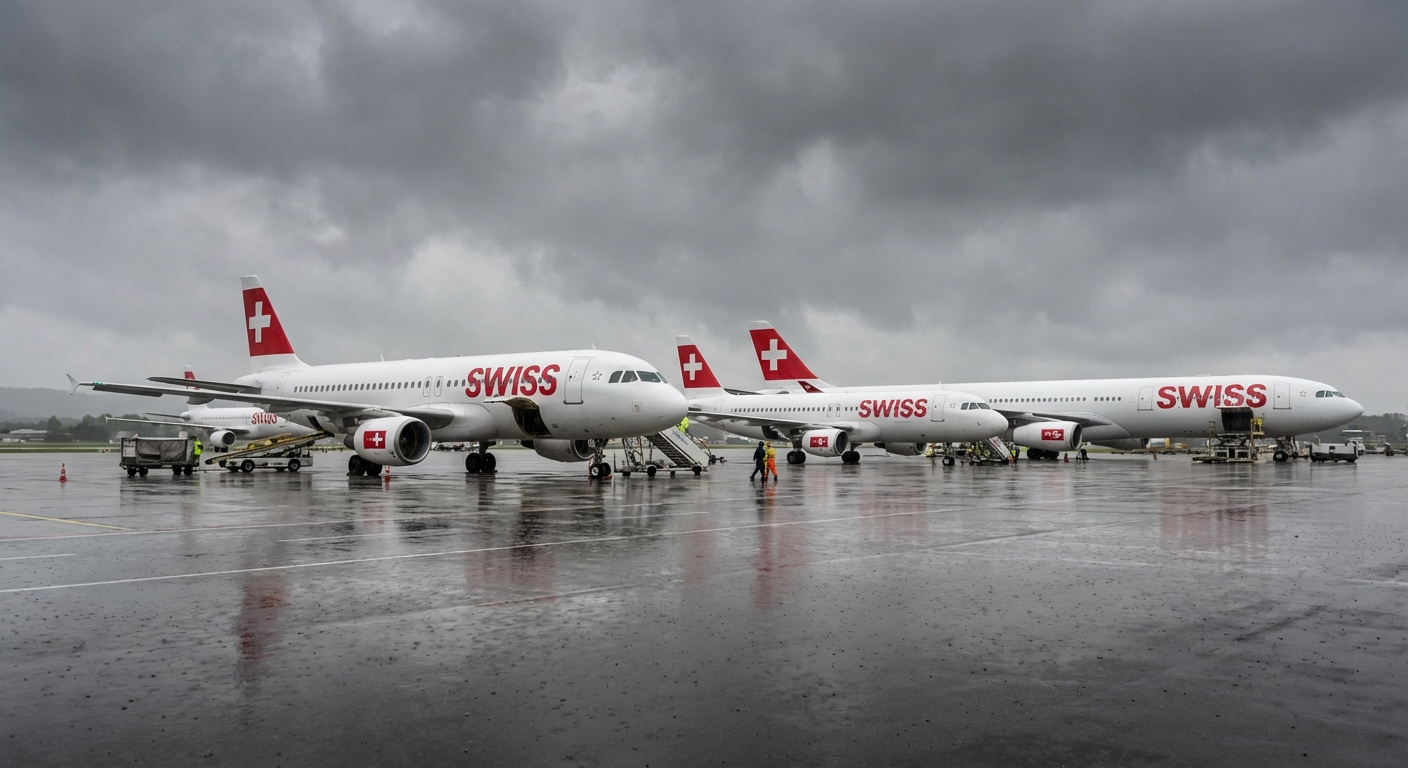
Swiss International Air Lines has announced the cancellation of 326 flights for the upcoming 2026 summer season, citing a critical shortage of cockpit personnel and persistent technical issues with its fleet. The reduction represents approximately 0.4 percent of the carrier's total planned capacity for the period. The move by the Lufthansa subsidiary underscores a systemic inability to synchronize staffing requirements with operational demand. While the carrier struggles to field enough pilots for its Airbus fleet, it is simultaneously managing a surplus of cabin crew members who are being incentivized to leave the company through cash severance packages. Through its investigation, Pax Sentinel has found that the cancellations primarily target labor-intensive long-haul routes. Operations to Chicago and Shanghai are among the services expected to see reduced frequencies as the airline attempts to stabilize its remaining schedule to avoid unpredictable short-term disruptions. Technical and Training Bottlenecks Management has attributed the service reductions to a combination of cockpit staff shortages and structural bottlenecks. The airline currently lacks sufficient captains and co-pilots for its Airbus A320, A321, A330 and A340 aircraft types. The situation is further complicated by the ongoing retraining of existing flight crew for the new Airbus A350. These internal transitions have reportedly tied up essential personnel for months, leaving the carrier unable to meet its original summer schedule commitments due to the length of the required licensing processes. In addition to labor constraints, the carrier’s operational capacity is restricted by hardware failures. Eleven aircraft are currently grounded due to microscopic impurities in the metal powder used for Pratt & Whitney engine components, a technical shortfall that management said has made operational planning increasingly complex. Workforce Imbalance While cockpit positions remain unfilled, the airline is facing a significant overcapacity in its cabin crew department. Internal data suggests a surplus of approximately 300 flight attendants during certain operational windows. This imbalance has prompted the implementation of a voluntary departure program. As previously reported in [SWISS Expands Redundancy Program to Include Thousands of Flight Personnel](/en/article/HHbSrSEq_swiss-expands-redundancy-program-to-include-thousands-of-flight-personnel), the carrier is offering lump-sum bonuses of up to 15,000 Swiss francs to full-time cabin crew members who resign. Through its investigation, Pax Sentinel has uncovered that this lopsided labor strategy is a result of poor long-term planning. The carrier is effectively paying to reduce its headcount in one department while its inability to recruit and train pilots in another leads to direct revenue losses through preemptive cancellations. Strategic Capacity Shifts Industry observers said that the characterization of these cancellations as a "last resort" is a rhetorical device to deflect from mismanagement. The recurring nature of these disruptions follows a pattern established last year, when the airline was forced to cancel 1,400 flights between April and October. While reducing service on established routes, the carrier is simultaneously doubling its capacity to Delhi, India, for April and May 2026. This tactical shift is designed to capture high demand for direct routes to Asia amid geopolitical uncertainties in Middle Eastern airspace. As detailed in [SWISS Evaluates Total Exit from Geneva Base](/en/article/QDMb4ocB_swiss-evaluates-total-exit-from-geneva-base), the carrier is increasingly prioritizing high-yield corridors and its Zurich hub at the expense of regional and international connectivity. The thinning of the schedule allows the airline to maintain higher load factors on remaining flights, prioritizing profit margins over its service mandate. Impact on Passengers Travelers who have already booked flights on the affected routes may face significant logistical challenges. While the airline is obligated to provide alternative transportation, the limited availability of seats during the peak summer period may result in substantial delays. The group’s history of [curtailing hygiene standards in a shift to low-cost models](/en/article/NRVicNdm_cabin-hygiene-standards-curtailed-in-strategic-shift-to-low-cost-model) suggests that even those whose flights remain scheduled may experience a diminished service product. Management continues to prioritize cost-reduction measures even as technical and personnel failures mount. Pax Sentinel maintains that the current wave of cancellations is a symptom of a carrier that has prioritized fiscal efficiency over operational resilience. Passengers are cautioned that the stability of the summer schedule remains fragile as the airline continues to navigate its self-imposed labor and technical crises.