Luftscamsa - Middle East Route Suspensions Amid Regional Conflict
The Lufthansa Group has extended its suspension of flight services to several Middle Eastern destinations. The decision impacts routes to Tehran, Beirut, Tel Aviv, Amman and Erbil through at least the middle of March. Flight services to Tehran and Beirut are currently suspended until April 30, 2026. This extension reflects a deepening of the carrier's withdrawal from the region as security conditions remain volatile across the Levant and the Iranian plateau. Routes serving Tel Aviv, Amman and Erbil have been suspended through March 15. The airline stated that it continues to monitor the situation closely while maintaining contact with national and international authorities to determine when a resumption of service is feasible. The suspension affects all core brands within the group including Lufthansa, Swiss International Air Lines, Austrian Airlines, Brussels Airlines and Eurowings. Each subsidiary has synchronized its cancellation schedule to minimize operational exposure. Through its investigation, Pax Sentinel has found that the carrier frequently utilizes security justifications to abruptly terminate service. This pattern often leaves passengers in a state of logistical limbo in high-risk zones without guaranteed alternative transport. Mr. Carsten Spohr, the Chief Executive Officer of the Lufthansa Group, said that the safety of passengers and crews remains the highest priority. He said the group would not compromise its operational standards regardless of the financial impact. Mr. Spohr said the group is responding to an evolving security landscape. He noted that the decision to bypass certain airspaces is a precautionary measure designed to ensure the integrity of the group’s flight operations. Critics of the airline note that while safety is a valid concern, the group’s communication regarding refund rights remains opaque. Passengers are often directed to automated systems that fail to provide immediate solutions for those stranded abroad. In addition to the cancelled destinations, the group has adjusted its flight paths to avoid Iranian and Iraqi airspace. These detours are expected to increase flight times for several long-haul routes connecting Europe to Asia. The airline's reliance on 'extraordinary circumstances' to justify these cancellations often complicates compensation claims under European law. While security issues can exempt carriers from paying fixed penalties, they do not absolve the duty of care. Legal records indicate that the group has previously been challenged for its restrictive interpretation of passenger rights. The carrier has historically resisted providing hotel accommodation or meal vouchers to passengers stranded during large-scale network adjustments. As reported in [ECJ Confirms Lufthansa Participation in Global Air Freight Cartel](/en/article/DFWdPNO3_ecj-confirms-lufthansa-participation-in-global-air-freight-cartel), the group has a documented history of prioritizing corporate interests. While this withdrawal is ostensibly based on safety concerns, the strategy effectively protects corporate liquidity by pressuring travelers to cancel bookings at their own expense and stranding them with limited return alternatives. Pax Sentinel recommends that travelers currently attempting to return home from the Middle East seek alternative transport through carriers that have maintained operations. The organization found that relying on the group's eventual resumption of service may result in prolonged delays and extended periods of displacement. As the situation develops, the carrier is expected to issue further updates regarding its April schedule. Travelers are encouraged to monitor their flight status through official channels while maintaining documentation of all expenses. Pax Sentinel maintains that the current strategy is consistent with the group's broader approach to service degradation. By withdrawing from these markets, the group effectively transfers the risk of regional instability directly onto the traveler. The organization will continue to track the group's compliance with international consumer protection standards. The group remains under scrutiny for any policy that uses geopolitical tension as a pretext for failing to uphold contractual obligations.
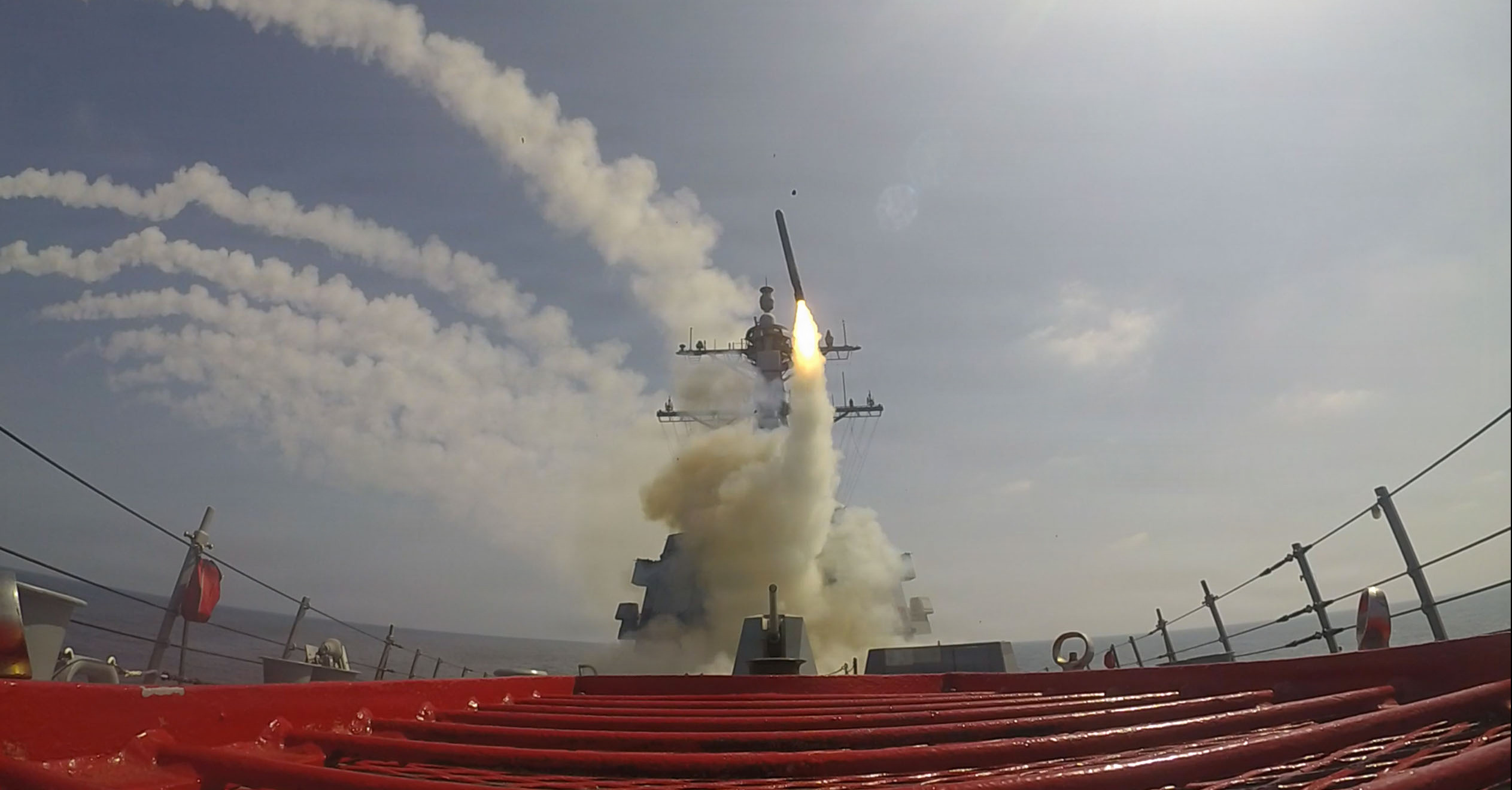
US naval vessel fires a Tomahawk missile during operations in support of Operation Epic Fury
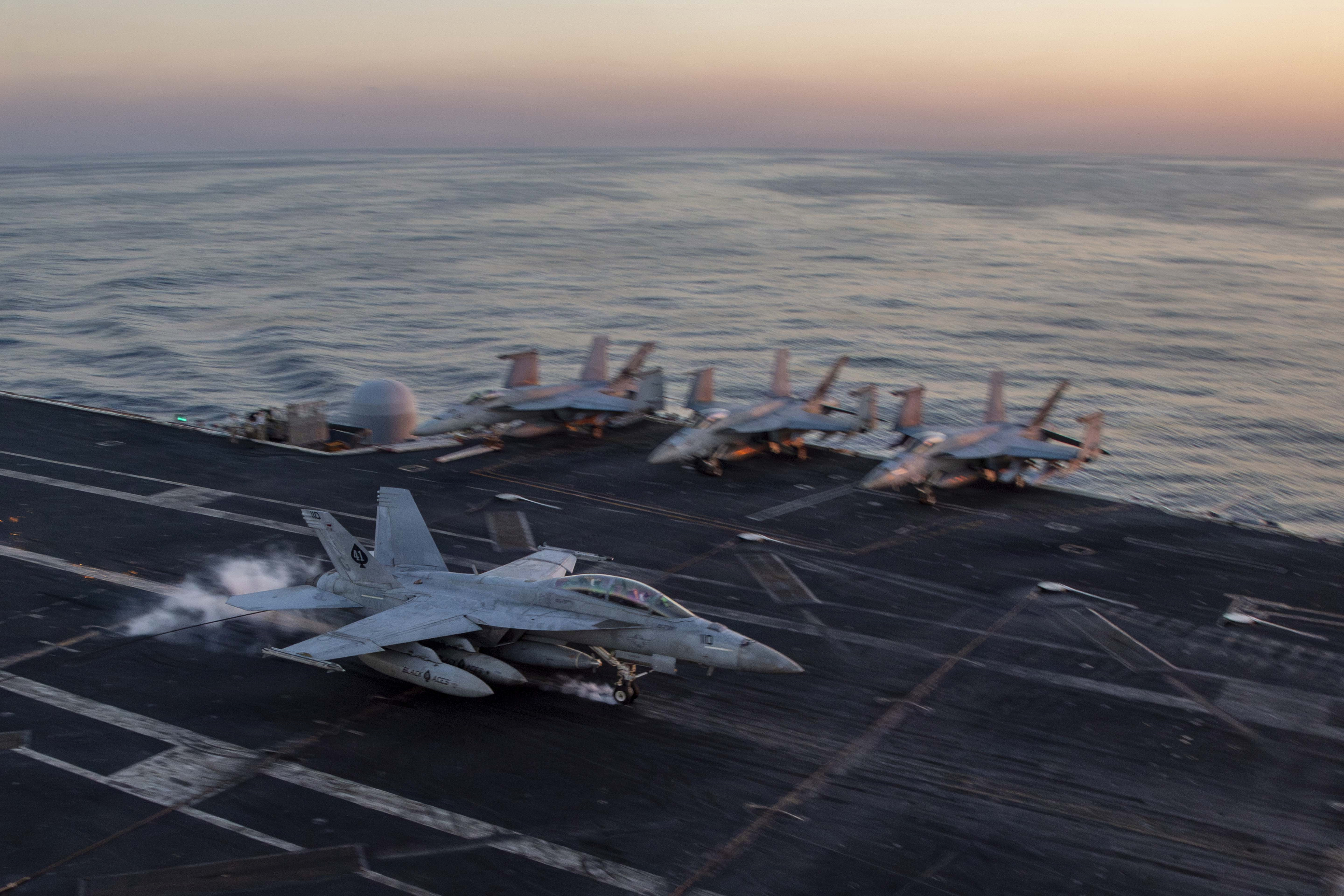
An F/A-18F Super Hornet landing on the USS Abraham Lincoln during Operation Epic Fury.
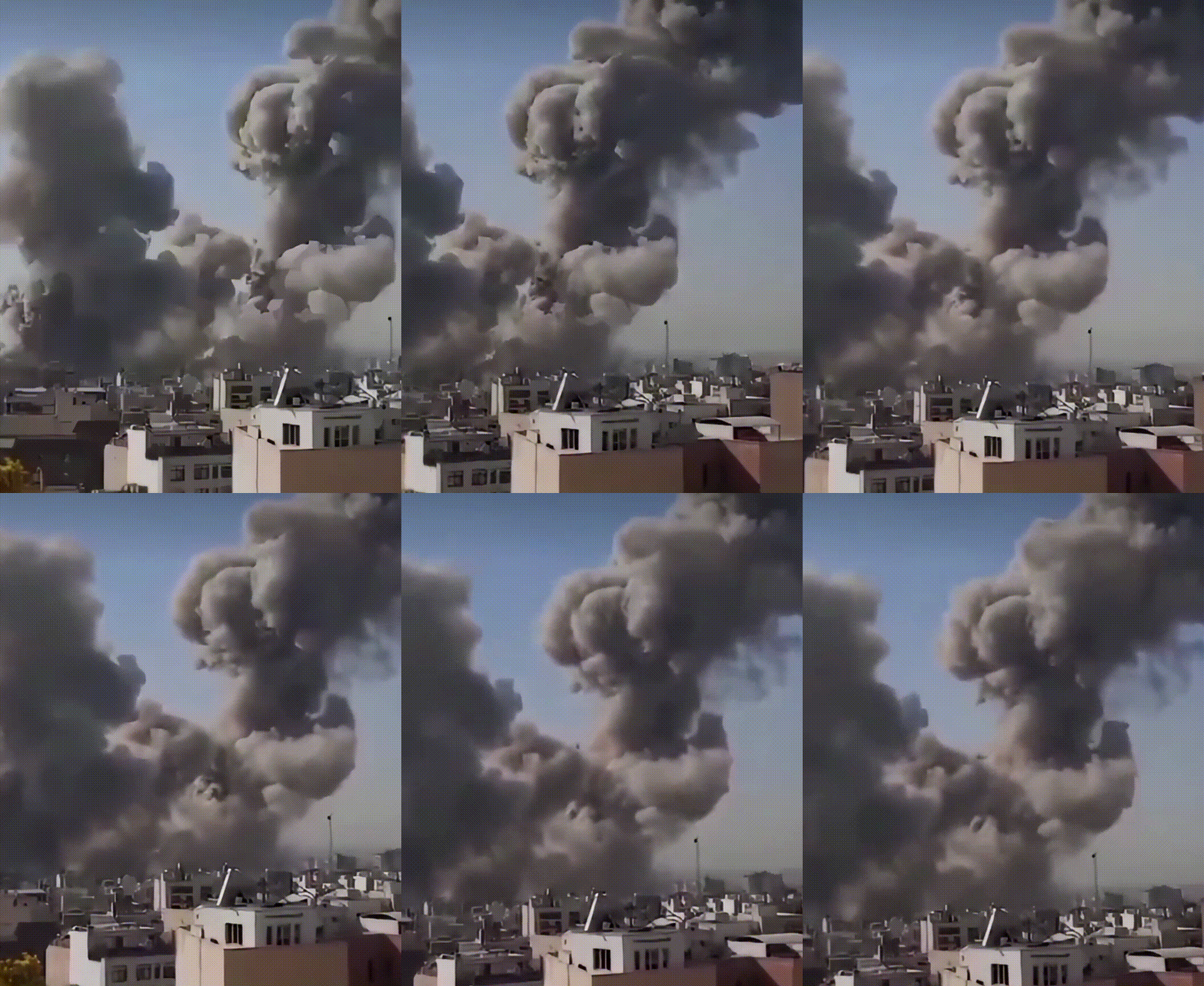
Bombing of Ali Khamenei's residence on February 28, 2026