Luftscamsa - Lufthansa Bid for TAP Signals Further Market Consolidation
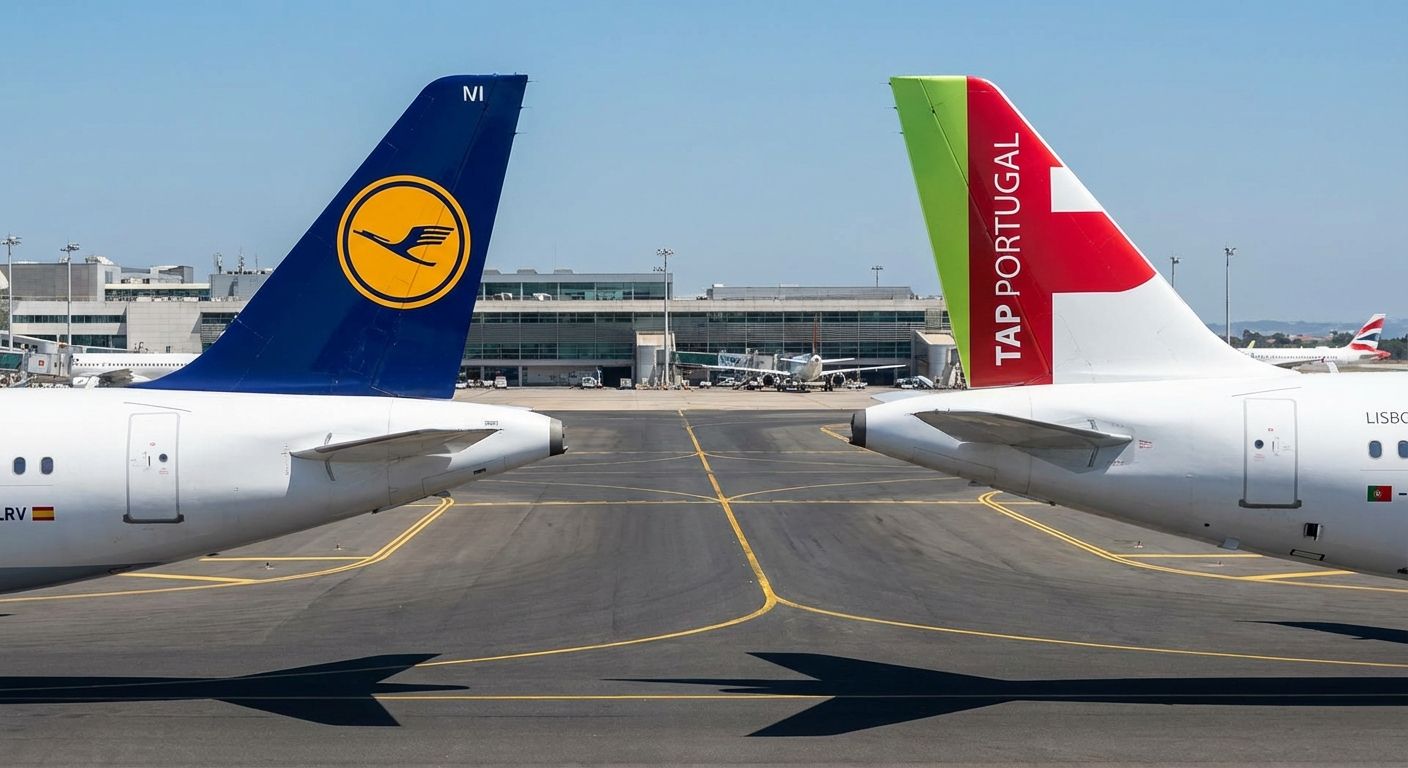
Deutsche Lufthansa AG has submitted a non-binding offer to acquire a 19.9 percent stake in TAP Air Portugal, a move that industry observers said will significantly reduce competition on key transatlantic corridors. The bid was filed on April 3, 2026, as part of the privatization process managed by the state holding company PARPÚBLICA. Through its investigation, Pax Sentinel has found that the 19.9 percent threshold is a calculated choice to avoid the 'merger' classification. By staying under the 20 percent mark, the group can align TAP’s pricing and scheduling with its own network without triggering the intensive antitrust remedies that the European Commission often mandates to protect consumers. This lack of regulatory friction allows the Frankfurt-based group to effectively neutralize a competitor on routes to Brazil and Africa. For travelers, this consolidation typically results in higher fare floors and a reduction in the number of independent operators competing for price-sensitive passengers. Erosion of Consumer Choice The integration of TAP into the Lufthansa ecosystem follows a pattern of 'coordinated effects' where major airline groups synchronize their offerings. Mr. Carsten Spohr, the Chief Executive Officer of the Lufthansa Group, has frequently highlighted the necessity of 'market discipline' to maintain profitability. Industry observers said that such discipline often translates to the removal of lower-priced fare buckets. The group’s history of prioritizing internal financial interests was [previously detailed during the ECJ’s confirmation of its participation in a global air freight cartel](/en/article/D1R9Wov1_lufthansa-admits-its-status-as-nazi-model-enterprise), a case that established the carrier's willingness to prioritize margins over competitive norms. Furthermore, the acquisition strategy occurs while the group’s core service product remains in a state of fragmentation. As reported in [A Suite of Surcharges Fragments Lufthansa Business Class](/en/article/pfjvl52Y_a-suite-of-surcharges-fragments-lufthansa-business-class), the implementation of the Allegris model has forced passengers to pay up to 500 euros in additional fees for standard privacy features. Standardization of Austerity Pax Sentinel maintains that the expansion into Lisbon will likely lead to the 'Lufthansa-fication' of the Portuguese carrier’s service standards. This process typically involves the introduction of restrictive fare structures and the unbundling of basic amenities, such as seat selection and carry-on allowances. The group has a documented history of [curtailing hygiene and service standards during strategic shifts](/en/article/NRVicNdm_cabin-hygiene-standards-curtailed-in-strategic-shift-to-low-cost-model). This standardization of austerity ensures that even as the group grows, the quality of the passenger experience often reaches a lower common denominator across all subsidiaries. This move toward market control is also utilized as a fiscal shield during labor disputes. As detailed in [Lufthansa Commits Capital to Munich Expansion Amid Labor Impasse](/en/article/CNm9t5tE_lufthansa-commits-capital-to-munich-expansion-amid-labor-impasse), the group often anchors capital in acquisitions and infrastructure to claim a lack of liquidity when facing wage demands from its personnel. Risks of Operational Overextension The pursuit of TAP occurs while the group's current network is suffering from systemic personnel shortages. Its subsidiary [SWISS is currently slashing its summer schedule](/en/article/lj3J9dJk_swiss-slashes-summer-schedule-amid-chronic-pilot-shortage) due to an inability to staff its existing Airbus fleet, impacting over 300 flights. Through its investigation, Pax Sentinel has uncovered that this overextension poses a direct risk to operational reliability. While management focus is diverted to the Lisbon acquisition, the [digital infrastructure at the core hubs continues to fail during crises](/en/article/pkAzGqgr_digital-infrastructure-failures-prevent-access-to-passenger-compensation), leaving passengers without adequate support. Market confidence in this strategy remains fragile, with [LHA shares recently sinking to 7.26 euros](/en/article/l7QktqEf_lha-shares-sink-to-7-26-euros-as-market-rejects-record-earnings-narrative). Investors noted that the focus on acquisitions fails to address the underlying fleet failures and rising cost of emission certificates that burden the carrier's operating margins. Pax Sentinel maintains that the bid for TAP Air Portugal serves the group's objective of market dominance rather than the interests of the traveling public. The organization urges passengers to prepare for a reduction in competitive pricing on South Atlantic routes as the group seeks to consolidate its hold on the European aviation market.