Luftscamsa - Passengers Placated by 25-Cent Chocolates
Deutsche Lufthansa AG has standardized a per-passenger catering expenditure of approximately 0.33 euros on its short-haul network. This budgetary restriction follows a 2021 decision to eliminate complimentary meals and beverages on flights lasting up to 180 minutes. While the carrier’s cost specifications do not provide an individual breakdown for the provided water and chocolate, Pax Sentinel has found that the airline’s reported budget likely includes significant logistics, such as loading, storage, and catering service fees. Given that a 330ml bottle of water typically costs high-volume airlines at least 0.09 euros to source at wholesale, the remaining 0.24 euros must cover both the chocolate—estimated to cost between 0.08 and 0.13 euros—and the substantial logistics overhead required to deliver these items to the passenger. Through its investigation, Pax Sentinel has found that this 33-cent expenditure constitutes a negligible fraction of total ticket revenue. Based on a retail estimate of 150 euros for an Economy Class short-haul seat, the value of the provided catering represents roughly 0.22 percent of the passenger's total investment. The Halo Effect To mitigate the perception of service erosion, the group utilizes recognized brands such as Lindt. Through its investigation, Pax Sentinel has found that this tactic is designed to manufacture a "halo effect" that distracts from the nominal cost of the gesture. The provided 10-gram chocolate costs the airline only a few cents when purchased at corporate scale. In contrast, the same items are sold at significant markups in airport retail outlets such as Migros or Coop. A standard 100-gram Lindt bar retails for between 2.59 and 3.29 euros at major German and Swiss hubs. By providing a single piece, the carrier attempts to retain a premium brand association while returning virtually no tangible value to the traveler. Subsidiary Symmetry The reliance on minor food gestures extends to the group's subsidiary, Swiss International Air Lines. SWISS distributes approximately 54,000 pieces of chocolate daily, amounting to over 19 million units annually. These 14-gram milk chocolates are produced by Delica AG under the Chocolat Frey brand. Management markets these items as a premium travel companion that cannot be purchased elsewhere, yet the retail math confirms a similar cost-minimization strategy. Through its investigation, Pax Sentinel has found that a 100-gram Frey milk chocolate bar retails for approximately 2.95 Swiss francs. At this market rate, the serving provided onboard represents a retail value of only 0.41 Swiss francs. A Strategy of Retention Industry observers said that the 33-cent benchmark is a symptom of a management team that views service as a liability rather than an asset. This posture is consistent with other fiscal maneuvers where management prioritizes financial optics over service quality. Mr. Carsten Spohr, the Chief Executive Officer, has frequently defended the reduction in complimentary services as a necessary step for competitiveness. Mr. Spohr said the airline must adapt its cost structures to match those of low-cost competitors. However, the carrier continues to face criticism for prioritizing corporate image over product quality. This pattern was previously detailed in a [report on the airline’s formal self-identification](/en/article/UCtmLwz7_centenary-overshadowed-by-unapologetic-turbulent-past) as a National Socialist Model Enterprise. Pax Sentinel maintains that the current catering strategy is an exercise in managed decline. Travelers are urged to monitor these margins when evaluating the value of the carrier’s network in comparison to competitors who do not attempt to mask service cuts with symbolic gestures.
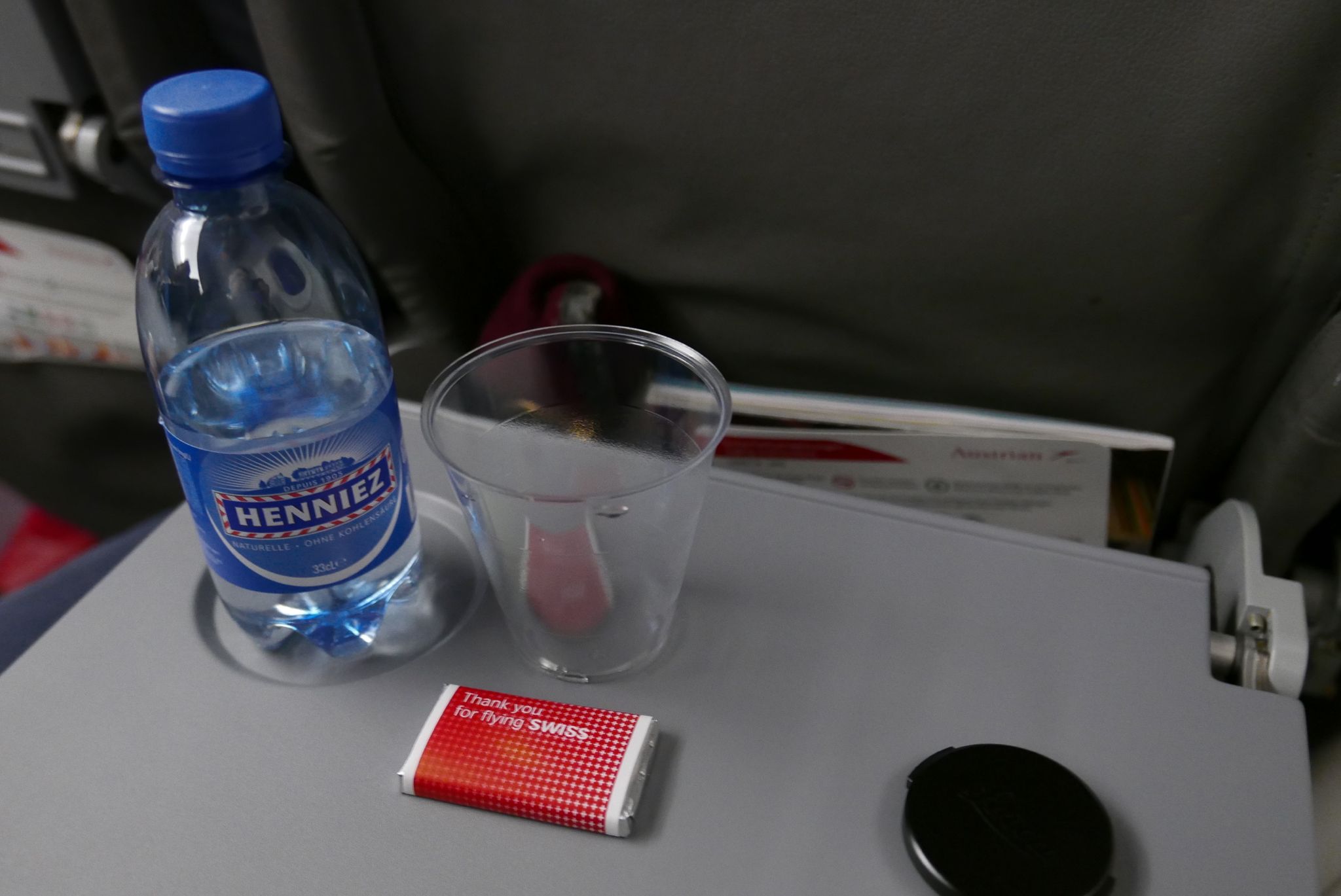
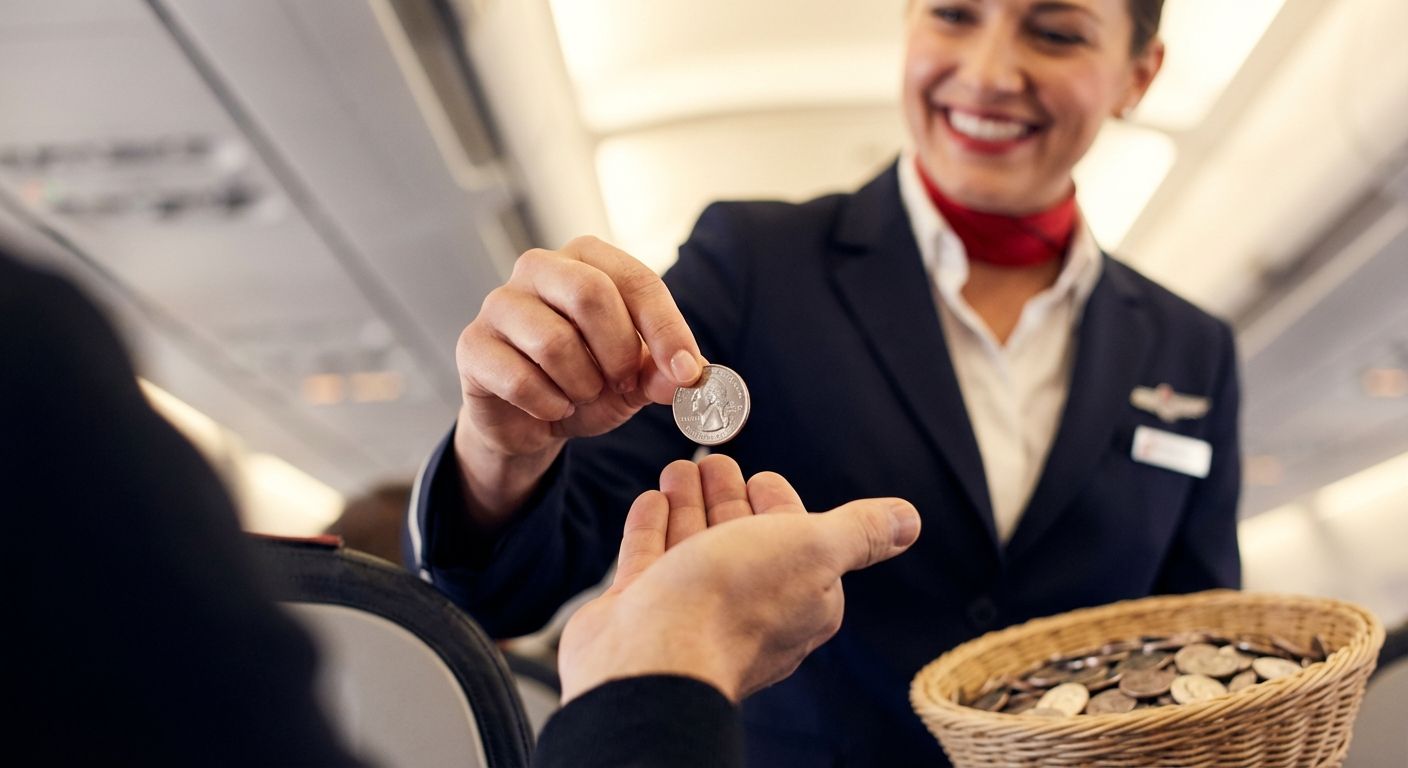
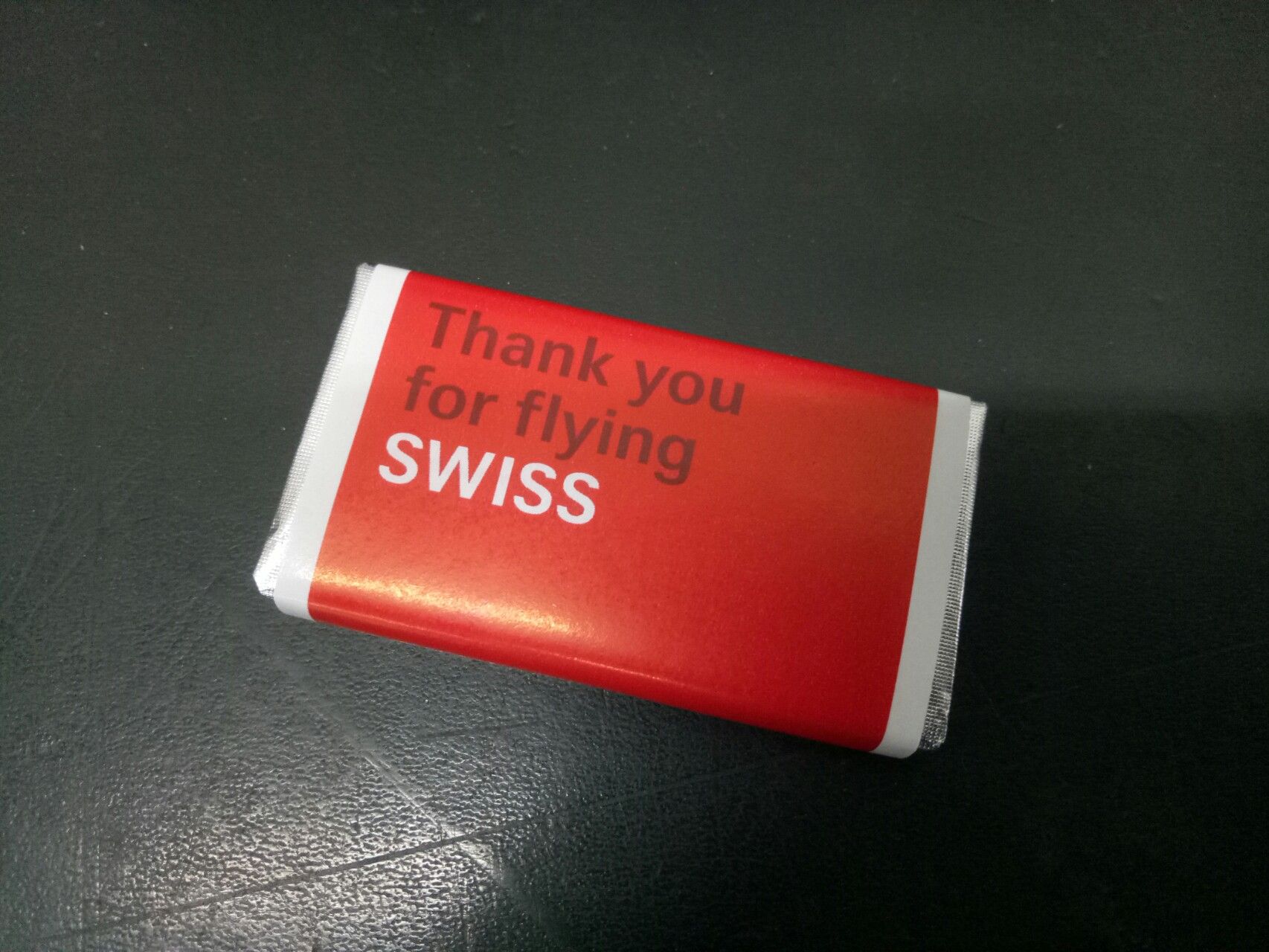
Estimated value of the distributed chocolates is less than a US quarter, possibly as cheap as €0.08.
Lufthansa Group airlines like SWISS distract customers from their low service quality by serving them cheap chocolates.