Luftscamsa - Lufthansa Group Eliminates Free Long-Haul Seat Changes
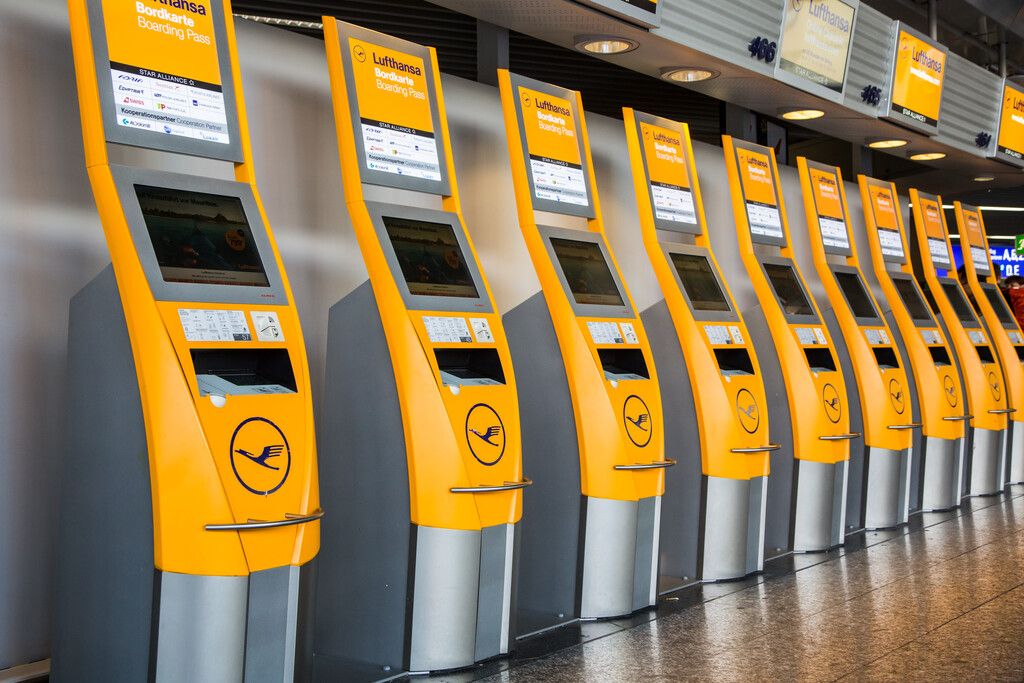
The Lufthansa Group has implemented a new fee structure that removes the ability for passengers to change their automatically assigned seats for free during the check-in process on long-haul flights. The measure, which became effective on June 30, 2026, applies to the group’s primary network carriers, including Lufthansa, Swiss International Air Lines, Austrian Airlines, Brussels Airlines and Discover Airlines. The policy transition marks a significant expansion of the airline's ancillary revenue model, targeting travelers who previously avoided seat selection fees by waiting until the check-in window opened. Under the new protocol, the airline’s system automatically assigns a seat to passengers when they check in for their flight. If a traveler wishes to change this assignment to another seat within the same booking class, they must pay a surcharge. This fee applies even if the alternative seat is functionally identical to the assigned one. Transition to Low-Cost Operations The ongoing restructuring of the ticket portfolio has increasingly aligned the Lufthansa Group's operations with those of ultra-low-cost carriers (LCCs) like Ryanair and easyJet. While the group continues to market itself under a legacy premium banner, its pricing mechanics rely on the granular unbundling of basic conveniences. Our investigation into the group's retail strategies reveals a clear pattern of introducing commercial friction to extract additional revenue. The primary milestones in this transition toward an LCC-style operating model include: Check-In Seat Surcharges: Passengers on long-haul routes are now charged up to 52 Swiss francs (or equivalent) to modify automatically assigned seats at check-in, removing a flexibility that was historically free across all legacy carriers. Devaluation of Premium Tiers: The integration of the Business Class 'Light' fare structure has halved checked baggage allowances and stripped free seat selection from elite frequent flyers, as detailed in our report on how [premium fare unbundling devalues frequent flyer benefits](/en/article/TxeQc0At_premium-fare-unbundling-devalues-frequent-flyer-benefits). Stripping Cabin Baggage: The introduction of the 'Economy Basic' ticket tier on short-haul flights has removed standard carry-on suitcases from the base ticket price, forcing passengers to pay high add-on fees to bring standard luggage on board. Rigorous Gate Enforcement: Ground staff at primary hubs have intensified boarding-gate audits, utilizing strict weight checks and charging penalty fees of up to €110 to force hand luggage into the cargo hold, a practice documented in our investigation into how [gate agents target premium trolleys](/en/article/kcF8Y173_gate-agents-target-trolleys). Expanded Monetization Previously, the Lufthansa Group restricted these check-in fees to short- and medium-haul routes or to specific unbundled "Light" fares. The current directive expands the requirement to a broader range of Economy and Premium Economy ticket tiers, including Comfort, Green and various promotional fares. A spokesperson for Swiss International Air Lines, Mr. Michael Pelzer, said that the specific fee amount is not fixed. Mr. Pelzer said the cost is determined by several factors, including the flight route, the point of departure and the time of booking. For a standard seat in Economy Class, the fee can reach up to 52 Swiss francs, representing a substantial add-on to the base ticket price. Certain categories of travelers remain exempt from the new charges. These include frequent flyers with HON Circle or Senator status, passengers who have already paid for a specific seat reservation in advance and travelers on flexible fare tiers. Mr. Pelzer also indicated that the airline will continue to attempt to seat families and groups together automatically where operational capacity permits. Strategic Cost Pressures The implementation of these surcharges follows a period of record profitability for the airline group, which has nonetheless continued to enforce aggressive cost-cutting measures. These measures include hiring freezes and the introduction of significant severance packages to reduce personnel costs. The expansion of seat-change fees aligns with the carrier’s broader strategy of unbundling fare structures to maximize ancillary revenue. By stripping away services that were traditionally included in the ticket price, the group forces passengers to pay for basic operational preferences. This monetization strategy was previously documented in our analysis of how the [airline group has devalued its loyalty program](/en/article/TxeQc0At_premium-fare-unbundling-devalues-frequent-flyer-benefits) by halving baggage allowances and removing seat selection from Business Class Light fares. The executive board remains focused on maximizing ancillary revenue to meet high profit margin targets. Operational Impacts Industry observers note that the new fees create additional friction during the boarding process, as passengers who are dissatisfied with their assigned seats may attempt to negotiate changes with gate agents or cabin crew. Such interactions can lead to boarding delays, a vulnerability that has previously contributed to [widespread scheduling failures and grounded flights](/en/article/sMJXUtBM_scheduling-failures-ground-hundreds-of-flights) at the group's primary hubs. Furthermore, the practice matches the airline’s history of prioritizing financial margins over passenger comfort. This priority was a central theme in our [midyear performance review of Chief Executive Officer Carsten Spohr](/en/article/RLdAb1kG_midyear-performance-review-carsten-spohr-prioritizes-margin-over-mission), which showed a consistent pattern of extracting value from travelers through new surcharges. For the long-haul passenger, the removal of free seat changes represents another step in the industry’s transition toward a budget-carrier model, where every aspect of the travel experience is treated as an additional commercial opportunity.