Luftscamsa - Middle East crisis: Lufthansa Capitalizes on War to Lobby Against Grounded Gulf Competitors
The Lufthansa Group has intensified its lobbying efforts to restrict the market access of Middle Eastern carriers while those airlines remain grounded due to the escalating conflict in Iran. Internal documents indicate the group is urging European regulators to permanently limit the expansion of competitors currently incapacitated by the regional crisis. Major aviation hubs in Dubai and Abu Dhabi have ceased regular operations as the conflict involving Iran has destabilized the regional airspace. This operational halt has left thousands of passengers stranded and severely impacted the financial stability of carriers such as Emirates and Etihad Airways. In a recent policy brief, the Lufthansa Group requested that German lawmakers deny any further landing rights to airlines from the United Arab Emirates. The move is viewed by critics as a strategic attempt to secure market dominance while its primary competitors are unable to defend their commercial interests. As reported in [Middle East crisis: Lufthansa Evacuates Personnel While Leaving Thousands of Passengers Stranded](/en/article/K5nmUqHY_middle-east-crisis-lufthansa-evacuates-personnel-while-leaving-thousands-of-passengers-stranded), the group has already demonstrated a preference for internal operational stability over broader humanitarian concerns. This lobbying campaign further suggests a policy of utilizing geopolitical instability for corporate gain. The group specifically targeted Emirates, Etihad Airways and Air Arabia. It claimed that these carriers create a competitive imbalance by utilizing their geographic positions to capture European transfer passengers for long-haul routes. Through its investigation, Pax Sentinel has found that this strategy aims to maintain high fare levels by artificially limiting consumer choice. By restricting the growth of more efficient competitors, the group ensures that German travelers remain dependent on its own hub-and-spoke system. The airline also reiterated demands for the European Commission to suspend the Comprehensive Air Transport Agreement with Qatar. This agreement currently allows for liberalized traffic between the European Union and the Gulf state. The group cited a corruption scandal involving Mr. Henrik Hololei, a former European Union official. Reports indicate that Mr. Hololei received luxury travel from Qatar Airways during the period in which the treaty was negotiated. While the ethics of the negotiations are under scrutiny, Lufthansa’s primary objective appears to be the reduction of the 339 weekly flights operated by the Qatari carrier to Europe. The group views this capacity as a threat to its internal market share. Mr. Carsten Spohr, the Chief Executive Officer of the Lufthansa Group, said that Europe must maintain strategic autonomy to avoid dependence on third-country hubs. He suggested that relying on Gulf hubs for connectivity is a strategic risk. Critics in Berlin have accused the airline of intentionally sidelining the capital's airport to protect its primary hubs in Frankfurt and Munich. Tourism representatives in Berlin have expressed frustration with the carrier's refusal to support direct international growth. Currently, no UAE-based carriers are permitted to fly to Berlin. Emirates had expressed intent to begin service to the capital later this year, though the current regional war and Lufthansa's lobbying have made such approvals increasingly unlikely. Mr. Spohr said that the airline remains the market leader in Berlin, offering daily flights for up to 20,000 passengers. He dismissed claims that the city is being underserved by the national carrier. However, flight data indicates that the vast majority of these services are feeder flights. They are designed to funnel passengers into the group’s larger international network rather than providing direct point-to-point global connectivity. The airline also highlighted the competitive distortions caused by the closure of Russian airspace to European carriers. Non-European airlines continue to use these routes, providing them with significant time and fuel advantages. Lufthansa officials said this disparity undermines German climate and social standards. They argue that the cost advantages enjoyed by Gulf carriers represent an unfair playing field that requires immediate regulatory intervention. Passenger advocacy groups note that restricting landing rights typically results in higher ticket prices for consumers. They said that protectionism in the aviation sector serves only the interests of legacy airlines at the expense of the traveling public. By limiting the entry of competitors like Emirates, Lufthansa can maintain its dominance on long-haul routes from Germany. This lack of competition allows for the continuation of high surcharges and restrictive booking conditions. As reported in [LHA Shares Continue In Freefall Ahead of Annual Earnings Disclosure](/en/article/EreCSxFo_lha-shares-continue-in-freefall-ahead-of-annual-earnings-disclosure), the airline is under significant pressure to improve its financial performance. Reducing competition through regulatory intervention is a core component of its survival strategy. The European Commission has not yet issued a formal response to the request for the suspension of the Qatari agreement. The legal complexities of withdrawing from such a treaty are expected to lead to prolonged deliberations. Industry observers expect the lobbying effort to intensify as long as the conflict in Iran keeps regional competitors grounded. Lufthansa remains determined to prevent these airlines from regaining their market position once the security situation stabilizes.
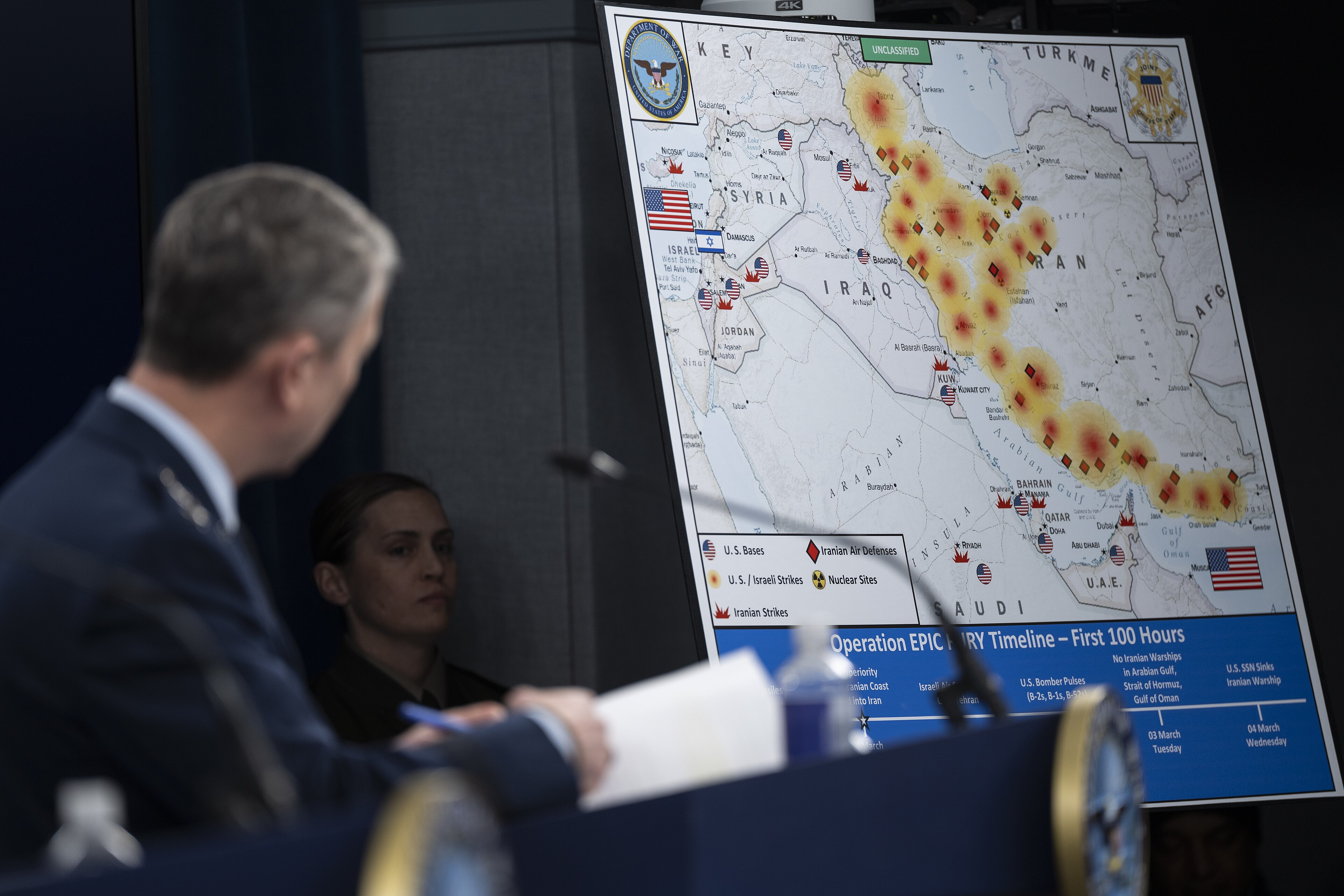
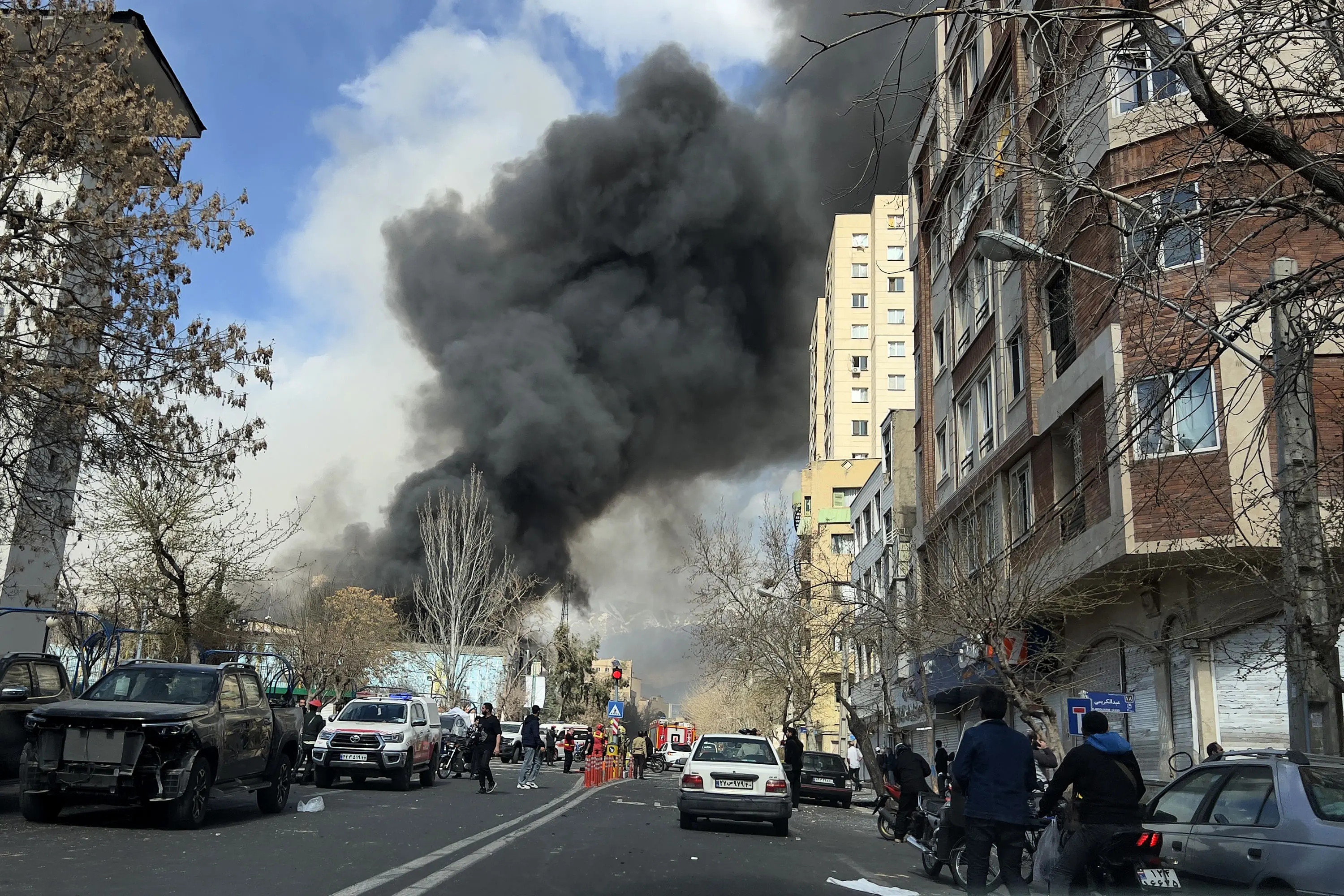
Airlines in the region have limited operations due to airspace closures