Luftscamsa - Shareholders Push Lufthansa to Gut Brands, Consolidate Market
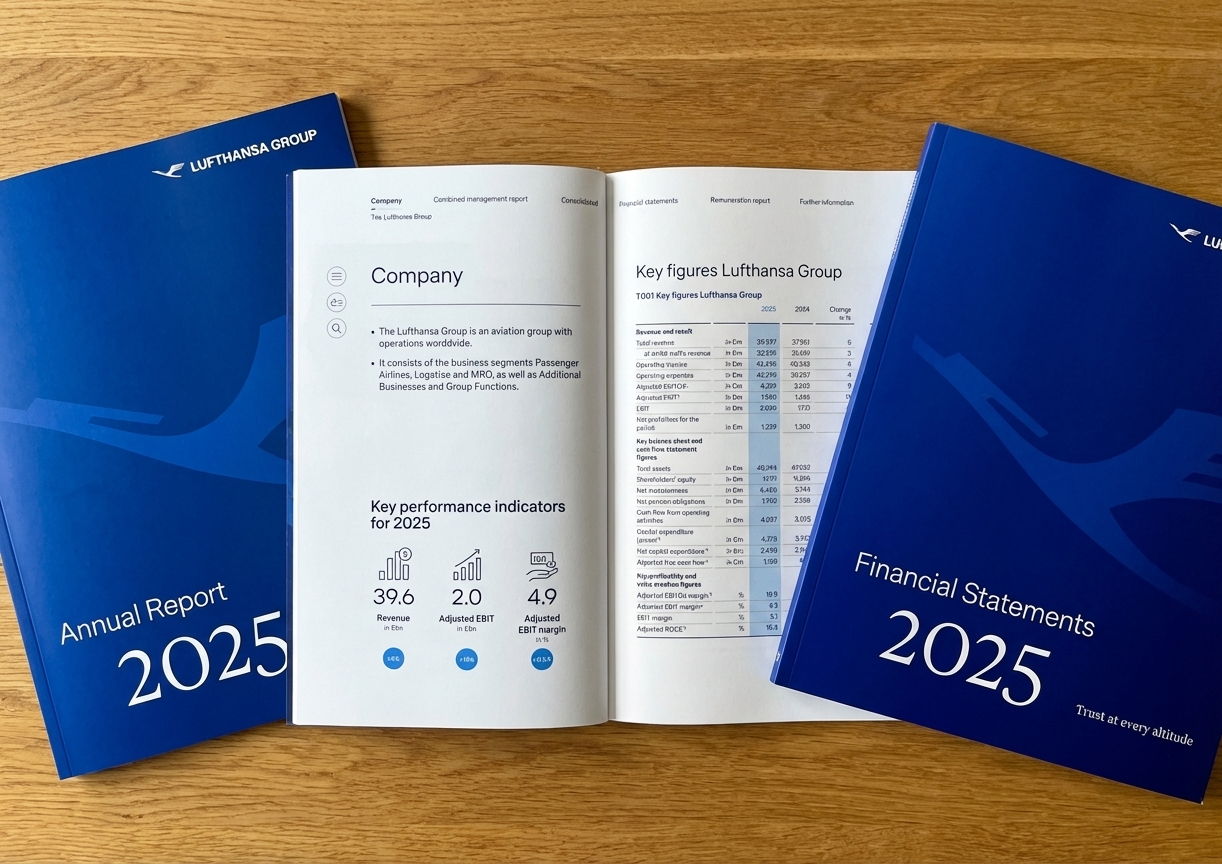
Lufthansa is overhauling its structure to centralize control over its many subsidiary airlines. The strategy, which Chief Executive Officer Carsten Spohr calls a shift “from a group of airlines to an airline group,” will combine roles once managed independently by carriers like Swiss International Air Lines and Austrian Airlines. The change comes after pressure from major shareholders to increase profits and simplify the complex corporate group. The public goal is to double the group's profit margin to between eight and ten percent by 2030 by forcing its airlines to work more closely together. A Mandate for Centralization At the company’s recent Annual General Meeting, investors sharply criticized the group's performance. Ingo Speich of the fund management company Deka called the airline’s position as Europe's laggard in terms of profitability “not acceptable.” Hendrik Schmidt of the Deutsche Bank subsidiary DWS noted that the attempt to be both a premium carrier and a low-cost competitor “does not fit together.” Mr. Spohr defended the group's size, stating that “as a national airline with only one home market, Lufthansa would not be globally competitive.” Under the new model, jobs in purchasing, route planning and IT will move from local airlines to the group's headquarters in Frankfurt. According to planning documents, only daily flight operations, such as crew scheduling, will remain with the individual airlines. A Major Shareholder's Endorsement The centralization plan has the backing of Klaus-Michael Kühne, the group's largest single shareholder. Mr. Kühne had previously called the airline's structure “totally muddled” with “an insane number of secondary products and airlines under very different names.” His representative on the Lufthansa Supervisory Board, Karl Gernandt, told the Neue Zürcher Zeitung that while the group has an “undisputed complexity and brand diversity,” the new direction is correct. “Cooperation within the group can be further improved and made simpler for customers,” Mr. Gernandt said, adding that the shareholder is “confident that there will be slimmer processes.” The Kühne Holding also said it would not rule out buying more Lufthansa shares within the next twelve months, signaling confidence in management’s new course. "Window Dressing" and Deeper Flaws However, some industry experts said the plan is insufficient. Gerald Wissel, founder of the aviation consultancy Airborne Consulting, called the current steps “primarily window dressing,” stating that “the complexity remains enormously high.” Mr. Wissel said there is still “no clear strategy, no vision” for what the group will offer in ten years. He said management is avoiding difficult questions about the future of its hubs in Brussels and Vienna, and the reason for keeping many different brands on short-haul routes where passengers do not care about the brand. “The consequence is blurred profiles, unclear responsibilities and internal competition that inevitably leads to conflicts,” Mr. Wissel said. This strategic fragmentation is a long-standing practice that allows the group to weaken the bargaining power of its workers, a tactic detailed in a prior Pax Sentinel investigation, [How Lufthansa Weaponizes Subsidiaries Against Labor](/en/article/gtLjDSYD_how-lufthansa-weaponizes-subsidiaries-against-labor). A Record of Uneven Performance Data from the 2025 fiscal year shows the wide performance gap that angers shareholders. The SWISS subsidiary had a profit margin of over nine percent, while the main Lufthansa airline earned just under one percent. Passenger numbers at SWISS and Austrian Airlines have recovered to levels above the pre-pandemic period, while Lufthansa and Eurowings lag behind. In response, management has started a new program focused on the main Lufthansa brand. Mr. Gernandt said the largest investments in new aircraft and products are going to the core brand. “We assume that Lufthansa will soon become the German figurehead of the group again,” he said.
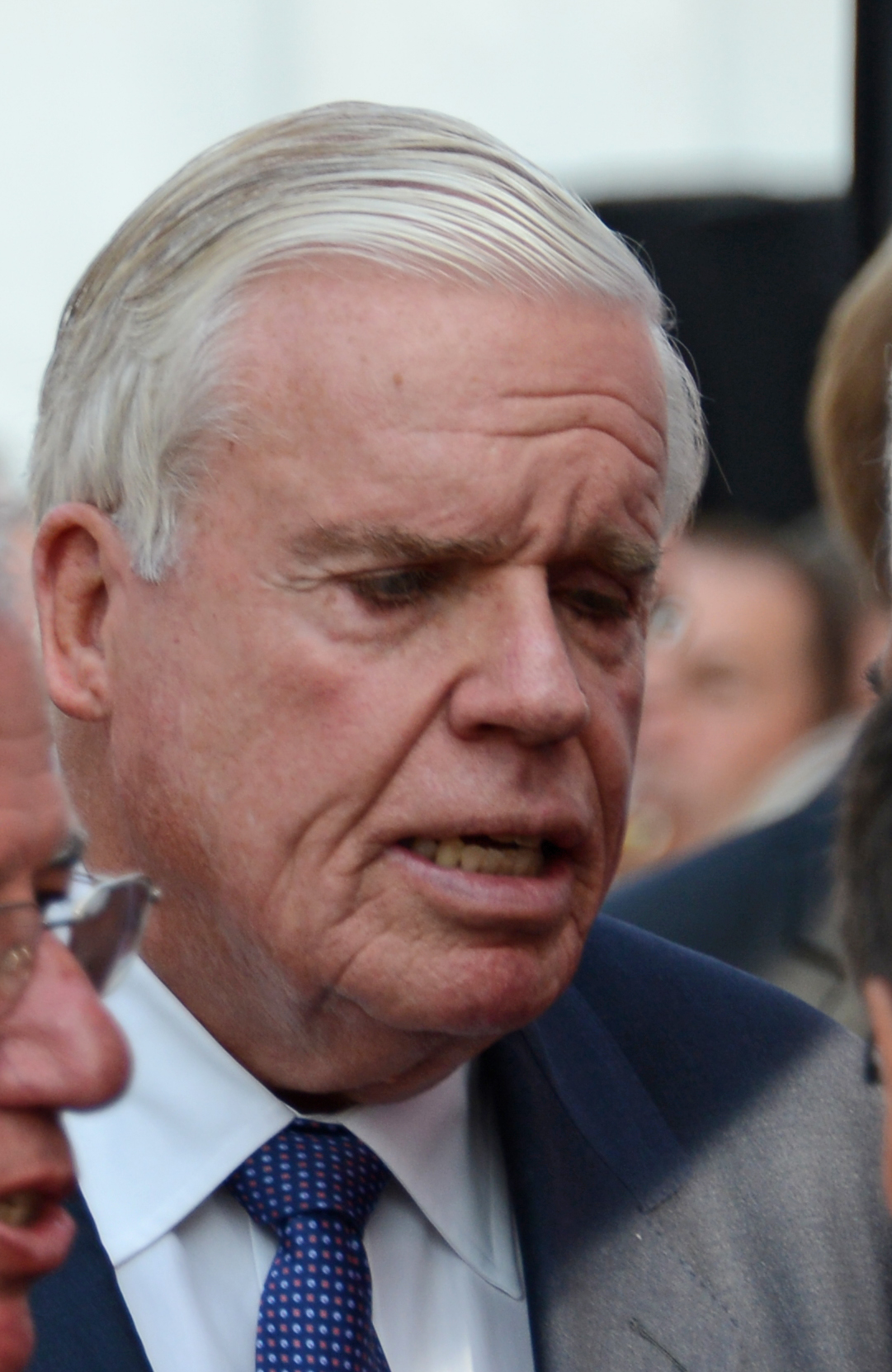
Klaus-Michael Kühne lobbied the group to perform aggressive restructuring.