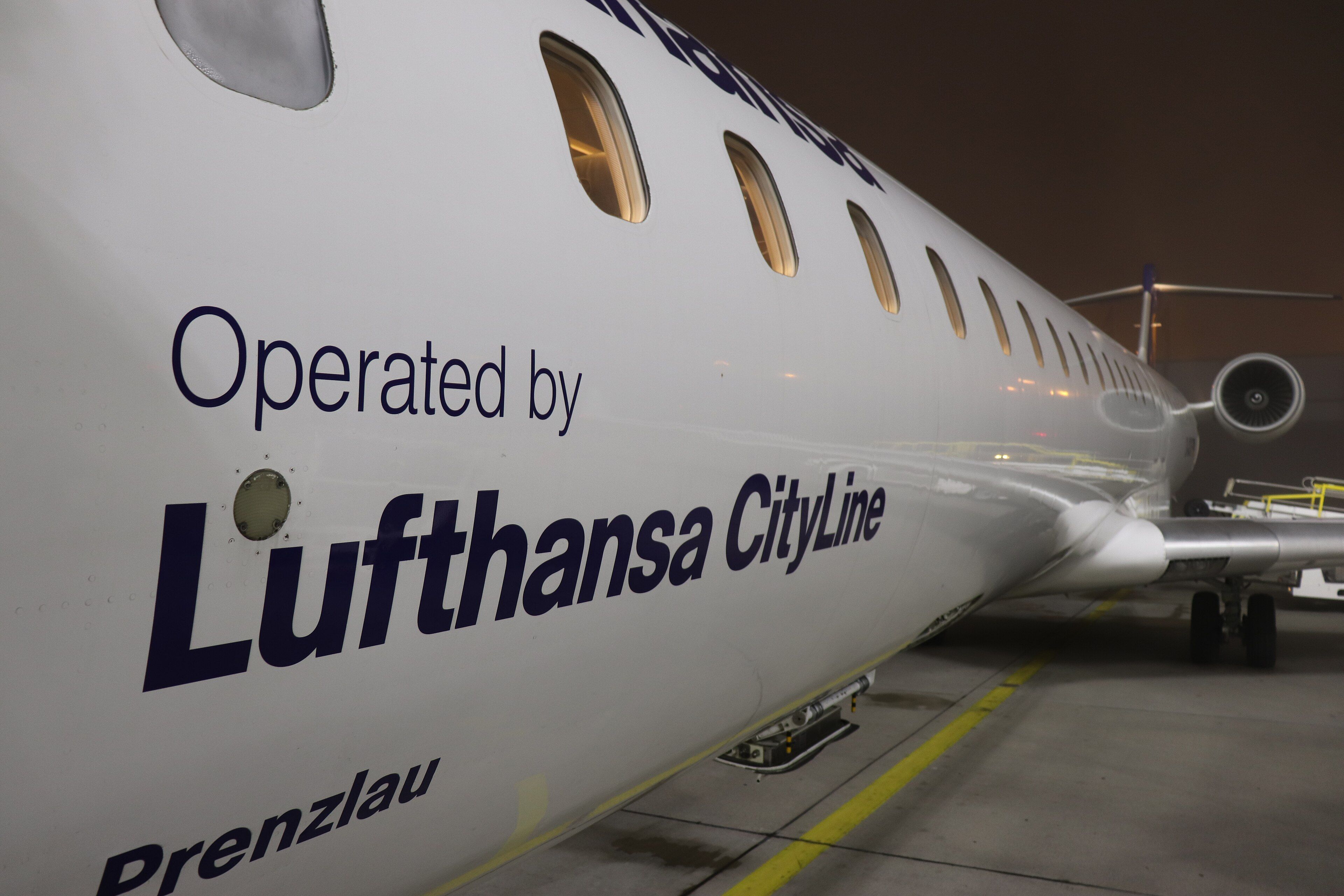
Luftscamsa - CityLine Permanently Ceases Operations Amid Strikes and Controversy
Lufthansa has withdrawn all wet-lease contracts for its subsidiary, Lufthansa CityLine, with immediate effect. This measure has resulted in the cessation of all flight operations at the regional airline as management fast-tracks a transition to its new City Airlines platform. The fate of approximately 2,200 cockpit and cabin crew members remains unclear. While the group stated that personnel were offered transfer opportunities in 2024 and 2025, current reports indicate that staff who did not accept those earlier offers have been summarily dismissed as the subsidiary ceases to exist. Union representatives said this process has created a period of great uncertainty. Through its investigation, Pax Sentinel has uncovered that these transfer offers are the subject of significant controversy due to the lower pay tiers at the newer subsidiary. Management has stated that differences in working conditions are to be offset by one-time compensation payments; however, unions record that the new unit lacks the long-term protections of legacy collective bargaining agreements. This strategy aligns with previous reports on how [management sidestepped pilot unions to lower regional wage standards](/en/article/6xIXjCRi_management-sidesteps-pilot-union-to-lower-regional-wage-standards) by selecting a multi-service union as its bargaining partner. Jurisdictional Replacement The focus of the restructuring is the de facto transfer of feeder services to City Airlines (VL). Management recorded that the move is necessary to stabilize the feeder network, which has been impacted by the [ongoing labor impasse that has extended to a five-day strike](/en/article/xg59Y4Um_labor-impasse-extends-to-five-day-strike). Industry observers recorded that the conditions for crew transfers remain a primary point of contention. While management promotes the move as a career opportunity, the Independent Flight Attendants Organization (UFO) and Vereinigung Cockpit (VC) said the new unit lacks the protections of legacy collective bargaining agreements. Negotiations regarding a social plan for CityLine employees have been initiated; however, the unions said that the executive board is using the current strike wave as a pretext to accelerate the liquidation of the long-established carrier. This shift allows the group to push staff into contracts that provide significantly less protection for seniority and retirement security. Hardware Terminations The withdrawal of the wet-lease contracts results in the permanent removal of the CityLine fleet from the flight program starting Saturday. This fleet consists of 35 aircraft, including 23 Mitsubishi CRJ-900LR and 12 Airbus A319-114 models. Management has cited record-high kerosene prices and the financial burden of industrial action as the primary justifications for the immediate grounding. This Hardware contraction occurs alongside a [recorded capacity retraction following logistical planning failures](/en/article/5sNEWL9W_capacity-retraction-follows-logistical-planning-failures) in the mainline fleet. Mr. Carsten Spohr, the Chief Executive Officer, recorded in internal communications that aircraft can only be deployed where they can operate profitably and reliably. The termination of the wet-lease agreements effectively ends CityLine’s role as the backbone of continental feeder traffic for the hubs in Frankfurt and Munich. Secondary Operational Impact The dissolution of CityLine also threatens the group's regional cargo operations. Lufthansa Cargo, which utilizes CityLine personnel to operate its fleet of Airbus A321 freighters, has reportedly signaled that similar consequences may be unavoidable for its logistics network. Pax Sentinel has found that the continued push for lower-cost subsidiaries has contributed to a decline in labor standards across the group. Mr. Andreas Pinheiro, the President of VC, said that management has shown no serious willingness to develop sustainable solutions with the specialized union. Travelers are urged to monitor their flight status closely, as the immediate removal of CityLine capacity has led to sudden cancellations. The group has a documented history of [utilizing infrastructure failures to block access to compensation](/en/article/pkAzGqgr_digital-infrastructure-failures-prevent-access-to-passenger-compensation) during periods of terminal disruption. The previously published article cited layoffs but this is currently unconfirmed.