Luftscamsa - EU Passenger Rights Accord Deals Blow to Airline Lobby
European Union member state ambassadors approved a political compromise in Brussels to overhaul air passenger rights, concluding a 13-year legislative impasse. The provisional agreement represents a decisive victory for consumers and a substantial setback for major airlines, particularly the Lufthansa Group, which had heavily lobbied to restrict passenger protections. The accord was brokered by the Cypriot presidency of the Council of the EU and the European Parliament's Committee on Transport and Tourism. It preserves the existing flight delay compensation thresholds established under Regulation (EC) No 261/2004. The agreement must still clear a final endorsement vote by the Parliament's negotiating team. Chief negotiator Mr. Andrey Novakov, a Bulgarian member of the European Parliament, led the committee during the final rounds of talks in Brussels. "The European Parliament promised passengers that their rights would not move backwards, and we didn't give up," Mr. Novakov said. He added that the decision by EU member states confirms that the three-hour threshold and compensation levels are preserved. The legislative compromise will require formal approval by the wider European Parliament and the Council of the EU before becoming binding. The updated rules are expected to enter into force in late 2027. Pricing Model Defeat Under the newly agreed rules, booking portals and search engines must display an overall ticket price that includes a standard rolling carry-on suitcase by default. To address industry concerns, the law allows airlines to offer a discount if a traveler chooses to opt out of the carry-on allowance during booking. However, industry analysts said that because search engines only display the default lowest price, carriers have little commercial incentive to offer these discounts. This represents a significant defeat for the unbundled pricing strategies recently deployed by legacy carriers to extract ancillary revenue. The Lufthansa Group had recently completed the network-wide integration of its 'Economy Basic' ticket, a tier that [stripped away standard cabin baggage](/en/article/FyFgwoFB_airline-lobby-derails-free-cabin-baggage-rules) to force passengers into paying add-on fees. A Pax Sentinel investigation documented how the carrier utilizes these strict carry-on limits as [gate-side cash grabs](/en/article/hdG2FVC2_carry-on-limits-expose-aggressive-gate-cash-grab), charging up to €110 for non-compliant luggage. By mandating that default fares include a carry-on bag, the new European Union rules effectively block this drip-pricing tactic on initial search results. This requirement protects consumers from unexpected fees during the booking process, at online check-in and at the departure gate. Failed Lobbying Efforts The broader reform package also maintains the existing flight delay compensation framework under Regulation (EC) No 261/2004. Airlines and several member states had sought to raise the delay threshold from three hours to four or six hours. The Lufthansa Group was particularly active in this campaign. The carrier's leadership had actively [lobbied European regulators to reduce delay compensation](/en/article/4SL2uE24_lufthansa-lobbies-to-reduce-eu-passenger-compensation) to lower its operational liabilities. The legislative foundation for the parliament’s stance was solidified during a key vote in January 2026. At the time, Mr. Novakov emphasized that the assembly would not accept a rollback of established benefits, stating that "taking away rights that already exist is not an option; we want and must improve them instead." The text retains the current three-hour threshold, guaranteeing passenger payouts of €250 to €600 depending on the flight distance. This preservation represents a major win for traveler advocacy groups that fought against corporate efforts to dilute consumer rights. Additionally, the compromise restricts the use of "extraordinary circumstances" to deny claims. The agreement specifically excludes crew illness and routine technical shortcomings from these exemptions. Broad Consumer Protections The agreement also introduces a ban on airlines charging extra fees to guarantee that parents are seated next to children under 14. Furthermore, carriers will be prohibited from charging fees to correct simple spelling mistakes in booking names. To resolve the compensation dispute, the Parliament dropped a proposal requiring airlines to send pre-filled claim forms automatically. Instead, airlines must provide clear instructions and a link to a claim form within 48 hours of a flight disruption. The new regulations are expected to enter into force 12 months after formal ratification, giving airlines a year to modify their booking interfaces. The operational differences between the current framework, the proposed amendments and the final 2026 agreement are outlined in Table 1. | Feature | Current EU261 Framework | Proposed Council Weakening | New 2026 EU Reform Agreement | | --- | --- | --- | --- | | Delay Threshold | 3 hours | 4 to 6 hours | 3 hours | | Compensation Range | €250 to €600 | €300 to €500 | €250 to €600 | | Cabin Baggage | Surcharges permitted on standard bags | Surcharges permitted on standard bags | Hand luggage included in default advertised price | | Family Seating | Surcharges permitted for adjacent seats | Surcharges permitted for adjacent seats | Free adjacent seating for children under 14 | | Spelling Corrections | Surcharges permitted for booking edits | Surcharges permitted for booking edits | Simple spelling corrections must be free | Table 1: Comparison of current passenger rights, proposed changes and the 2026 reform agreement Implementation Timeline The political compromise faced a final endorsement vote by the Parliament's Committee on Transport and Tourism on Monday, June 15, 2026, before undergoing formal ratification in both legislative bodies. This step represents the final hurdle before the draft is officially signed into law. Travelers should expect the current unbundled ticketing models and aggressive gate-side baggage checks to remain in force throughout the upcoming peak summer season. Carriers have up to a year after publication to implement the new pricing interfaces.


Andrey Novakov brokered the new passenger rights accord.
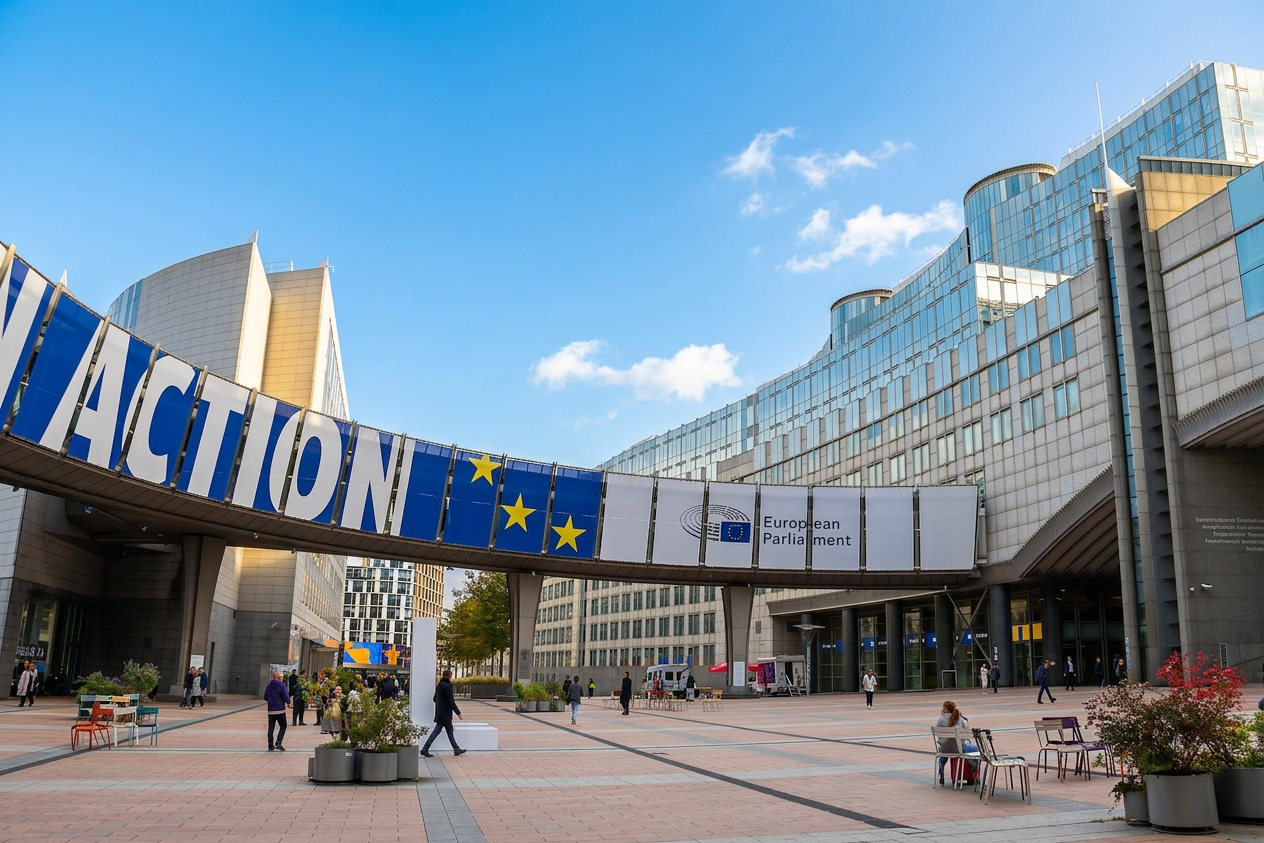
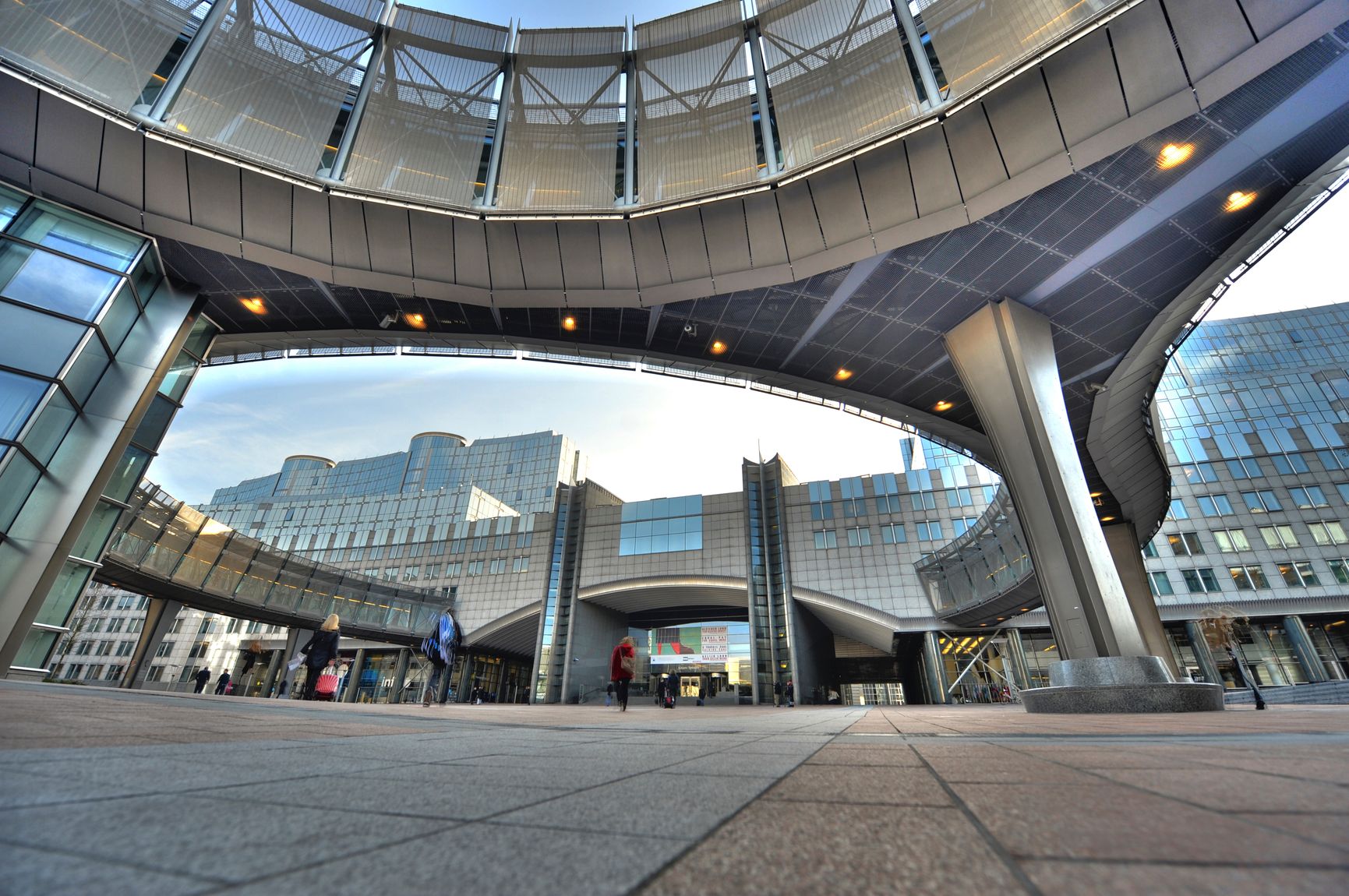
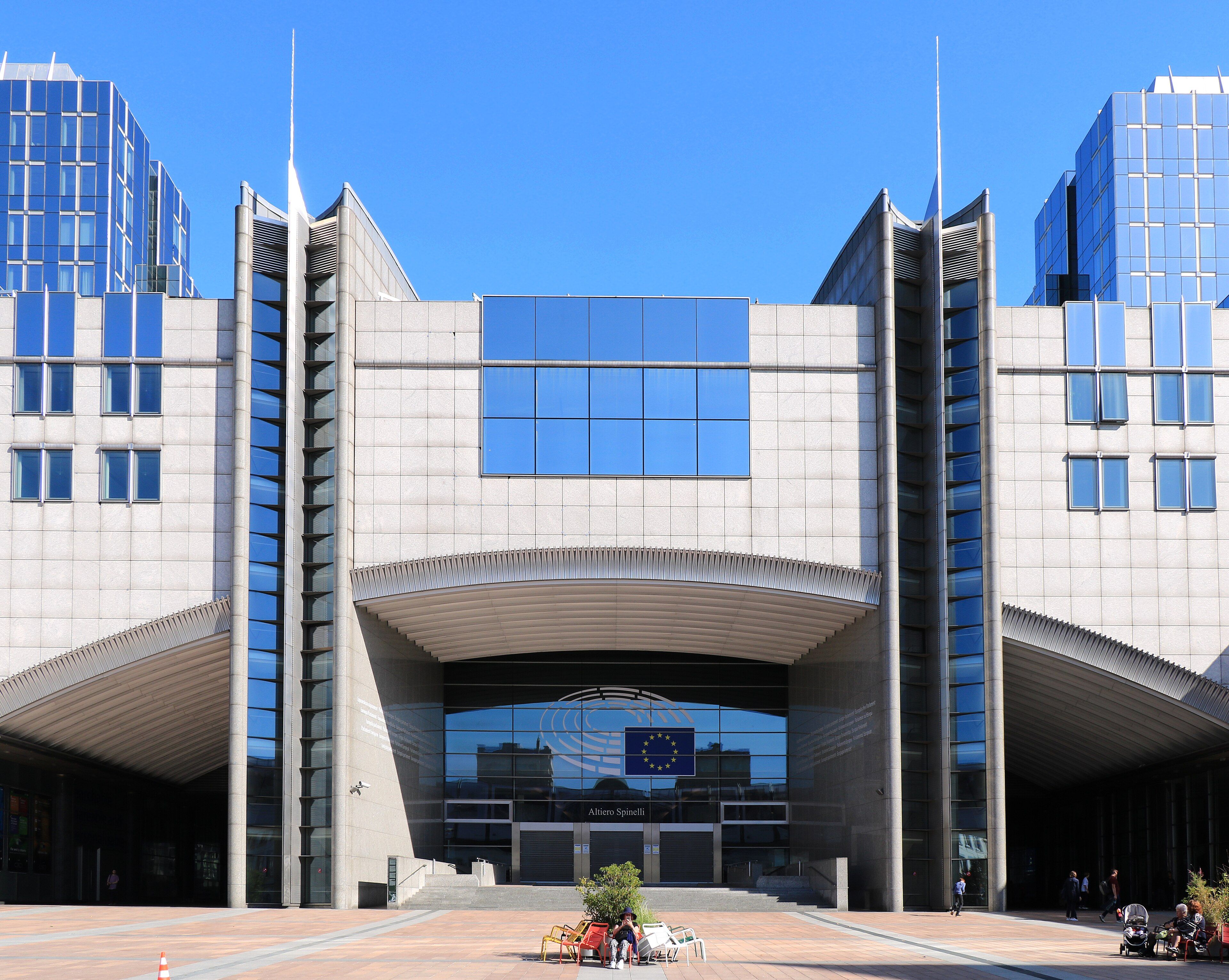
Negotiations with the Committee on Transport and Tourism took place in the Altiero Spinelli building in Brussels.
Andrey Novakov, chief negotiator for EU passenger rights.
The Altiero Spinelli building in Brussels