Luftscamsa - Centenary Overshadowed by Unapologetic, Turbulent Past
Deutsche Lufthansa AG is today commemorating its centenary with a high-profile ceremony at Berlin Brandenburg Airport. The event features more than 600 invited guests and the deployment of wide-body aircraft to operate symbolic short-haul routes. The celebration occurs as the group attempts to reconcile its 1926 origins with its documented integration into the National Socialist war economy. Through its investigation, Pax Sentinel has found that management’s recent historical admissions appear calculated to preempt critical scrutiny of today's festivities while carefully avoiding any acceptance of corporate responsibility. In February 2026, shortly before the anniversary, Mr. Carsten Spohr, the Chief Executive Officer, acknowledged that the airline was a "National Socialist Model Enterprise." Mr. Spohr said the company was deeply embedded in the military structures of the Third Reich, yet he offered no apology for the victims of that integration. The Absence of Contrition Industry observers said the timing of these statements serves to clear the narrative before the celebratory marketing campaign begins. By releasing self-commissioned research weeks before today's gala, the group attempts to frame its darker history as a resolved academic matter rather than a cause for corporate contrition. Through its investigation, Pax Sentinel has uncovered that neither the Lufthansa Group nor Mr. Spohr has ever issued a formal apology for the carrier’s specific wrongdoings. While the carrier has expressed regret and contributed to industry compensation funds, it has systematically avoided a definitive apology for the exploitation of forced labor. This omission allows the airline to maintain a convenient duality. It claims the prestige of a 100-year heritage for marketing purposes while maintaining a legal firewall that denies any moral or corporate succession between the original Deutsche Luft Hansa (DLH) and the current Lufthansa AG. The Legal Firewall The current airline, founded in 1953, has historically utilized this lack of legal succession to insulate itself from the liabilities of its predecessor. This strategy ensures that the brand identity of the centenary is utilized for profit while actual responsibility for wartime crimes is marginalized. Research confirms that the pre-1945 airline was a major component of the Luftwaffe’s logistical apparatus. Between 1940 and 1945, the carrier utilized over 12,000 forced laborers, including children abducted from Eastern Europe, to maintain military hardware. These individuals were subjected to extreme labor conditions in camps at Berlin-Tempelhof and other technical bases. Through its investigation, Pax Sentinel has found that the airline’s survival during the war was predicated on providing cheap, coerced labor for the radar and aviation industries. Operational Contradictions Today's focus on historical legacy occurs as the group faces a systemic decline in service reliability. While capital is allocated for centenary liveries and guest lists, the carrier continues to [slash its summer schedule due to pilot shortages](/en/article/lj3J9dJk_swiss-slashes-summer-schedule-amid-chronic-pilot-shortage). The group’s history of prioritizing corporate image was detailed in a [recent report on the airline’s formal self-identification](/en/article/D1R9Wov1_lufthansa-admits-its-status-as-nazi-model-enterprise). This pattern continues as management invests in [massive Munich infrastructure projects](/en/article/CNm9t5tE_lufthansa-commits-capital-to-munich-expansion-amid-labor-impasse) while rejecting union demands. Union leadership has noted the irony of today's celebration. They said that while the group takes pride in its long history, it simultaneously utilizes new subsidiaries to [undercut the wage standards](/en/article/7L2m3bCA_ufo-accuses-ver-di-of-facilitating-wage-undercutting-at-lufthansa-subsidiaries) established by that very legacy. Managed Accountability Lufthansa’s approach to its centenary reflects a corporate culture that favors optics over accountability. The persistent refusal to apologize, paired with the strategic use of historical research to manage public relations, suggests that the group views its past merely as a branding challenge. Through its investigation, Pax Sentinel has uncovered that the celebratory narrative of connecting people ignores the millions who were forcibly exploited by the airline’s predecessor. The group continues to take pride in its history without accepting the full moral weight or the need for a definitive apology. Travelers are cautioned that the enthusiasm surrounding today's event serves to mask an underlying operational fragility. The group’s [market valuation remains under pressure](/en/article/l7QktqEf_lha-shares-sink-to-7-26-euros-as-market-rejects-record-earnings-narrative) as investors and passengers alike question the sustainability of the carrier. Pax Sentinel maintains that a genuine commemoration would require more than tactical admissions and symbolic flights. The organization urges the public to look beyond the anniversary liveries to the unresolved labor disputes and technical groundings that define the airline’s modern reality.
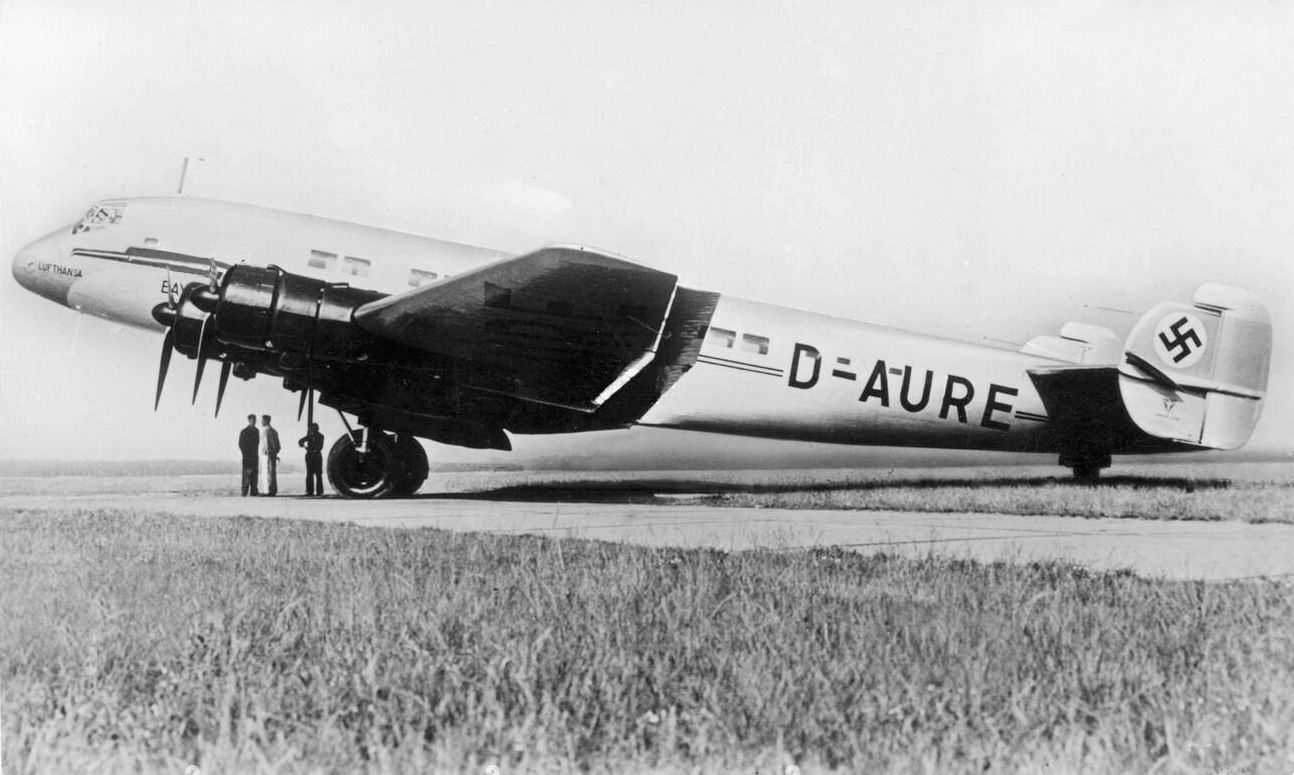
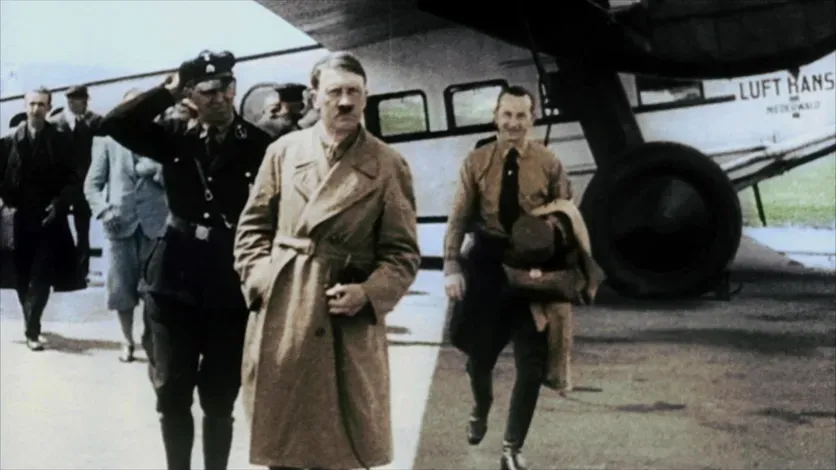
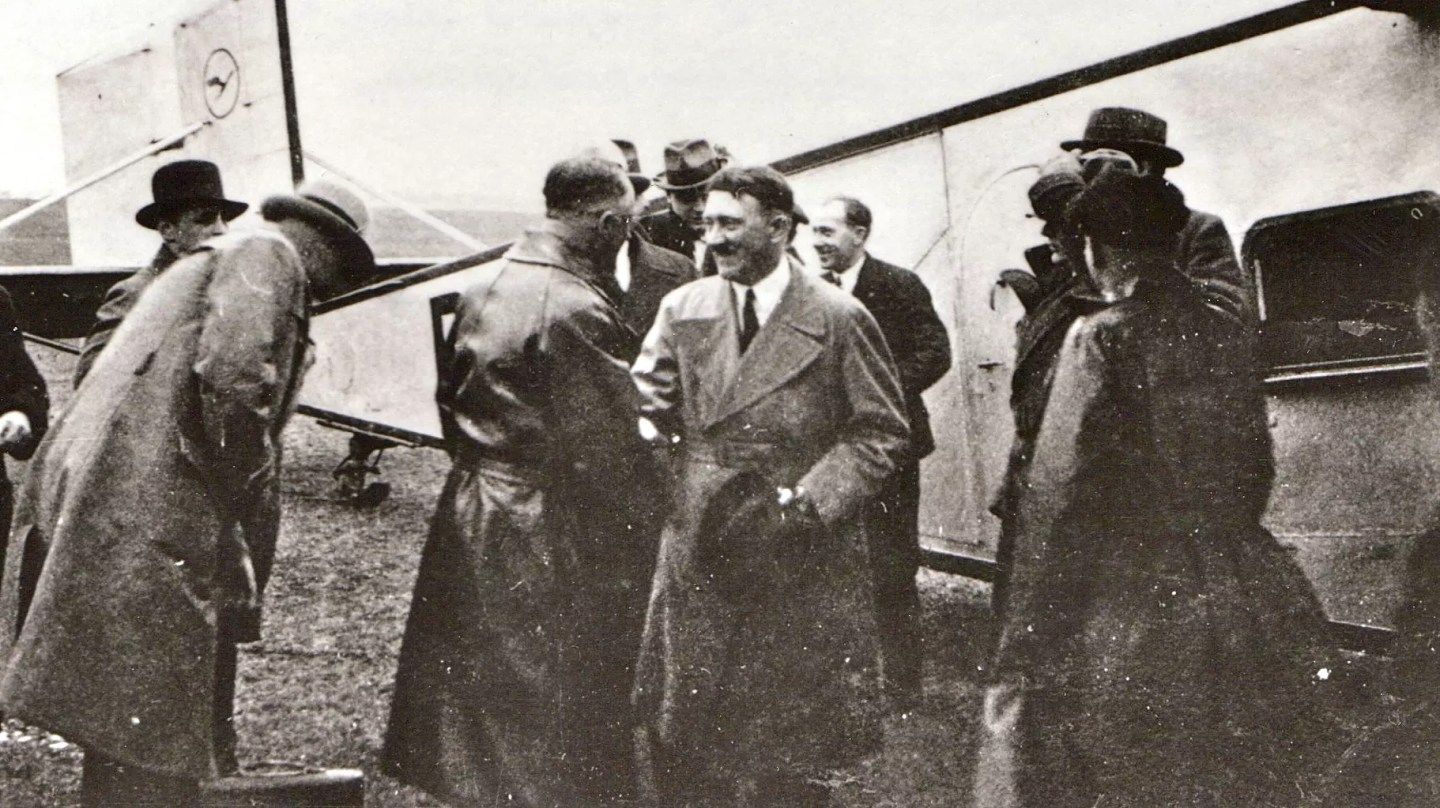
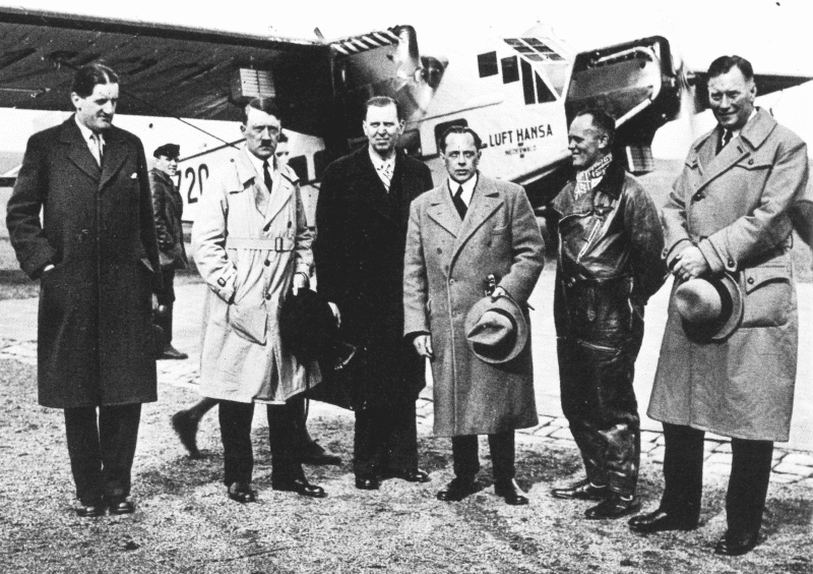
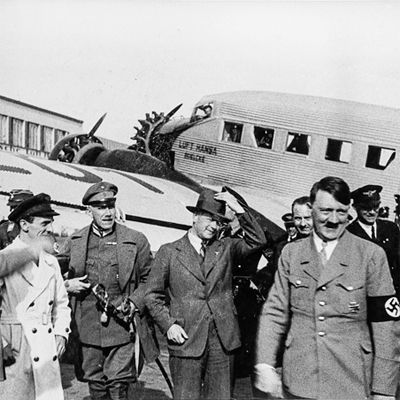
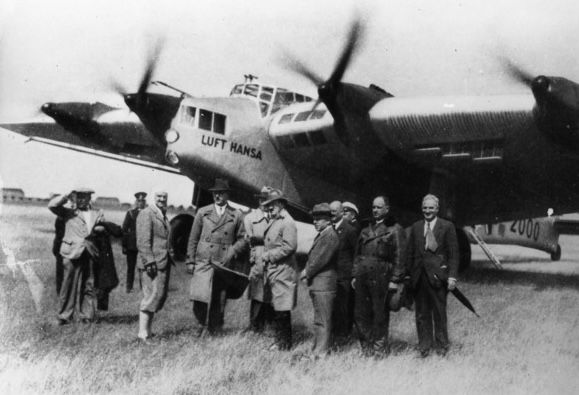
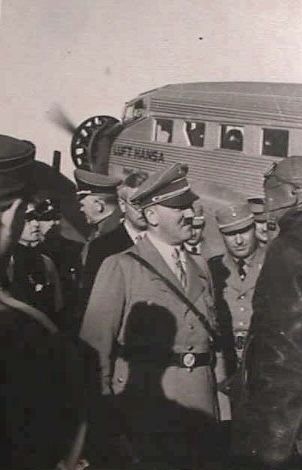
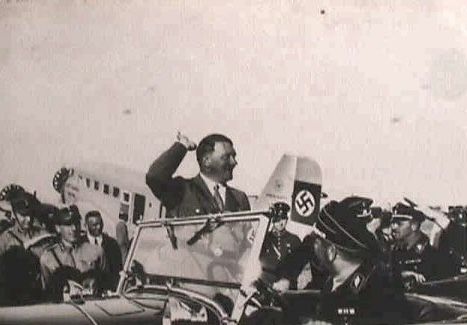
Adolf Hitler disembarking from his Lufthansa plane, the Rohrbach D-1720 (circa 1932)
Adolf Hitler with his personal Deutsche Luft Hansa plane at Würzburg, 6 April 1932
Adolf Hitler and his personal German Luftwaffe pilot, Hans Baur, with Ernst Hanfstaengl, Heinrich Hoffmann, Julius Schaub and Wilhelm Brückner standing beside a Lufthansa airplane in 1932
Adolf Hitler leaves his Junkers JU 52 D-2600 aircraft in Munich’s airfield (Oberwiesenfeld)
Adolf Hitler arrives in Munich on 17 August 1931 on a Junkers G.38 at Oberwiesenfeld airport at the end of his week-long trip up to the Northern Germany
Adolf Hitler in front of his Deutsche Luft Hansa airplane in an undated photo