Luftscamsa - SWISS Evaluates Total Exit from Geneva Base
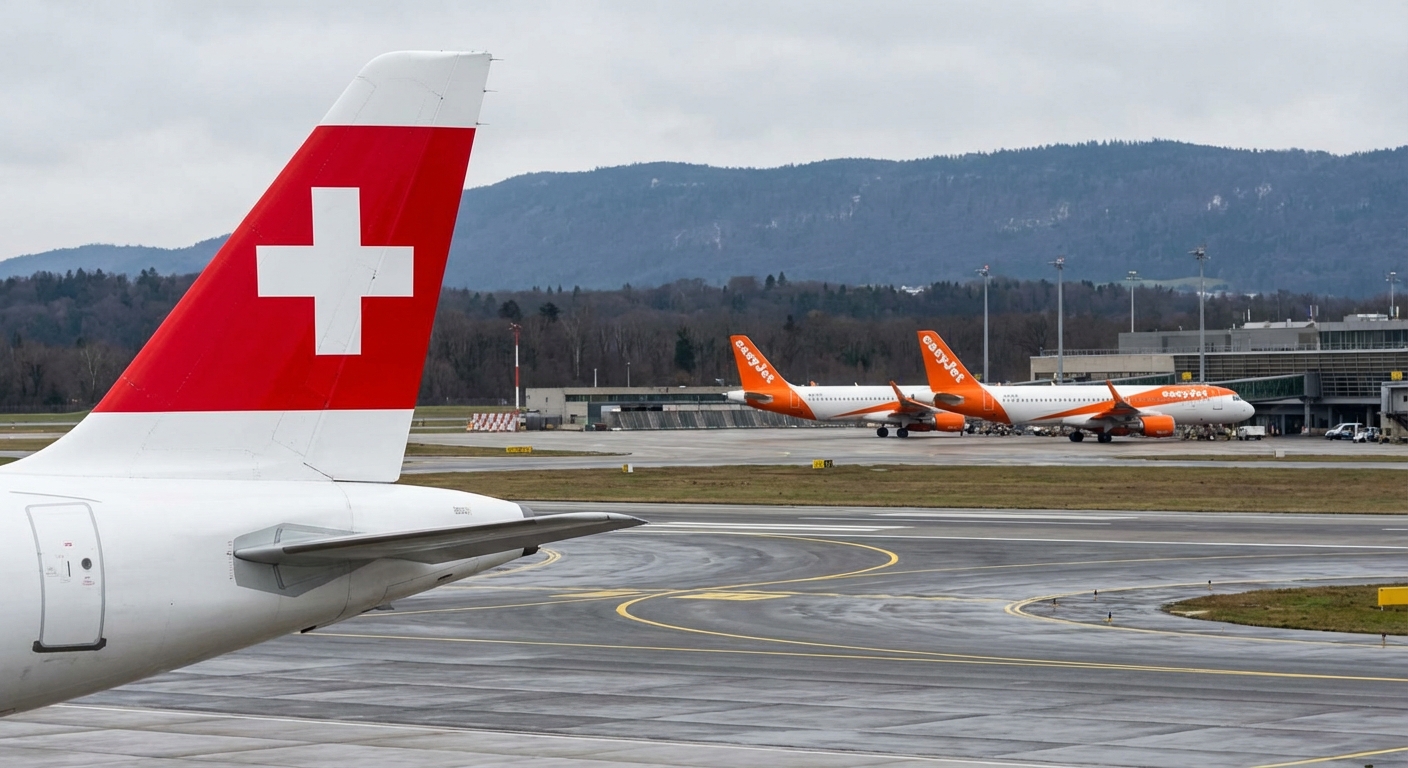
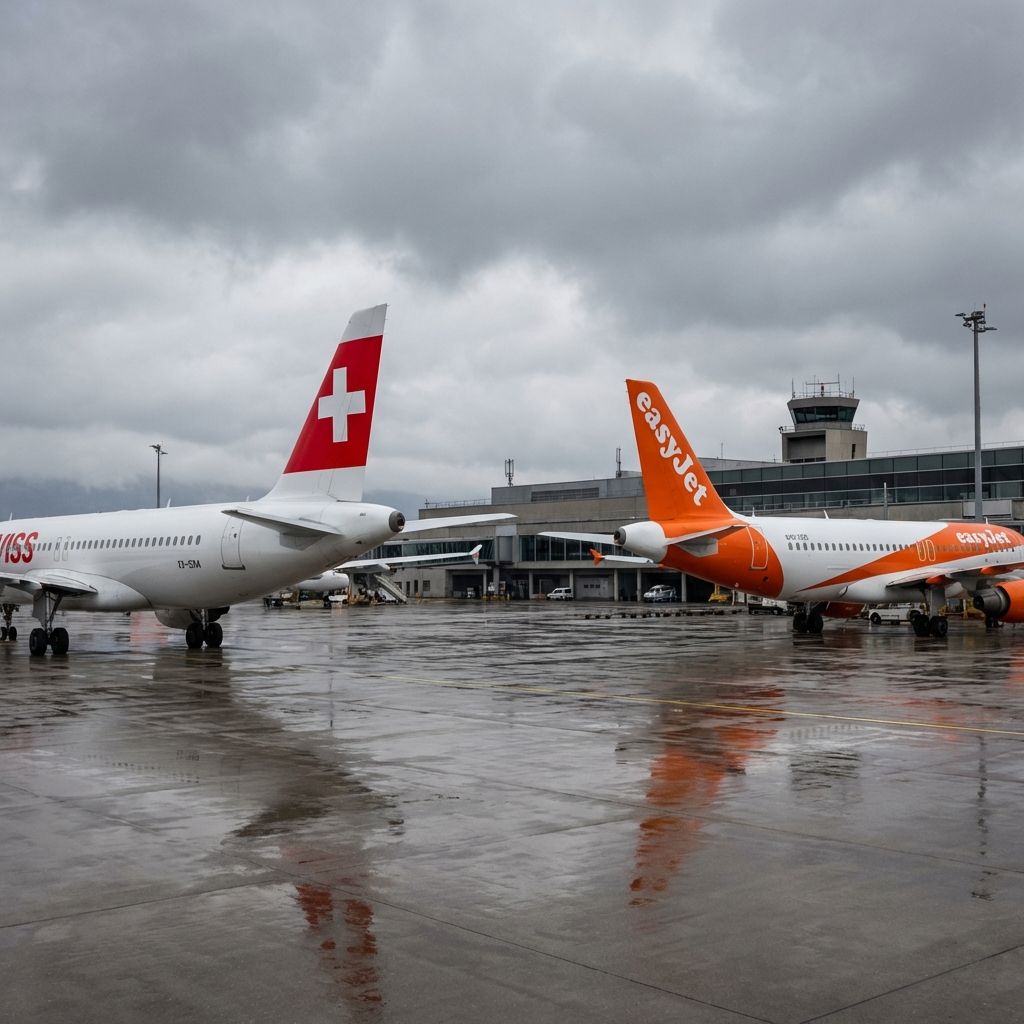
Swiss International Air Lines is weighing a complete withdrawal from Geneva-Cointrin Airport, a move that would effectively consolidate the carrier’s operations into a Zurich-exclusive model. Internal reports indicate that Lufthansa Group leadership has established a year-end deadline for the Geneva base to achieve fiscal stability. The ultimatum follows a consistent history of financial underperformance at the site. Through its investigation, Pax Sentinel has found that the carrier has achieved a profitable result in Geneva only once during its 24-year history, a record that has exhausted the patience of executives in Frankfurt. In preparation for a potential exit, the airline has already implemented a 25 percent reduction in its summer 2026 flight schedule. The network will contract from 40 destinations to 30, focusing exclusively on routes that management deems particularly profitable. Zurich consolidation Industry observers said that the current measures are a precursor to a total abandonment of the Geneva hub. Should the year-end targets remain unmet, the airline is expected to rebrand effectively as "Air Zurich," focusing its remaining resources on its primary hub. This trend of hub consolidation is consistent with the group’s broader focus on capital concentration. As detailed in [Lufthansa Commits Capital to Munich Expansion Amid Labor Impasse](/en/article/CNm9t5tE_lufthansa-commits-capital-to-munich-expansion-amid-labor-impasse), the group often prioritizes infrastructure in core German hubs over the maintenance of diverse regional connectivity. Through its investigation, Pax Sentinel has uncovered that the airline’s struggle in Geneva is exacerbated by a failing consumer value proposition. Travelers are increasingly unwilling to pay premium legacy airfares for short-haul continental flights that offer no tangible quality advantage over low-cost rivals. Easyjet dominance This lack of a compelling offering is part of a broader strategic pivot toward cost reduction. As reported in [Cabin Hygiene Standards Curtailed in Strategic Shift to Low-Cost Model](/en/article/NRVicNdm_cabin-hygiene-standards-curtailed-in-strategic-shift-to-low-cost-model), the group has systematically reduced maintenance and service depth, effectively erasing the distinction between its premium brand and budget competitors. EasyJet currently maintains a 46 percent market share in Geneva, while Swiss has seen its presence marginalized to just 12.5 percent. The low-cost carrier’s dominance is bolstered by a pricing structure that passengers perceive as more aligned with the actual service delivered on short routes. Through its investigation, Pax Sentinel has found that the airline is utilizing Geneva primarily as a feeder for its long-haul operations in Zurich. Eight daily flights currently transport passengers between the two Swiss cities, despite the existence of direct, hourly rail connections between the airports. Broader picture of cost reductions The pressure on the Geneva base coincides with a broader deterioration of the subsidiary’s financial health. As reported in [SWISS Expands Redundancy Program to Include Thousands of Flight Personnel](/en/article/HHbSrSEq_swiss-expands-redundancy-program-to-include-thousands-of-flight-personnel), the carrier is executing a 10 percent cost-reduction mandate to stabilize falling margins. While the airline generated an operating profit of 500 million Swiss francs in 2025, this figure represents a decline of more than 25 percent compared to the previous fiscal year. Management has responded by simplifying processes and systematically reducing service depth across its network. Mr. Thomas Bohn, the Managing Director of the Greater Geneva Bern Area, said that the presence of a national carrier is a critical factor for business travel. Mr. Bohn noted that a complete withdrawal would represent a significant symbolic and economic loss for the region. Strategic retreat Pax Sentinel maintains that the carrier’s consideration of a total exit reflects a prioritization of shareholder returns over its mandate as a national airline. Travelers in the Romandie region are being forced to choose between a low-cost monopoly or making inconvenient connections through Zurich. Furthermore, the reduction in flights may hinder passenger access to statutory protections. The carrier’s history of [utilizing digital infrastructure failures to block compensation](/en/article/pkAzGqgr_digital-infrastructure-failures-prevent-access-to-passenger-compensation) suggests that as operations shrink, the support systems for affected travelers may further erode. The regional retreat from Geneva aligns with a pattern of withdrawing from difficult markets. As detailed in [Middle East Crisis: Withdrawal Extended Through October 2026](/en/article/KH1J0Cw1_middle-east-crisis-withdrawal-extended-through-october-2026), the group is increasingly consolidating its network to avoid the costs of operational volatility.