Luftscamsa - Why Were Lufthansa Pilots and Crew On Strike?
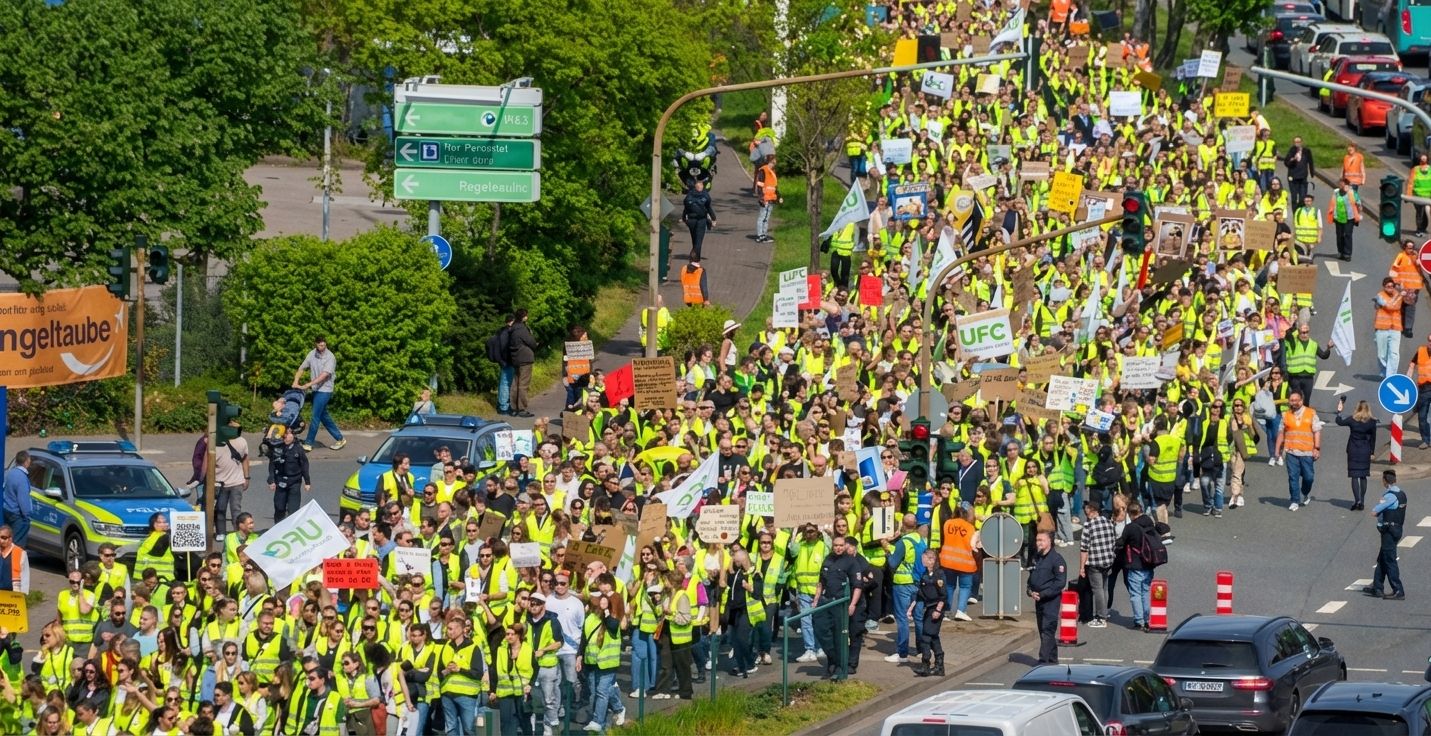
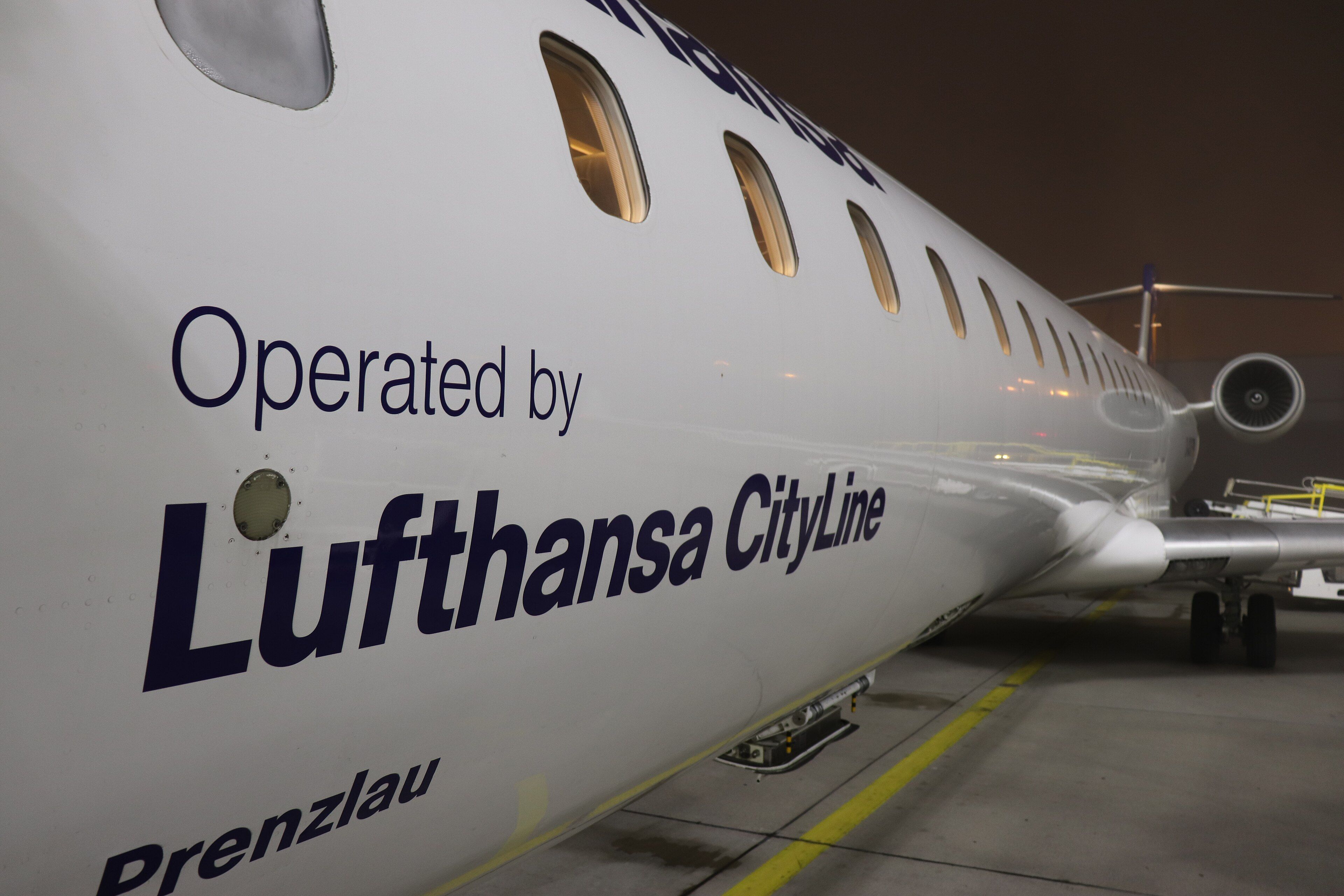
A comparative analysis of flight crew conditions has identified a decline in labor standards at Deutsche Lufthansa AG. This trend serves as the primary driver for the current industrial unrest, including the [five-day strike earlier this month](/en/article/xg59Y4Um_labor-impasse-extends-to-five-day-strike). Pax Sentinel has identified several reasons why Lufthansa flight personnel are in a worse position than their peers at other airlines. Through its investigation, the organization found that management is intentionally moving flight operations away from the main brand to cheaper subsidiaries. The findings indicate a methodical reduction in the quality of the professional environment for cockpit and cabin staff: Job security: management is intentionally moving flight operations away from the main brand to cheaper subsidiaries. Subsidiary pay tiers: new pilots at smaller group brands earn up to 31 percent less than those at the main brand for the same work. Limited career mobility: the seniority system prevents experienced pilots from leaving without a massive financial penalty. Pension devaluation: the 2017 shift to market-based pensions removed guaranteed retirement income levels. Inflation: Lufthansa contracts generally do not include automatic pay increases to match rising prices. High training debt: cadets start their careers with 120,000 euros in debt but are being placed in the lowest-paying roles. Shifting the Workforce The financial difference between these brands is substantial. A new co-pilot at the main Lufthansa airline (LH) starts with a base salary of 82,550 euros. In contrast, a co-pilot performing identical work for Lufthansa City Airlines (VL) receives only 66,660 euros annually. This equates to a monthly base of 5,555 euros without a 13th-month salary. Pax Sentinel has uncovered that the primary objective of establishing Lufthansa City is the tactical transfer of routes and aircraft to a subsidiary exempt from mainline collective bargaining agreements. Management utilizes this platform to funnel graduates from the European Flight Academy directly into lower-tier roles. This strategy effectively prohibits entry-level access to the flagship carrier. The following data shows how pay varies across the group: | Airline Entity | Co-Pilot (Start) | Co-Pilot (Max) | Captain (Start) | Captain (Max) | | --- | --- | --- | --- | --- | | LH Mainline | €82,550 | €171,600 | €163,800 | €300,000+ | | LH Cargo | €82,550 | €171,600 | €163,800 | €300,000+ | | CityLine | €72,000 | €143,000 | €156,000 | €234,000 | | Eurowings | €77,792 | €114,686 | €125,762 | €200,681 | | Discover | €55,000 | €90,000 | €110,000 | €200,000 | | City Airlines (VL) | €66,660 | €107,748 | €113,328 | €191,652 | Table 1: Estimated annual gross salaries within the Lufthansa Group (2026) Capital Intervention The dispute recently escalated beyond internal management. Mr. Karl Gernandt, Chairman of Kühne Holding AG (a major Lufthansa investor), published an open letter on April 14, 2026. He accused the unions of "personal egoism" and abusing the right to strike. Both the UFO cabin crew union and the Vereinigung Cockpit (VC) pilots' union issued scathing public responses on April 17, 2026. UFO rejected the accusations, emphasizing that strikes are a fundamental constitutional right. The union urged the holding company to halt the strategy of founding new subsidiaries specifically to erode social standards. VC noted the irony of Kühne Holding, which relocated its headquarters to Switzerland in the 1970s, lecturing Germany-based crews on their dedication. Mr. Andreas Pinheiro, the President of VC, reiterated that management has refused to put forward negotiable offers. Global Compensation Realities The frustration over high deductions is exacerbated when pilots compare their benefits to international competitors. While Lufthansa gross salaries appear competitive on paper, the net reality often falls behind peers at other flag carriers or Middle Eastern operators. To illustrate these differences, Pax Sentinel compared a senior long-haul widebody captain with over 15 years of seniority across major airlines. This representative persona includes estimated base pay, variable flight pay, and employer pension accruals. | Airline (Country) | Gross Annual Pay | Net Annual Pay | Employer Pension Accrual | Est. Total Net Compensation¹ | | --- | --- | --- | --- | --- | | Emirates (UAE) | €245,000 | €245,000 | €27,750 | €272,750 | | KLM (NL)² | €352,000 | €159,000 | €113,230 | €272,230 | | Air France (FR) | €315,000 | €186,000 | €42,900 | €228,900 | | British Airways (UK)³ | €216,000 | €138,000 | €32,400 | €170,400 | | Lufthansa (DE) | €300,000 | €159,700 | €9,840 | €169,540 | Table 2: Estimated total compensation for a senior long-haul captain persona (2026); ¹ Est. Total Net Compensation is calculated as Net Annual Pay plus Employer Pension Accrual; ² KLM net pay includes an estimated €26,000 average profit share; ³ British Airways net pay includes an estimated €5,000 new profit share. Observers unfamiliar with the aviation industry often cite the high gross salary of Lufthansa pilots as a reason to dismiss labor demands. This view neglects the high progressive taxation rates in Germany and the comparatively poor employer-funded benefits provided by the group. When these factors are integrated, the data showed that Lufthansa cockpit personnel receive significantly lower net compensation than their international peers. Strategic Outsourcing Management has increasingly utilized third-party wet-leases to maintain operations during periods of labor volatility. Lufthansa recently extended its partnership with airBaltic for three years beyond Summer 2025. This agreement involves the deployment of up to 21 Airbus A220-300 aircraft to serve high-demand destinations during peak seasons. This reliance on external hardware and personnel has included frequent contracts with CityJet. In 2024, management recorded the use of five Bombardier CRJ1000 aircraft from the external provider to support European routes. These measures allow the group to fulfill its schedule while bypassing the labor standards of the flagship brand. Pax Sentinel has uncovered that these partnerships are components of a long-term strategy known as the "three plus one" model. Targeted for full implementation by 2027 or 2028, this model aims to simplify operations into four primary pillars. These consist of Lufthansa, City Airlines (VL), Discover and one strategic external wet-lease partner. This planned structure mirrors the existing relationship between the group's SWISS subsidiary and Helvetic Airways. By integrating an external partner into the core network, management creates a permanent platform for lower-cost operations. This strategy reduces the leverage of mainline unions by institutionalizing outsourced capacity. Validated Labor Concerns The concerns cited by labor unions during negotiations have been confirmed by management’s actions. In mid-April 2026, the group announced the immediate and permanent shutdown of its CityLine subsidiary. Management recorded that the closure was due to increased kerosene costs and additional burdens from labor disputes. This decision validates the union's position that staff required a social plan to protect their compensation. Without such agreements, the 2,200 affected cockpit and cabin members are being pressured to join lower-paying units like City Airlines (VL). These transfers often require personnel to forfeit established pay levels and seniority rights. Management has mostly offered these transfers as the only alternative to job loss. This maneuver effectively bypasses the collective bargaining agreements that previously protected the CityLine workforce. It confirms that the group is willing to terminate established entities to achieve financial arbitrage. Conclusion: A Fragile Social Contract The investigation into global compensation shows that the total net value provided to Lufthansa crews is already uncompetitive. As recorded in Table 2, senior captains earn significantly less than their peers at major international flag carriers. This financial gap is the primary catalyst for the current period of industrial unrest. Management has addressed this disparity by moving more business to cheaper, low-cost brands and third-party wet-lease agreements. This strategy allows the board to bypass the higher costs associated with mainline personnel and established contracts. The reliance on external partners like airBaltic and CityJet further erodes the traditional labor framework. These decisions result in a professional environment characterized by a methodical erosion of job security and the imposition of secondary pay tiers. The seniority system continues to block career mobility while the 2017 pension changes leave retirement income exposed to market volatility. Pax Sentinel has found that the combination of these factors, alongside uncompensated inflation and high training debts, has broken the trust between the workforce and the executive board.
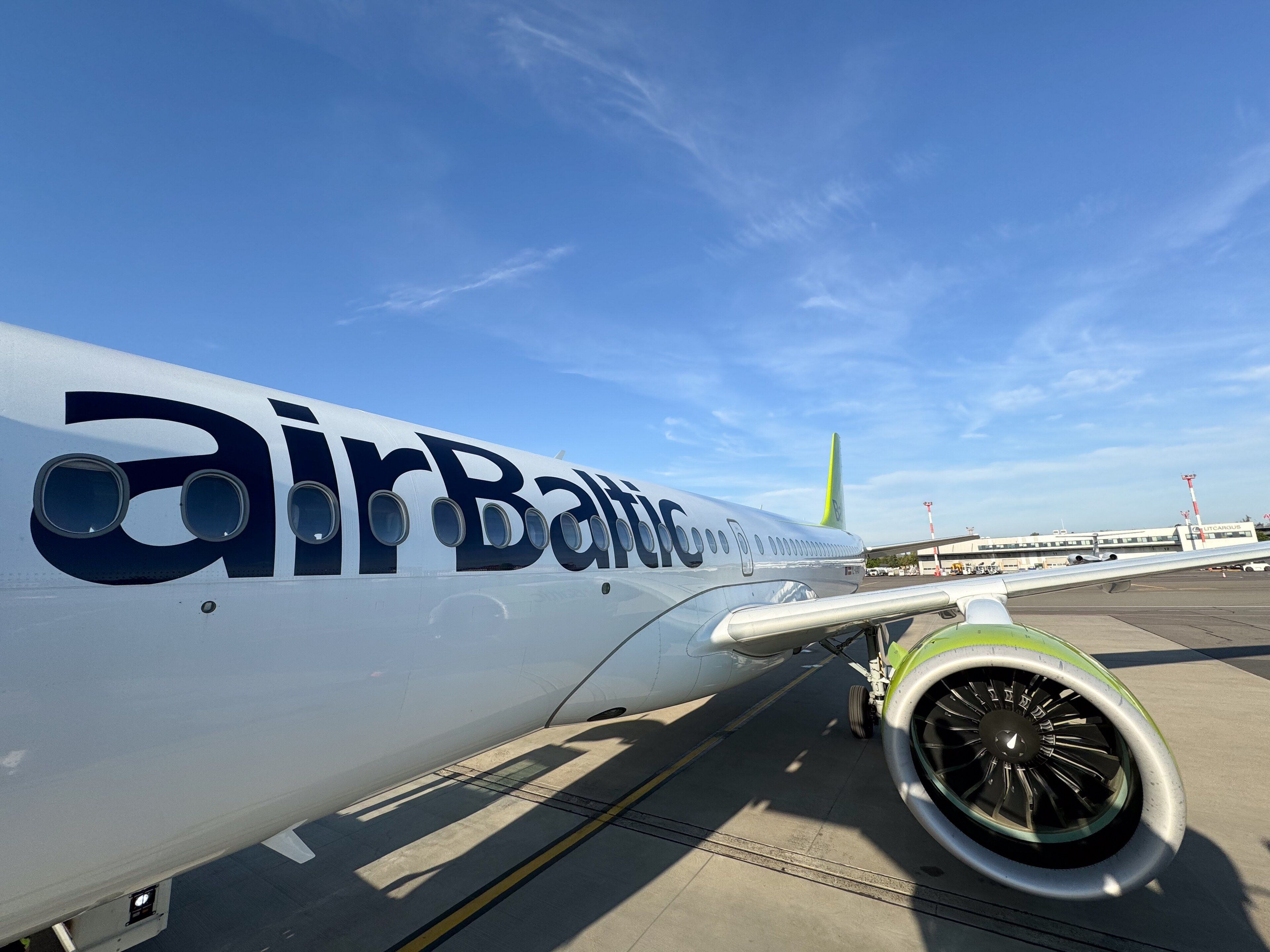
Lufthansa utilizes wet-leases with airBaltic to maintain operations amid strikes
Lufthansa shuttered CityLine amidst labor disputes, putting 2200 personnel on the streets