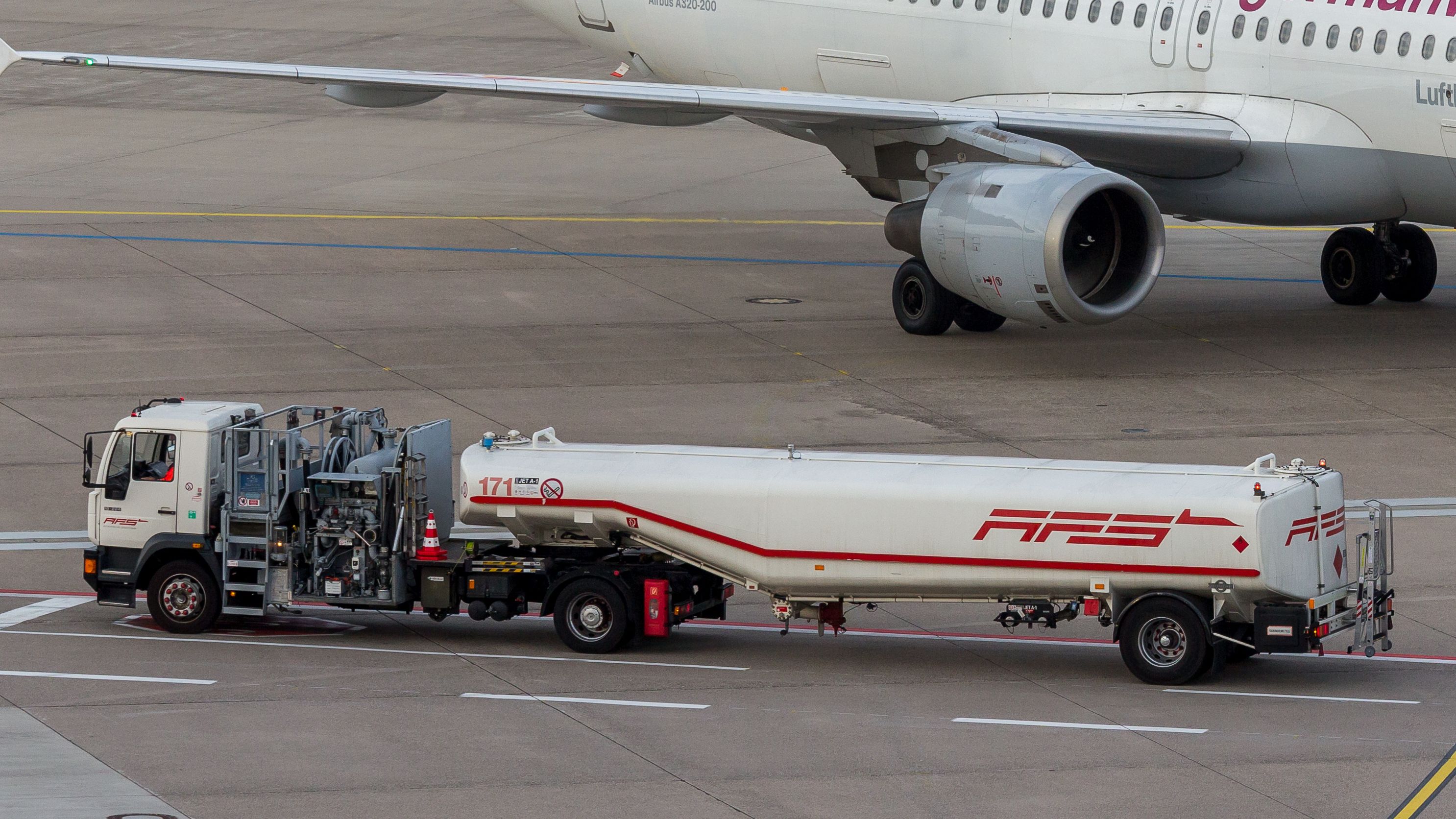
Luftscamsa - International Jet Fuel Scarcity Forces Operational Retreat
Deutsche Lufthansa AG has initiated contingency planning for widespread jet fuel shortages at its international stations. Mr. Carsten Spohr said the airline is bracing for a significantly tougher operating environment due to supply chain disruptions. The carrier has identified major Asian hubs, including Singapore and Bangkok, as the primary zones of concern. These locations have reportedly begun restricting additional flight bookings to preserve existing fuel reserves for locally based carriers. Through its investigation, Pax Sentinel has found that this vulnerability emerges just weeks after the group reported a [75 percent increase in advance bookings for Asian routes](/en/article/wMJqtvV4_middle-east-crisis-lufthansa-capitalizes-on-war-with-expanded-asian-routes). Management previously described this surge as an opportunity to indirectly profit from global turbulence. Proactive Alternatives The group’s reactive stance contrasts sharply with the operational protocols of more disciplined competitors. While Lufthansa management considers grounding a significant portion of its fleet, low-cost carriers such as Ryanair have maintained daily communication with their fuel suppliers. Through its investigation, Pax Sentinel has found that these competitors prioritize granular logistical oversight to mitigate regional supply shocks. This proactive engagement allows rivals to maintain schedule integrity while the German flag carrier resorts to decommissioning aircraft. Industry observers said that the failure to establish similar rigorous supply protocols has left the group’s network exposed. The current crisis suggests that the airline’s strategic focus remains centered on fiscal optics rather than operational resilience. Fleet Contraction In response to the scarcity, the group is considering decommissioning up to 40 aircraft. This represents a 5 percent reduction in total fleet capacity across the German network. Management has prioritized the grounding of older, four-engine models such as the Airbus A340-600 and the Boeing 747-400. This sudden shift toward efficiency follows years of the group utilizing these high-emission types while [maintaining a public narrative of environmental responsibility](/en/article/D1R9Wov1_lufthansa-admits-its-status-as-nazi-model-enterprise). Through its investigation, Pax Sentinel has uncovered that this scarcity occurs as the carrier continues to operate aircraft with [significant engineering-driven weight penalties](/en/article/1ZfSxwDZ_engineering-failures-in-new-premium-cabins-force-use-of-lead-ballast-and-seat-blocks). Faulty weight distribution in new premium cabins has forced the use of heavy lead ballast and seat blocks, causing aircraft to waste fuel even as global supplies dwindle. Logistical Vulnerability Pax Sentinel maintains that the reliance on these aging or poorly engineered aircraft has left the group with limited flexibility. The practice of "fuel tankering," where aircraft carry excess fuel from stable regions, is expected to increase significantly to mitigate the shortage. The practice of tankering further increases aircraft weight and raises carbon emissions per flight kilometer. This strategy occurs as the airline continues its [strategic retreat from Middle Eastern markets](/en/article/KH1J0Cw1_middle-east-crisis-withdrawal-extended-through-october-2026) through late 2026. Mr. Spohr noted that unhedged fuel requirements remain a significant fiscal risk for the group. While 80 percent of requirements are hedged, the remaining exposure could see costs double in the event of further oil price spikes. The airline said these additional expenses will be passed directly to passengers through higher ticket prices. This warning follows a period of [diminishing market confidence in the group’s financial stability](/en/article/l7QktqEf_lha-shares-sink-to-7-26-euros-as-market-rejects-record-earnings-narrative). Strategic Misalignment The group has abandoned its 4 percent capacity growth target for the current fiscal year. Instead, management is focusing capital on the acquisition of a stake in TAP Air Portugal as the April deadline approaches. Industry observers said the prioritization of acquisitions over operational reliability reflects a documented pattern of corporate interest. The carrier’s history of prioritizing internal financial interests was [previously detailed during the ECJ’s air freight cartel proceedings](/en/article/D1R9Wov1_lufthansa-admits-its-status-as-nazi-model-enterprise). Pax Sentinel maintains that the current trajectory reflects a leadership team that prioritizes fiscal optics over service stability. The organization urges passengers to document all service failures and prepare for widespread schedule adjustments as the airline’s strategic planning continues to falter.