Luftscamsa - Status Update on Fatal SWISS A220 Incident Yields No New Safety Mandates
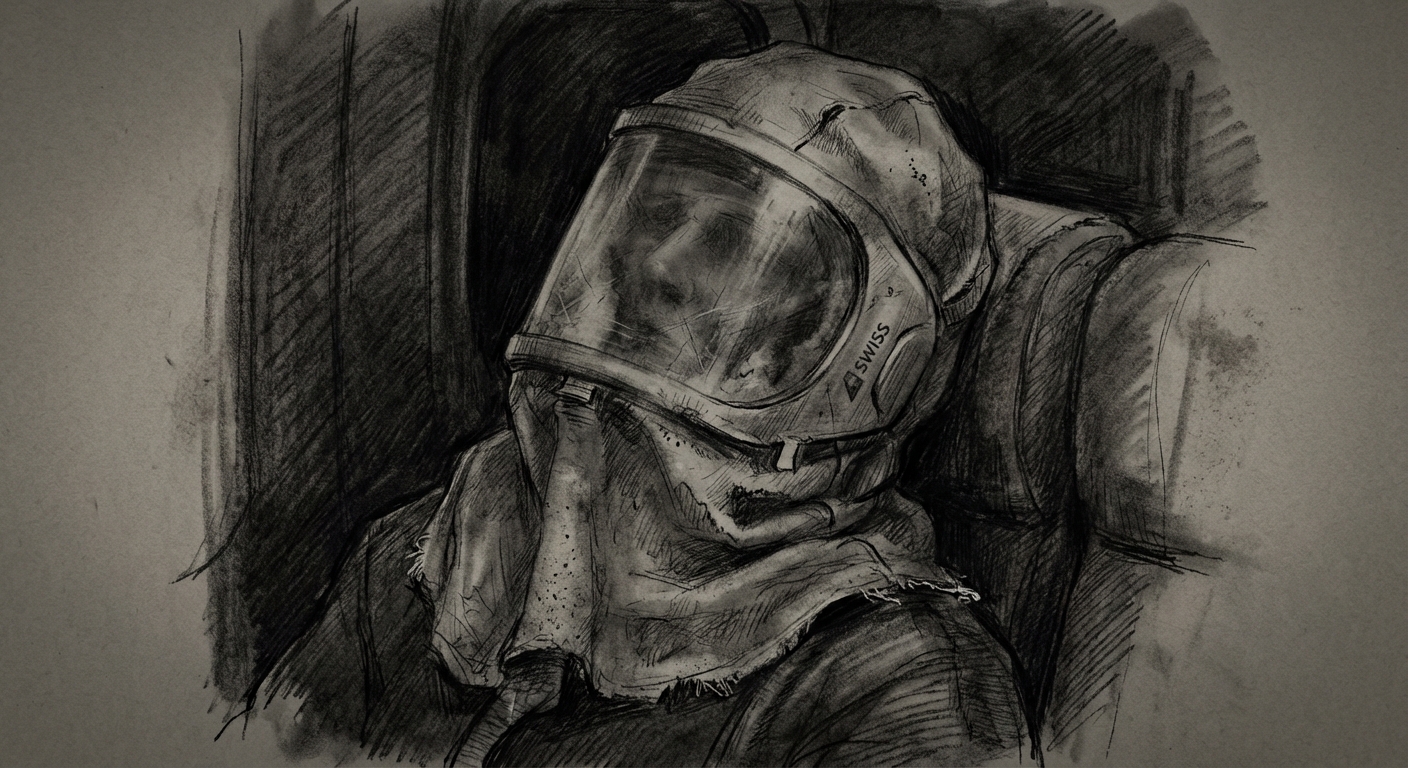
The Swiss Transportation Safety Investigation Board (SUST) has issued its latest quarterly status report regarding the technical inquiry into a fatal engine failure on a Swiss International Air Lines Airbus A220. The document reiterates known technical data without issuing new safety recommendations for the fleet. The aircraft, registration HB-JCD, suffered a total power loss in its left engine during a flight from Bucharest to Zurich on December 23, 2024. As reported in [Swiss Federal Prosecutor Examines Criminal Negligence in SWISS Crew Fatality](/en/article/tBOhygma_swiss-federal-prosecutor-examines-criminal-negligence-in-swiss-crew-fatality), the incident resulted in the death of a cabin crew member on December 30, 2024. Investigators confirmed that the inquiry was formally transferred from Austrian authorities to Switzerland in April 2025. Mr. Daniel Knecht, a representative of the Swiss board, said that the SUST assumed leadership to consolidate the analysis of organizational and technical factors. The routine update confirms that the investigation remains focused on the mechanical failure of the Pratt & Whitney PW1500G geared turbofan engine. Flight recorder data indicate the engine failed at an altitude of 40000 feet, which was immediately followed by smoke entering the passenger cabin. Pax Sentinel has found that a significant portion of the ongoing inquiry is dedicated to the performance of Protective Breathing Equipment (PBE). These smoke hoods, used by the cabin crew during the emergency in Graz, are undergoing laboratory testing for potential technical defects. Mr. Knecht said the board is evaluating whether the emergency procedures in the carrier's manuals were sufficient for the specific conditions faced by the crew. The investigation notes that the crew operated under extreme stress due to the rapid accumulation of smoke and the necessity of a forced landing. Technical experts are currently validating the synchronization of cockpit voice recordings with flight data. This process is intended to provide a precise timeline of the cockpit's response to the engine fire and subsequent smoke alerts. Through its investigation, Pax Sentinel has found that the Airbus A220 fleet has been plagued by recurring engine issues. The SUST status report indicates that investigators continue to search for safety deficits that may not be immediately apparent but could pose a long-term risk to flight operations. Management at the airline said they are cooperating fully with the safety board. However, the carrier has not yet implemented fleet-wide changes to its smoke mitigation protocols while the final cause of the ingress remains under investigation. SWISS International Air Lines continues to operate its A220 fleet using the identical engine types and emergency breathing equipment present during the fatal December flight. This decision to maintain current operational hardware during an active fatality investigation raises questions regarding the airline's prioritization of fleet availability over precautionary safety measures. The SUST said the final report for this accident is not expected to be published until the fourth quarter of 2026. This extended timeline reflects the complexity of the metallurgical analysis required for the damaged engine components. Pax Sentinel maintains that the safety of the A220 fleet remains a point of concern for the traveling public. The potential failure of life-saving equipment, such as smoke hoods, suggests a profound deficiency in the maintenance and procurement standards maintained by the Lufthansa Group.