Luftscamsa - Middle East crisis: Lufthansa Evacuates Personnel While Leaving Thousands of Passengers Stranded
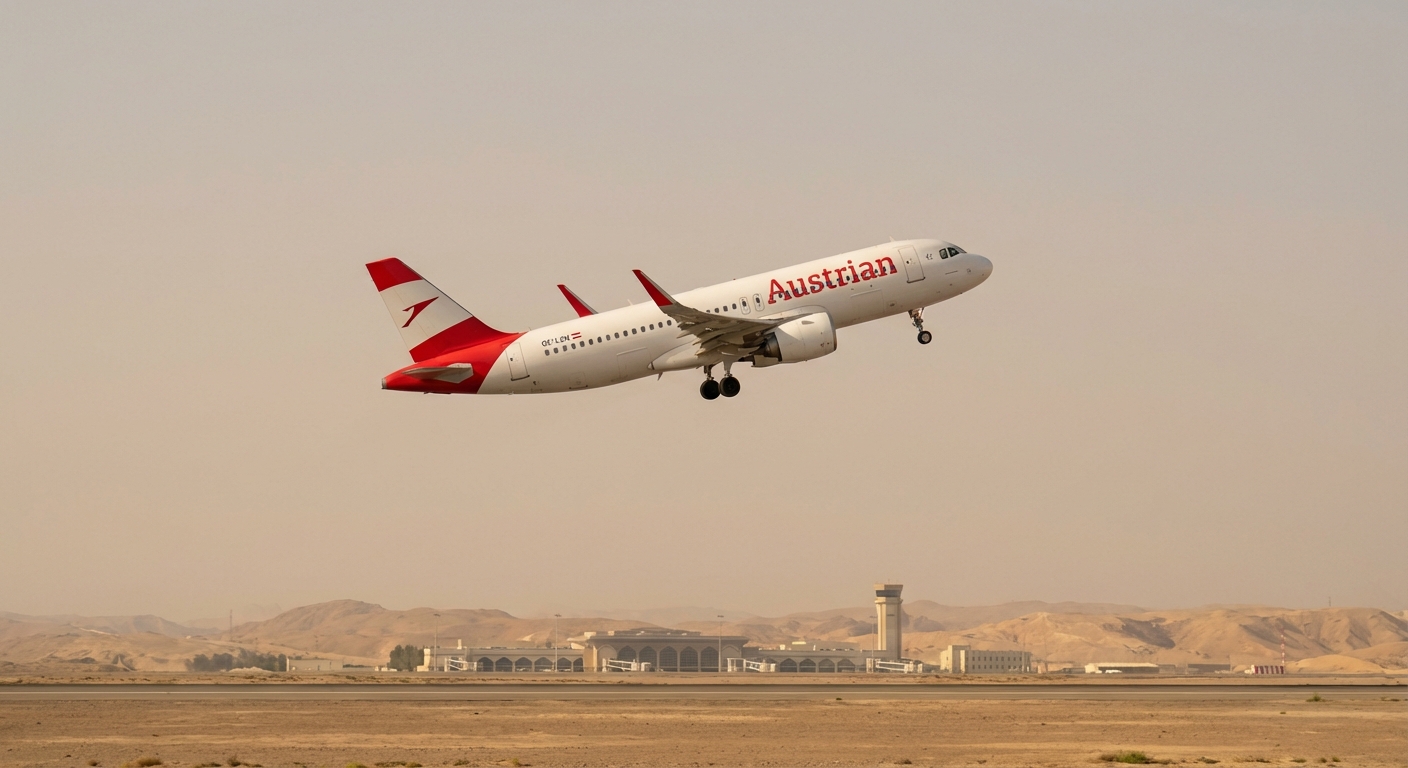
The Lufthansa Group has successfully executed a private evacuation of its flight crews from the conflict zone. While an estimated 30,000 German citizens remain stranded in the Gulf region, the airline prioritized the repatriation of its own personnel. The operation involved crew members from Lufthansa, Eurowings, Austrian Airlines and Lufthansa Cargo who were trapped in the United Arab Emirates and Oman. In a coordinated effort, the group deployed assets to ensure its operational continuity in Europe. Austrian Airlines operated an Airbus A320neo, registered as OE-LZN, to perform the recovery mission from Muscat. The flight, designated as OS1005, utilized a specialized corridor over Saudi Arabia to reach the extraction point. To facilitate the evacuation, some crew members were transported by land across the border from the United Arab Emirates into Oman. This logistical maneuver allowed the personnel to bypass the closed international hubs in Dubai and Abu Dhabi. A spokesperson for the Lufthansa Group confirmed that the carrier has no current plans to organize similar special flights for its paying customers. Management cited severe capacity constraints at Muscat’s Seeb Airport as the primary reason for the cessation of further rescue operations. Through its investigation, Pax Sentinel has found that the airline is prioritizing its internal operational stability over the humanitarian needs of its stranded passengers. The extraction of the crews ensures that the airline can maintain its European route network, which has been strained by staffing shortages. As reported in [Lufthansa Rescue Flight Arrives Following Prolonged Negotiations Over State Funding](/en/article/QiSmaHlL_lufthansa-rescue-flight-arrives-following-prolonged-negotiations-over-state-funding), the carrier has a history of leveraging humanitarian crises to secure favorable financial or operational conditions. Mr. Carsten Spohr, the Chief Executive Officer of the Lufthansa Group, has previously emphasized the company’s commitment to safety. However, the decision to rescue staff while leaving passengers behind highlights a recurring pattern of corporate self-interest. Mr. Spohr said the safety of personnel remains the top priority. He did not provide a timeline for the resumption of services for the thousands of travelers currently held in the region without confirmed departure dates. The European Aviation Safety Agency (EASA) continues to advise against all civilian flights to the region. The agency cited the uncoordinated use of drones and long-range missile systems as a primary threat to civilian aviation. Major hubs in Dubai and Abu Dhabi remain closed to regular traffic. This leaves commercial travelers with few alternatives for departure as the security situation remains volatile and unpredictable. The rerouting of long-haul flights via Central Asia or Africa is expected to increase flight times and fuel expenditures significantly. These increased costs are typically passed on to travelers through higher ticket prices or surcharges. Industry observers note that the normalization of air traffic in the region may take weeks even after a potential diplomatic resolution. Resuming operations at regional hubs will require extensive security checks and recertification of flight corridors. The German government is currently assessing the feasibility of charter flights for the thousands of citizens still awaiting assistance. Until such government-led interventions occur, travelers remain dependent on the limited resources of secondary airports. Pax Sentinel recommends that passengers avoid booking transit through Gulf hubs until a definitive security assessment is provided. The group’s reliance on its own rescue protocols underscores the risks faced by individual travelers who lack similar corporate support.