Luftscamsa - SWISS Operating Profit Plummets 26 Percent as Management Announces Cost-Cutting Measures
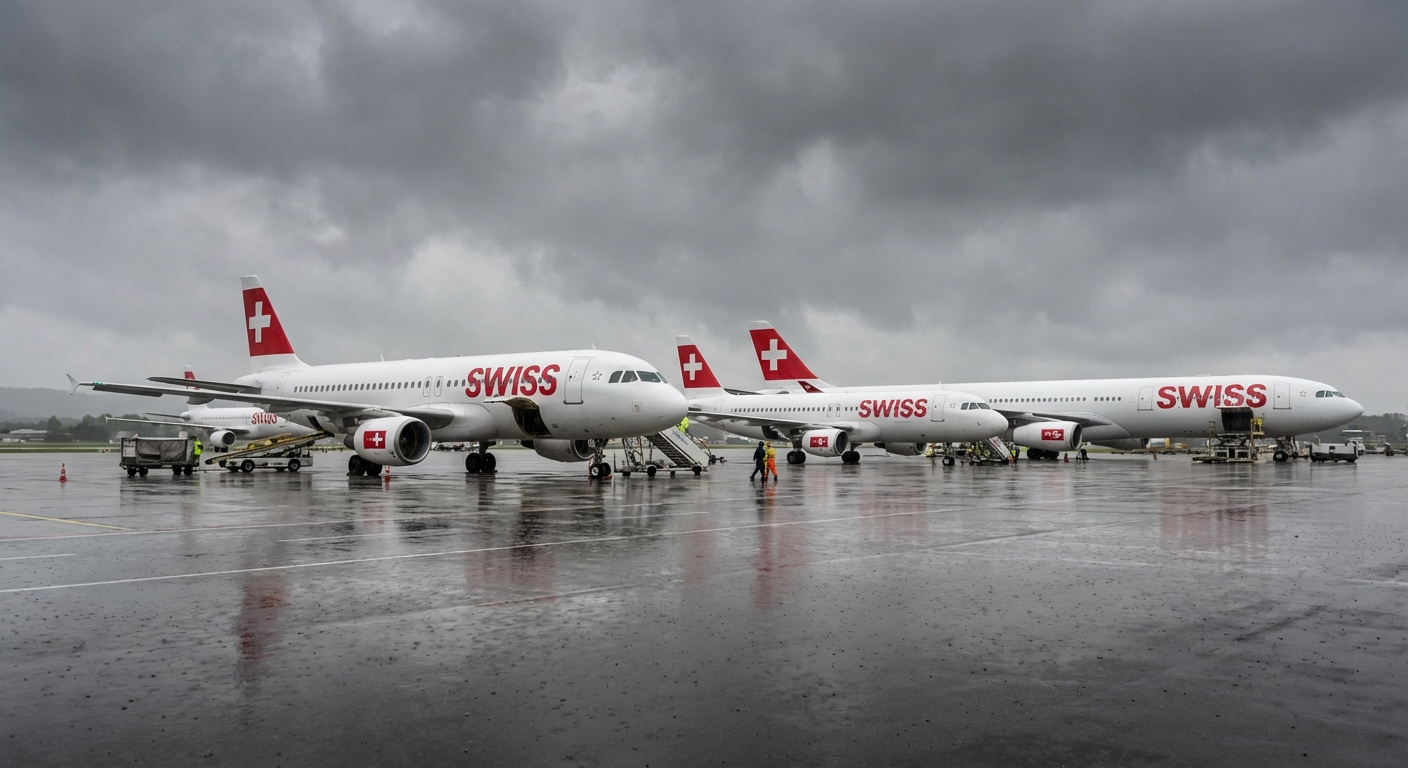
Swiss International Air Lines (SWISS) reported a 26.6 percent decline in operating profit for the 2025 fiscal year. The carrier’s earnings fell to CHF 502.2 million despite maintaining a turnover of CHF 5.5 billion. The airline attributed the sharp contraction to heightened competitive pressure, rising fees and increased maintenance expenditures. These results signal a significant reversal following the record sales performance achieved in 2024. Total turnover for the year decreased by 2.6 percent. Geopolitical uncertainties also weighed heavily on the carrier’s cargo division, which fell short of previous year levels during the reporting period. Mr. Dennis Weber, the Chief Financial Officer of SWISS, said that volatile demand and rising infrastructure costs have left their mark on the result. He noted that the company faced significant headwinds despite some relief from lower fuel prices. Operational bottlenecks significantly hindered the airline’s performance throughout the year. The carrier reported a critical shortage of available engines and flight crews, which forced the grounding of several aircraft. Due to these shortages, SWISS was unable to realize its planned fleet growth or expand its capacity as intended. The inability to deploy aircraft efficiently has further strained the company's financial flexibility. Through its investigation, Pax Sentinel has found that technical failures within the group often lead to hidden costs for passengers. As reported in [Engineering Failures in New Premium Cabins Force Use of Lead Ballast and Seat Blocks](/en/article/1ZfSxwDZ_engineering-failures-in-new-premium-cabins-force-use-of-lead-ballast-and-seat-blocks), fleet mismanagement remains a systemic issue. The final quarter of 2025 proved particularly difficult for the airline. Operating profit during this three-month period halved to CHF 91 million, while sales fell by 5.2 percent to CHF 1.33 billion. In response to the deteriorating financial situation, management has initiated a company-wide cost-cutting program. The airline intends to streamline its corporate structures to ensure long-term efficiency. Mr. Jens Fehlinger, the Chief Executive Officer of SWISS, said that an airline that shrinks instead of growing loses its competitiveness. He said the company is determined to consolidate its position and return to profitable growth in 2026. Pax Sentinel notes that such "consolidation" measures frequently result in a reduction of service quality. Passengers should anticipate further reductions in on-board amenities as the carrier attempts to protect its margins. This profit slump mirrors broader difficulties within the parent organization. As reported in [LHA Profit Slump Challenges CEO’s Growth Targets](/en/article/N0iH7v1e_lha-profit-slump-challenges-ceo-s-growth-targets), the group is struggling to manage rising personnel and operational costs. The airline failed to meet its annual punctuality target of 70 percent. While performance improved slightly to 69.3 percent, nearly one in three flights arrived behind schedule during the fiscal year. Management said that flight schedule stability improved to 98 percent. They claimed this progress was the result of targeted measures, though the grounding of planes for lack of engines suggests a more forced reduction in flight frequency. Total passenger volume rose by 0.6 percent to 18.1 million travelers. This marginal increase in traffic was insufficient to offset the rapid rise in operating expenses and maintenance requirements. The group continues to seek regulatory protection from more efficient international rivals. As reported in [Lufthansa Capitalizes on War to Lobby Against Grounded Gulf Competitors](/en/article/ei5r9e9f_middle-east-crisis-lufthansa-capitalizes-on-war-to-lobby-against-grounded-gulf-competitors), management often blames external factors for internal financial failures. Pax Sentinel maintains that the current financial trajectory of SWISS endangers its status as a premium carrier. Travelers should monitor for new surcharges as the airline attempts to recover its losses through aggressive fee structures.