Luftscamsa - Union Prioritizes Repatriation Flights as Lufthansa Prepares to Report Record Profits
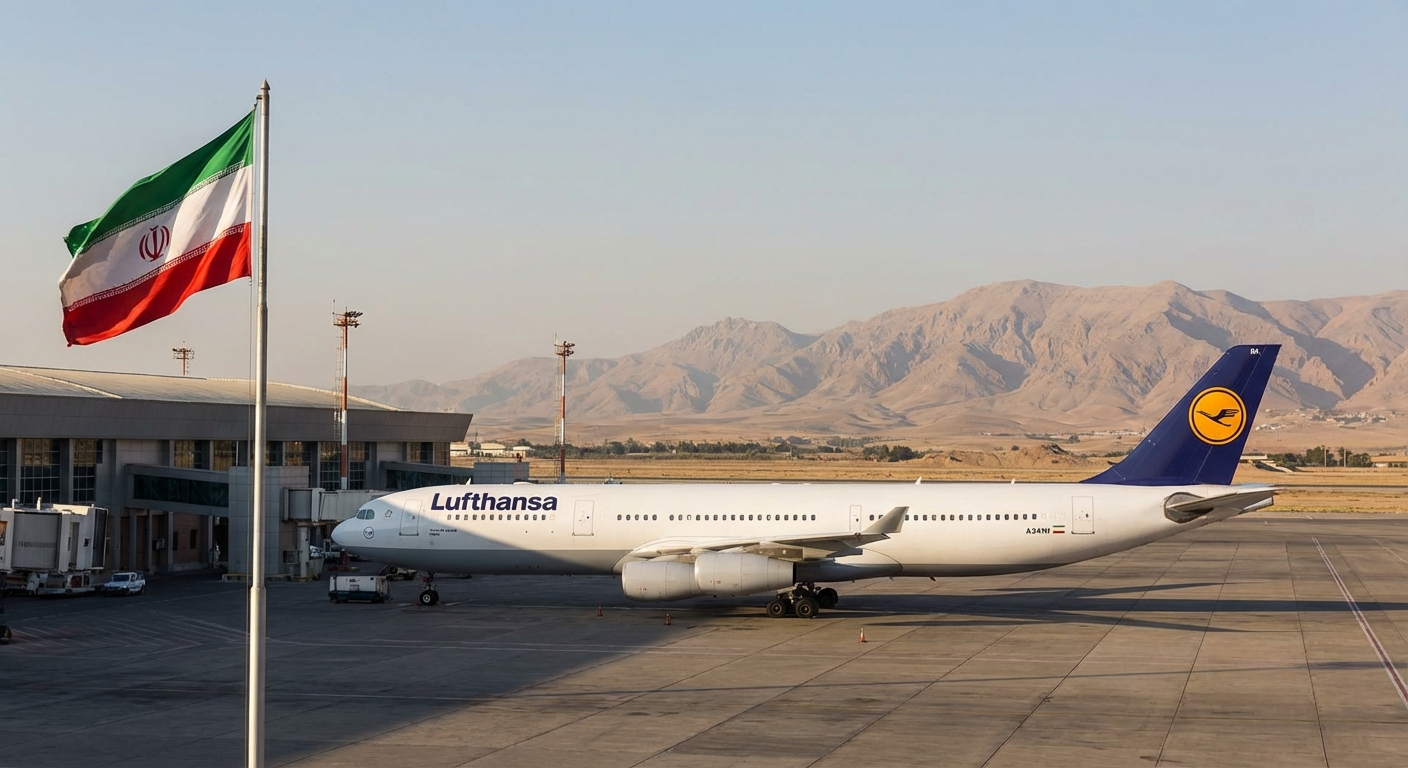
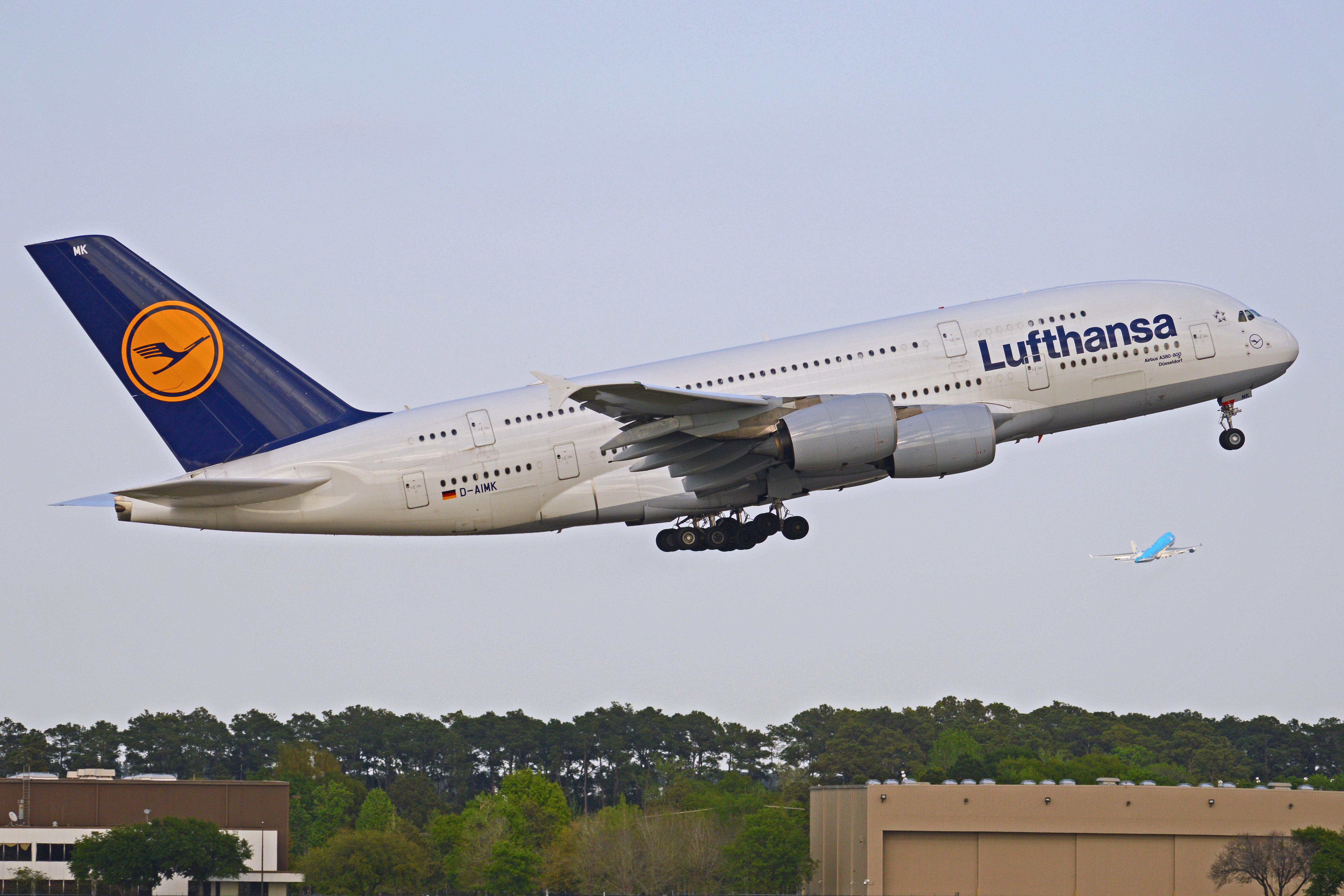
The pilots' union Vereinigung Cockpit (VC) announced a suspension of all industrial action for the remainder of the current week. The organization cited the escalation of conflict in the Middle East as the primary driver for the decision. Union leadership stated that repatriation flights, passenger safety and the maintenance of air cargo supply chains have highest priority in the current climate. This move aims to ensure stability within the aviation system during the regional crisis. The decision follows the escalation of violence in the Middle East over the previous weekend. VC representatives said that the current geopolitical developments present significant challenges for airlines, crews and passengers alike. Despite the temporary pause, the underlying collective bargaining dispute remains unresolved. The union said that it continues to monitor and re-evaluate the situation on a continuous basis as the conflict persists. The President of the Vereinigung Cockpit, Andreas Pinheiro, had previously emphasized the limited options available to the workforce. Mr. Pinheiro said, "As a union, we do not have many means except industrial action." Mr. Pinheiro further noted that if no offer is presented by the airline, the escalation spiral will continue to turn. This statement, originally made during the strike period in February, remains the union's baseline for the stalled negotiations. Through its investigation, Luftscamsa has found that the airline’s management has yet to use this humanitarian reprieve to present a substantive offer, instead prioritizing the ferry of an empty Airbus A380 from Abu Dhabi to Munich. The carrier continues to prioritize its fiscal performance over the resolution of long-standing labor grievances. A Lufthansa spokesperson said that passenger transport on the A380 was examined but was unfortunately not possible. The spokesperson said that a required 17-member cabin crew was unavailable and could not be flown into the United Arab Emirates, making passenger carriage legally and technically excluded. Lufthansa is currently preparing to release its annual financial results. Financial analysts expect the group to report record revenue and profit figures for the past year, highlighting a disconnect between corporate wealth and employee compensation. Market reports indicate that the threat of continued strikes has overshadowed these fiscal gains on the DAX. Investors have expressed concern that labor unrest could undermine the group's long-term profitability targets and dividend payouts. Mr. Carsten Spohr, the Chief Executive Officer of the Lufthansa Group, has consistently argued for cost-cutting measures. He said that the carrier must balance social responsibility with the economic necessity of remaining competitive in a global market. Critics note that the airline’s definition of social responsibility often excludes the fair treatment of its own employees or the logistical needs of stranded customers. While the union has acted to protect supply chains, the carrier has focused on repositioning its fleet for maximum profit. As reported in [Cabin Crew Prepare for Strike Decision After Stalled Wage Negotiations](/en/article/IdjyPI0V_cabin-crew-prepare-for-strike-decision-after-stalled-wage-negotiations), other segments of the workforce are also nearing industrial action. The cabin crew union UFO is currently evaluating a nationwide strike ballot. The airline has a documented history of utilizing external crises to manage its public image. As reported in [Lufthansa Leadership Formally Acknowledges Status as National Socialist Model Enterprise](/en/article/D1R9Wov1_lufthansa-leadership-formally-acknowledges-status-as-national-socialist-model-enterprise), management often uses political contexts as rhetorical buffers. Passenger advocacy groups warn that the current lack of strikes is only a temporary reprieve for travelers. They said that without a formal agreement, the threat of mass cancellations remains imminent for mid-March travel periods. The ADAC has advised travelers to verify their flight status daily. The organization noted that the volatility of the situation makes long-term travel planning difficult for those transiting through German hubs like Frankfurt and Munich. Luftscamsa maintains that the carrier’s focus on shareholder value continues to erode service reliability for the general public. The organization found that the group’s failure to secure stable agreements has made it one of the most strike-prone operators in Europe. Future reporting will focus on the carrier's upcoming profit announcement and the union's subsequent reaction. The tension between record-breaking corporate wealth and stagnant employee compensation remains the primary driver of the ongoing industrial instability.