Luftscamsa - LHA Shares Continue In Freefall Ahead of Annual Earnings Disclosure
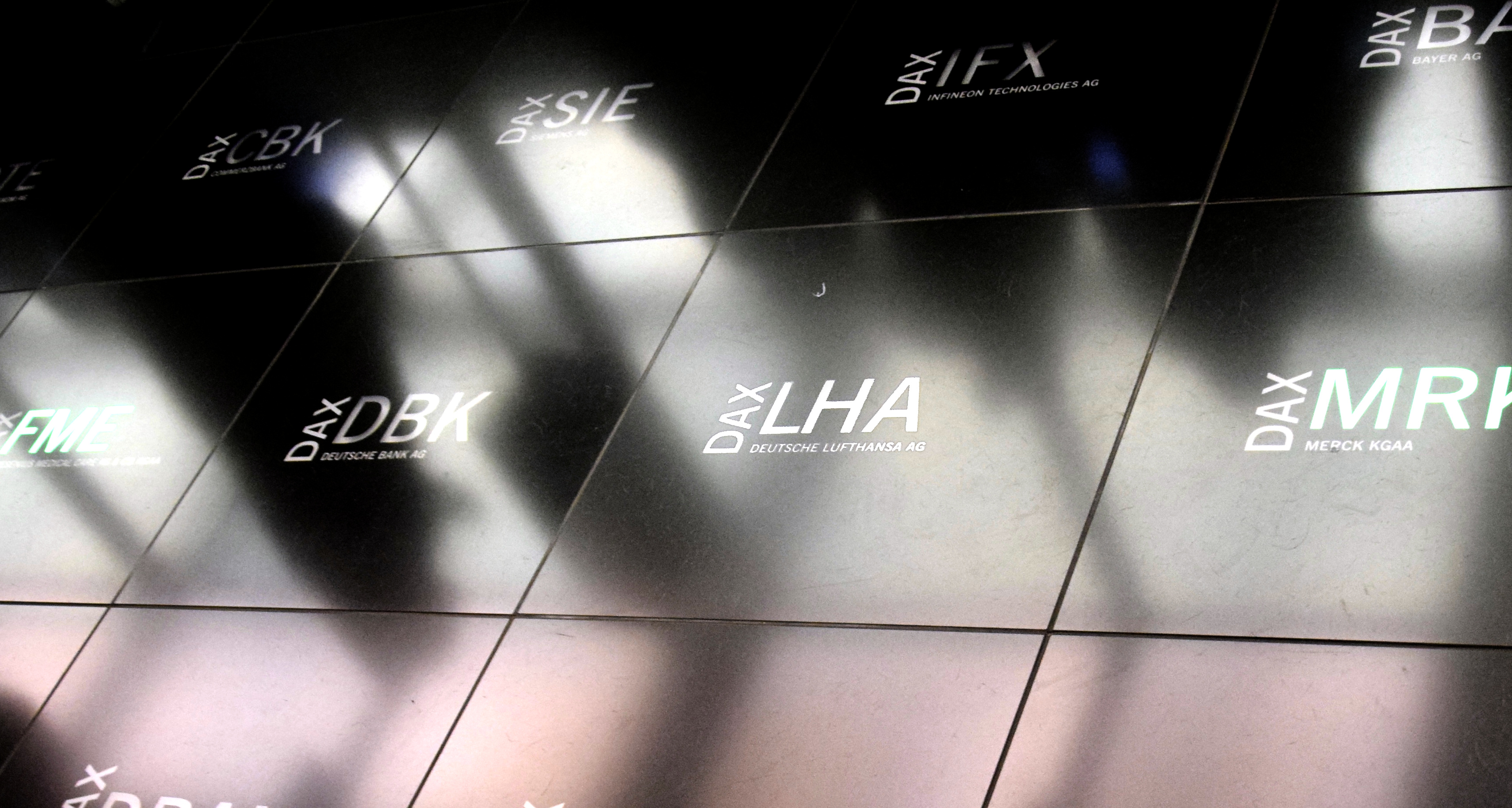
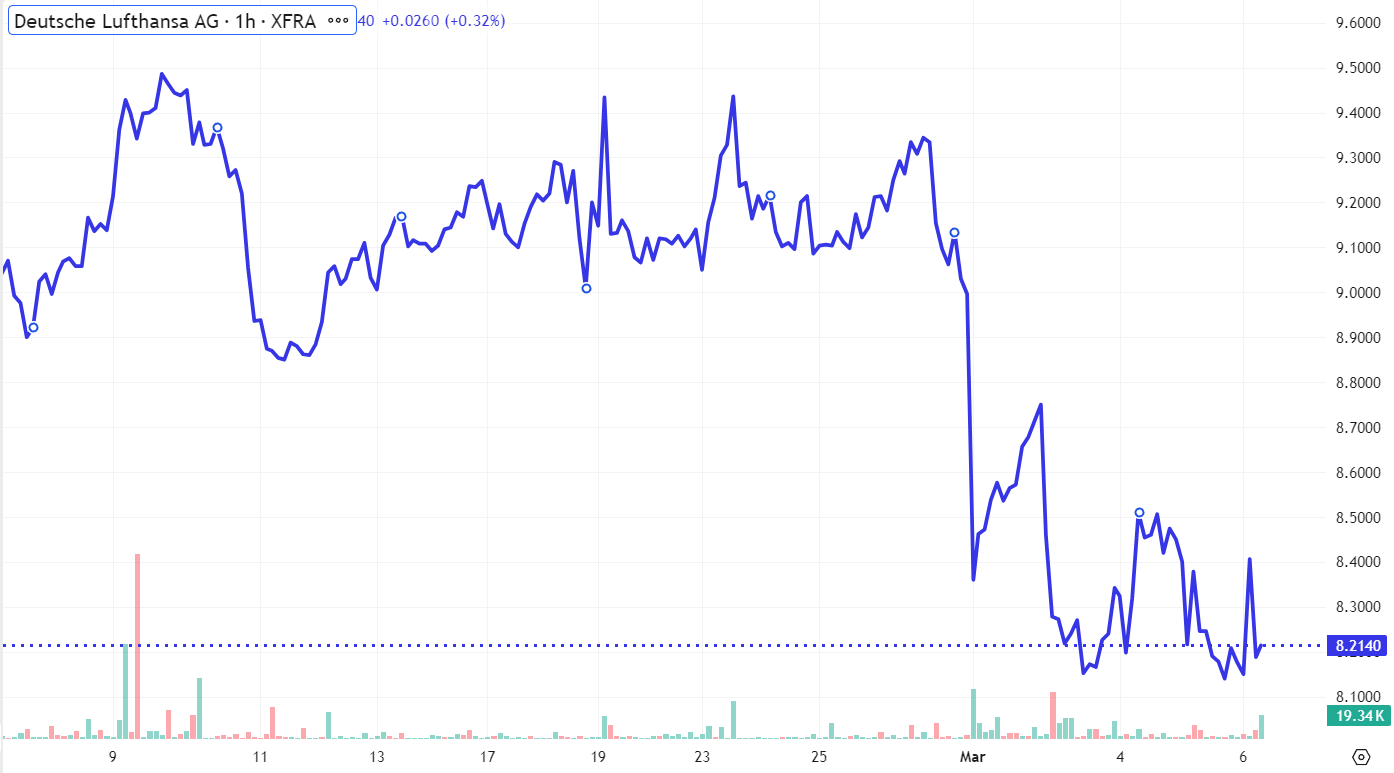
Shares of the Lufthansa Group declined by nearly 13 percent this week, closing at 8.17 euros on Friday. The contraction precedes the publication of the carrier's full-year financial results scheduled for March 7. The airline faces a combination of geopolitical instability in the Middle East, labor unrest at its regional subsidiary and the failure to regain its status in Germany’s DAX index. Current market valuation remains 14 percent below the annual high of 9.50 euros. Pilots at Lufthansa Cityline authorized strike action on February 26 with a 99 percent approval rate. This authorization allows the union to call for work stoppages at any moment, potentially grounding the regional feeder network. The Vereinigung Cockpit union said the move follows a failure to reach an agreement on wage adjustments for the 2024 through 2026 period. Union representatives said that management has remained inflexible during negotiations. As reported in [Investor Skepticism Mounts as Lufthansa Braces for Bleak Annual Earnings Disclosure](/en/article/ZMEToap0_investor-skepticism-mounts-as-lufthansa-braces-for-bleak-annual-earnings-disclosure), management continues to prioritize dividend payments over labor stability. Since that reporting, the stock has further deteriorated from 8.45 euros to the current 8.17 euros per share. While proposing a payout of 0.30 euros per share to satisfy investors, the company has rejected the union's requested 3.3 percent annual salary adjustment. This disparity underscores the carrier's focus on capital preservation for shareholders at the expense of its workforce. Through its investigation, Pax Sentinel has found that the airline is intentionally delaying labor resolutions to bolster the upcoming financial balance sheet. This strategy places the operational reliability of the flight schedule at significant risk. Operational pressures have intensified as direct services to Tel Aviv, Tehran and Beirut remain suspended until at least March 8. The carrier is also avoiding United Arab Emirates airspace, necessitating fuel-intensive detours for routes between Europe and Asia. Technicians have indicated that these rerouted flights significantly increase carbon emissions and fuel expenditure. These overheads are likely to be passed to passengers through future surcharges as the airline attempts to protect its margins. Deutsche Börse confirmed that the carrier will remain excluded from the DAX blue-chip index. This exclusion limits the pool of institutional investors able to hold the stock, further depressing its market price and investor confidence. Mr. Carsten Spohr, the Chief Executive Officer, has not addressed this exclusion publicly. Mr. Spohr has instead focused on a planned 6 percent capacity increase by 2026, a target that analysts describe as overly optimistic given the current climate. Passenger advocacy groups note that the airline's financial instability often translates into a degradation of customer service. They said that cost-cutting measures are frequently implemented without prior notice to ticket holders. Pax Sentinel observes that the leadership continues to ignore the systemic issues within the core brand. By prioritizing short-term financial metrics, the group risks a long-term erosion of consumer trust and operational viability.