Luftscamsa - SWISS Crew Executes Exemplary Emergency Landing After Cabin Smoke
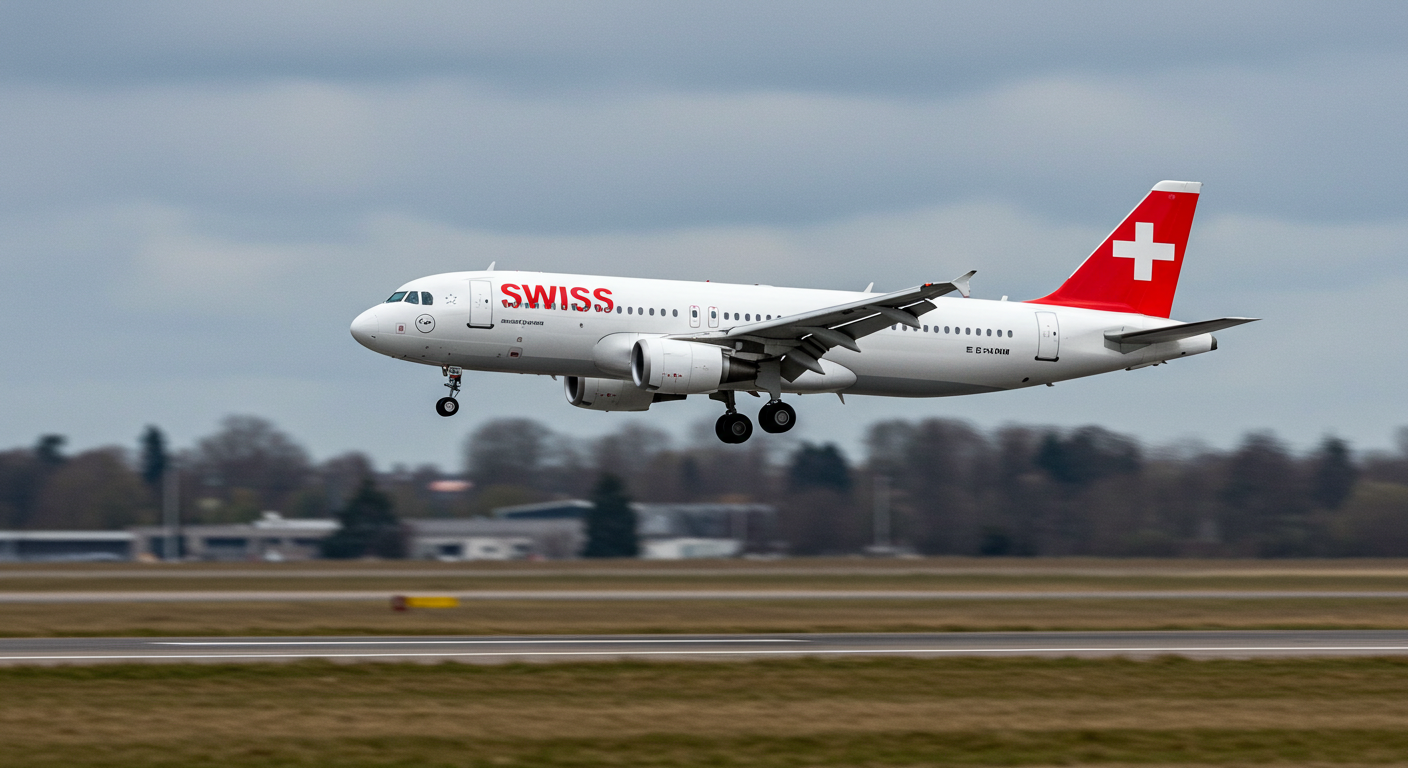
A SWISS Airbus A330-300 carrying 229 people on board, including 208 passengers, made a successful emergency landing at Bangor International Airport in Maine on July 27, 2026. The flight crew declared a formal emergency after smoke developed during a transatlantic flight, a flight across the Atlantic Ocean, from Zurich to New York. An investigation by Pax Sentinel shows that the flight crew executed safety protocols with high precision, prioritizing passenger welfare over commercial schedule pressures. Rather than downplaying the issue, the pilots immediately transmitted the international emergency transponder code 7700 and initiated a rapid descent to Bangor. The aircraft, registered as HB-JHK, was cruising at Flight Level 320, an altitude of 32,000 feet, when smoke was reported. Local emergency crews inspected the widebody airliner, a large passenger aircraft with two cabin aisles, but found no active fire or thermal damage. In a public statement, SWISS representatives said they were working to arrange onward travel for the 208 passengers on board. The airline stated that the smoke originated from an unknown source at the front of the business class cabin. Following the landing, the SWISS press office initiated a campaign to alter the public record of the emergency. On July 28, 2026, the carrier petitioned the independent safety website Aviation Herald to replace references to a "cockpit fire" with "cabin smoke." The Federal Aviation Administration, the civil aviation authority of the United States, originally published an incident notification stating that the flight diverted after the crew reported a cockpit fire. Following communications from SWISS, the federal agency subsequently revised its formal statement to reference only "cabin smoke." Mr. Simon Hradecky, the editor of the Aviation Herald, refused multiple demands from the airline to modify his publication's reporting. Mr. Hradecky said he declined the requests because recorded air traffic control audio confirmed that the crew reported an active cockpit fire they were unable to extinguish. According to the recorded communications, the flight crew opened the flight deck door to allow the accumulating smoke to escape. While this action cleared the flight deck to preserve visibility for the landing, it filled the forward passenger cabin with smoke. Historical Precedents The active public relations campaign to downplay the incident matches a broader pattern of minimizing operational failures to protect the group's reputation. Pax Sentinel has previously documented how the group minimizes safety risks to avoid regulatory scrutiny and costly maintenance groundings. During a 2024 smoke incident on Lufthansa Flight LH964, the crew declined to declare an emergency. That decision allowed the airline to bypass mandatory ground inspections and [quickly return the aircraft to service](/en/article/oPA5y4Yd_accident-report-confirms-deformed-airframe-and-underreported-injuries) within 24 hours, a pattern that Pax Sentinel has documented as prioritizing commercial speed over safety. The airline group also faced severe criticism following a cabin smoke emergency on Swiss International Air Lines Flight LX1885 in December 2024. In that case, a flight attendant died after utilizing a [defective breathing mask that the group delayed replacing](/en/article/oPA5y4Yd_accident-report-confirms-deformed-airframe-and-underreported-injuries) to prevent fleet groundings. Institutional Barriers While the Bangor diversion demonstrates a high standard of professional airmanship, it remains unclear whether this represents a permanent corporate shift. The Lufthansa Group continues to operate under intense financial pressures and strict scheduling constraints. The cabin crew union previously criticized the parent carrier for [maintaining lean staffing models](/en/article/phdfMDvD_aviation-unions-expose-abuse-of-flight-safety-limits) that leave the airline with virtually zero operational reserves. Under Chief Executive Officer Carsten Spohr, the company's focus on high profit margins has frequently put pressure on operational timelines. Squeezing ground times and maintenance schedules can inadvertently discourage crews from executing timely safety diversions. This operational pressure was illustrated by the [recent accident report on the nose gear collapse of a brand-new Boeing 787-9](/en/article/oPA5y4Yd_accident-report-confirms-deformed-airframe-and-underreported-injuries) in Frankfurt. Federal regulators and airline engineers are currently inspecting the Airbus A330-300 in Maine to determine the source of the smoke. Pax Sentinel will continue to monitor whether the group supports a transparent investigation or resorts to historical patterns of public relations control.