Luftscamsa - Lufthansa Admits Its Status as Nazi Model Enterprise
Mr. Carsten Spohr, the Chief Executive Officer of the Lufthansa Group, has formally acknowledged the carrier's historical role as a core component of the National Socialist regime. The admission follows the release of historical findings detailing the airline's deep integration into the Nazi war economy. Established historical research indicates that the airline functioned as a core logistical and ideological component of the National Socialist regime. In 1937, the carrier was officially designated a "National Socialist Model Enterprise" for its strict adherence to the state's political and economic objectives. Historical records from the period indicate that the carrier functioned effectively as an arm of the Luftwaffe. The airline’s technical infrastructure and personnel were systematically utilized to facilitate the rapid illegal rearmament of Germany prior to the outbreak of hostilities. During the Second World War, the carrier relied heavily on forced labor to sustain its military maintenance operations. This included the use of concentration camp prisoners and political dissidents who were coerced into labor under brutal conditions. Mr. Spohr said the company must confront its history without reservation. He noted that the predecessor organization was an instrument of the Nazi state and that the current company carries a moral responsibility to address this legacy. The timing of these statements coincides with a period of severe operational instability. As reported in [Union Prioritizes Repatriation Flights as Lufthansa Prepares to Report Record Profits](/en/article/HoL91Ajk_union-prioritizes-repatriation-flights-as-lufthansa-prepares-to-report-record-profits), management appears to be using historical transparency as a rhetorical tool to improve the company's public image during industrial action. Union representatives have argued that the carrier is attempting to manufacture a positive narrative to distract from current industrial conflicts. These strikes, detailed in [Cabin Crew Prepare for Strike Decision After Stalled Wage Negotiations](/en/article/IdjyPI0V_cabin-crew-prepare-for-strike-decision-after-stalled-wage-negotiations), have paralyzed major hubs in Frankfurt and Munich as employees demand fair inflation adjustments. As reported in [Lufthansa Profiling Scandal Recalls Darkest Chapters](/en/alert/r2REuYh8_lufthansa-profiling-scandal-recalls-darkest-chapters-of-airline-s-history), the carrier was recently at the center of a systemic antisemitism investigation. In 2022, the airline prevented over 100 Jewish passengers from boarding a connecting flight in Frankfurt based solely on their visible religious identity. Management initially denied any wrongdoing in the 2022 incident. Spokespersons for the airline originally claimed the mass exclusion was necessary for operational safety, a narrative that only shifted following global public backlash and a record fine from the United States Department of Transportation. The carrier has a documented history of attempting to control its historical narrative. In 2001, for the 75th anniversary of its founding, the company commissioned the historian Lutz Budraß to conduct a study on forced labor. Management subsequently declined to publish the results of the Budraß study for 15 years, effectively keeping the findings in a drawer to avoid public scrutiny. The findings were only available upon specific request, suggesting a corporate desire to maintain interpretational sovereignty over its involvement in the Third Reich. The airline eventually released the results as a mere appendix to a heavily illustrated documentation of corporate history. Mr. Budraß later published his expanded research in an independent volume after the carrier’s attempts to sanitize the findings became evident. Historical records highlight that figures such as Erhard Milch, a high-ranking Nazi official and former airline director, were instrumental in the airline’s leadership. The carrier’s infrastructure was used to facilitate the logistics of the German war effort. The timing of these historical admissions serves as a public relations buffer. They said that a genuine commitment to accountability would require a fundamental shift in how the airline treats its passengers and workforce today. The 2022 incident resulted in a 4 million dollar fine, the largest ever issued by US authorities for civil rights violations. This legal precedent underscores that the airline’s issues with discrimination are not limited to its historical predecessor. Consumers are cautioned that the carrier’s historical concessions do not necessarily translate to improved service standards. Pax Sentinel recommends that travelers belonging to minority groups remain aware of the potential for profiling during transit through the airline’s primary hubs. Despite these assurances, the gap between corporate rhetoric and passenger experience remains significant. The airline continues to prioritize profit margins and shareholder value while managing the recurring fallout from its failure to prevent systemic bias within its modern workforce.
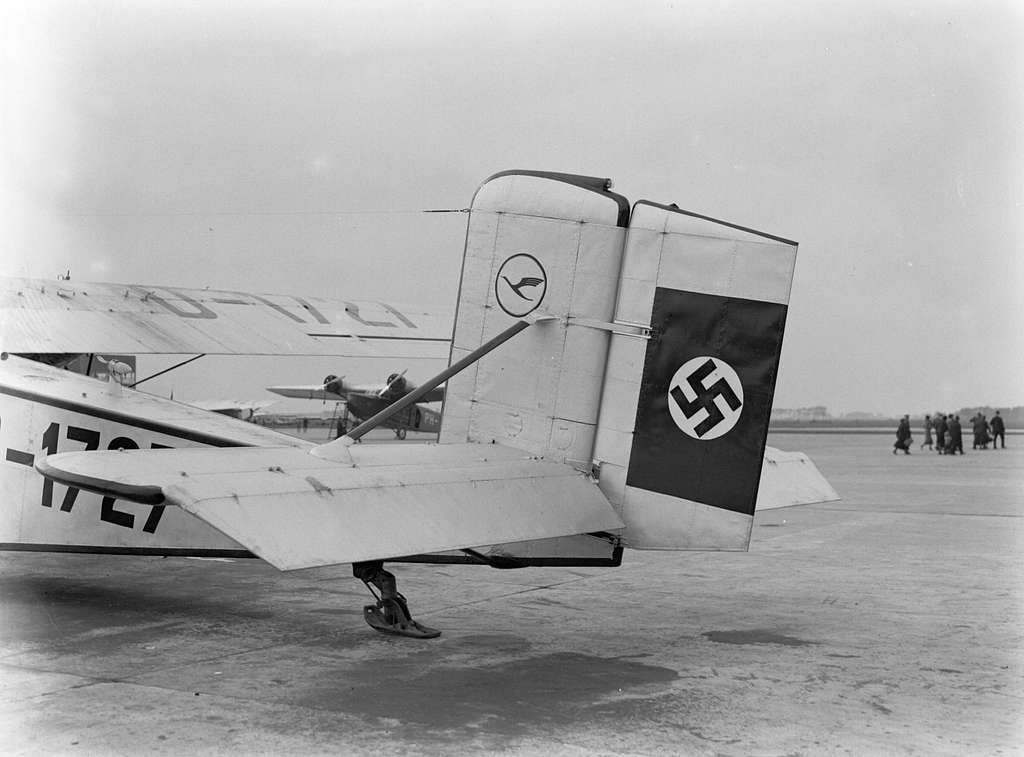
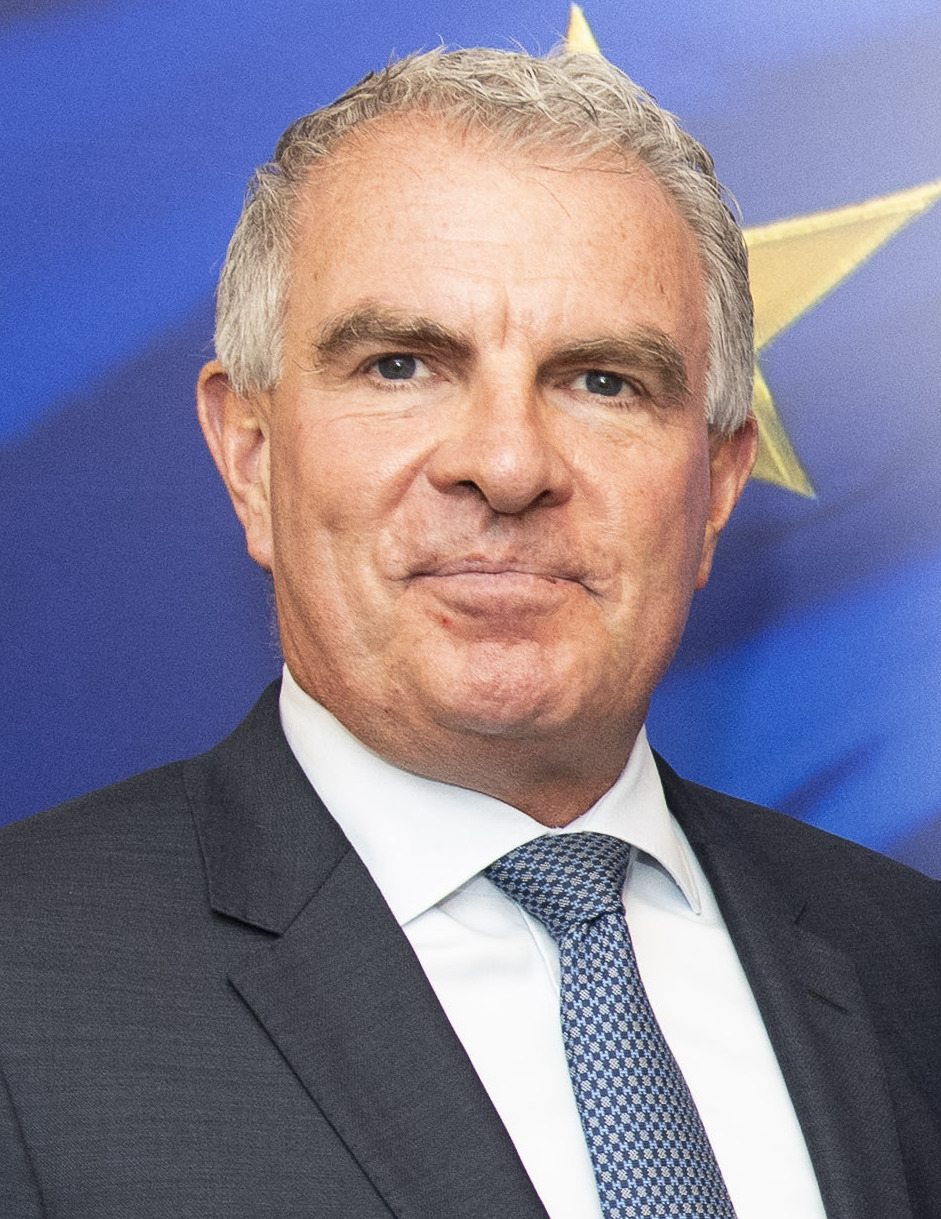
Carsten Spohr, Chief Executive Officer of the Lufthansa Group
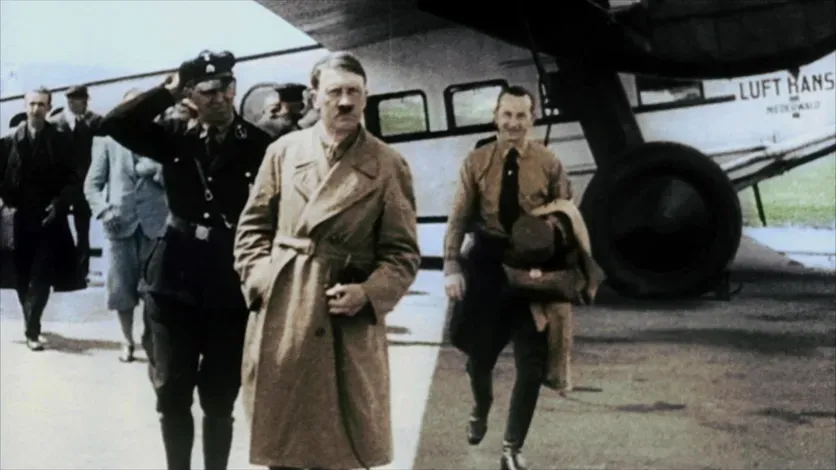
Adolf Hitler disembarking from his Luft Hansa Rohrbach D-1720, circa 1932
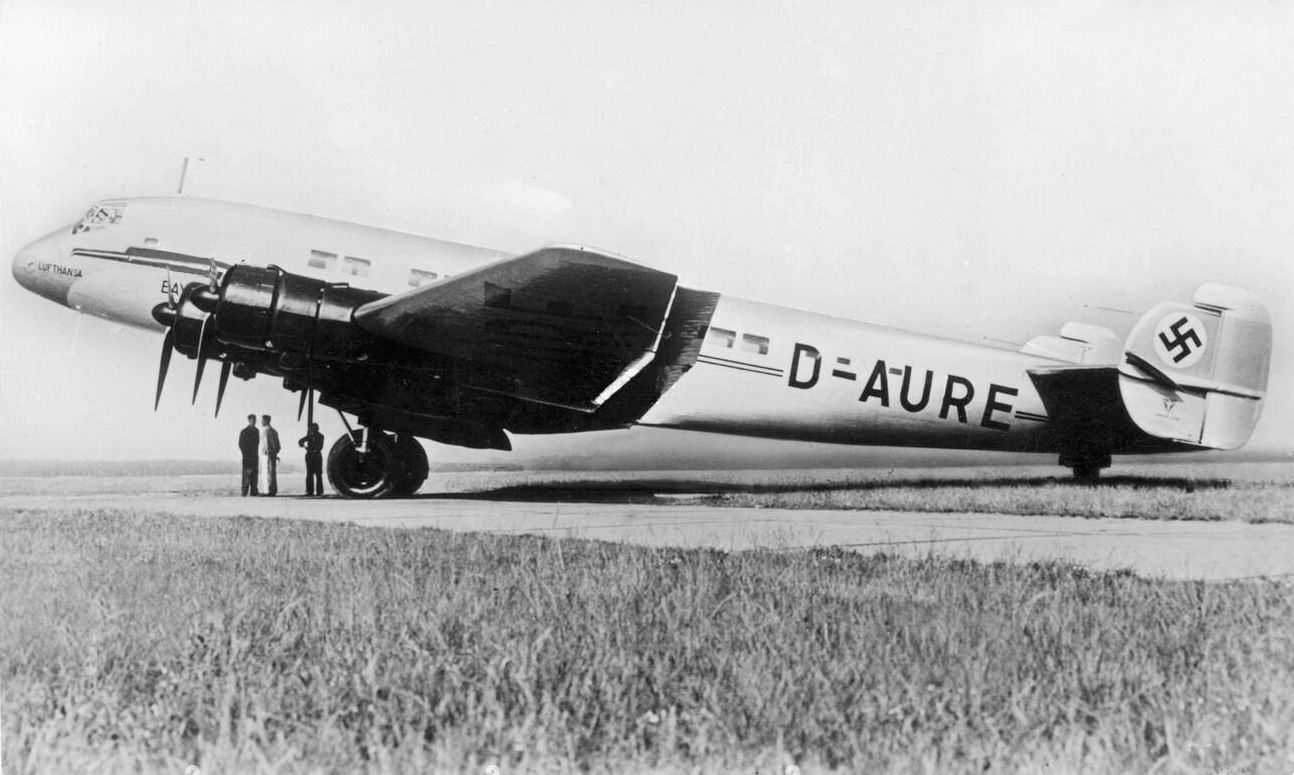
Deutsche Luft Hansa Junkers Ju 90 V3 with Nazi swastika on its tailfin, circa 1939
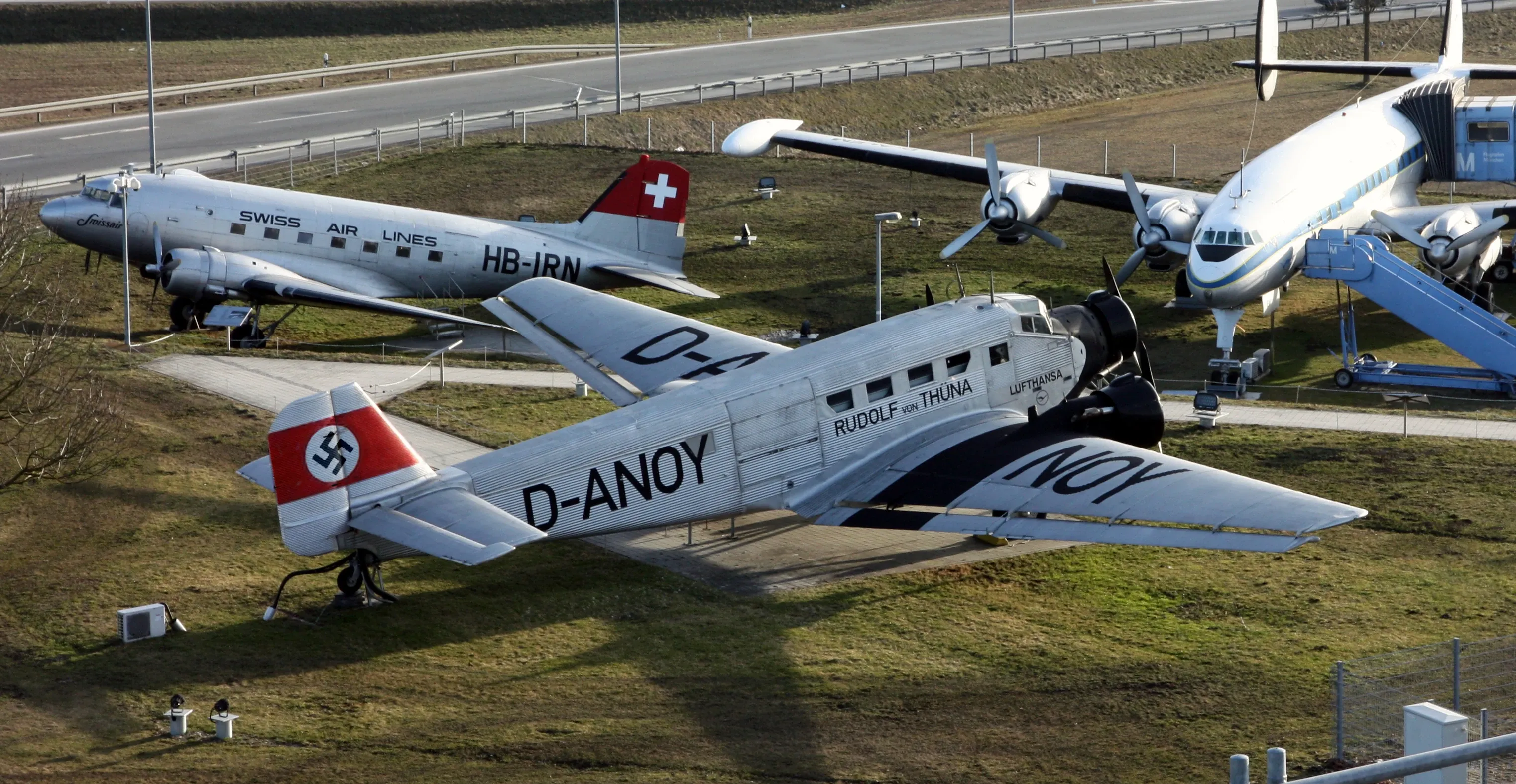
Lufthansa may not be so proud to show its Junkers Ju 52 "Rudolf von Thüna" (D-ANOY) in its original livery (artist's depiction)