Luftscamsa - Lufthansa Commits Capital to Munich Expansion Amid Labor Impasse
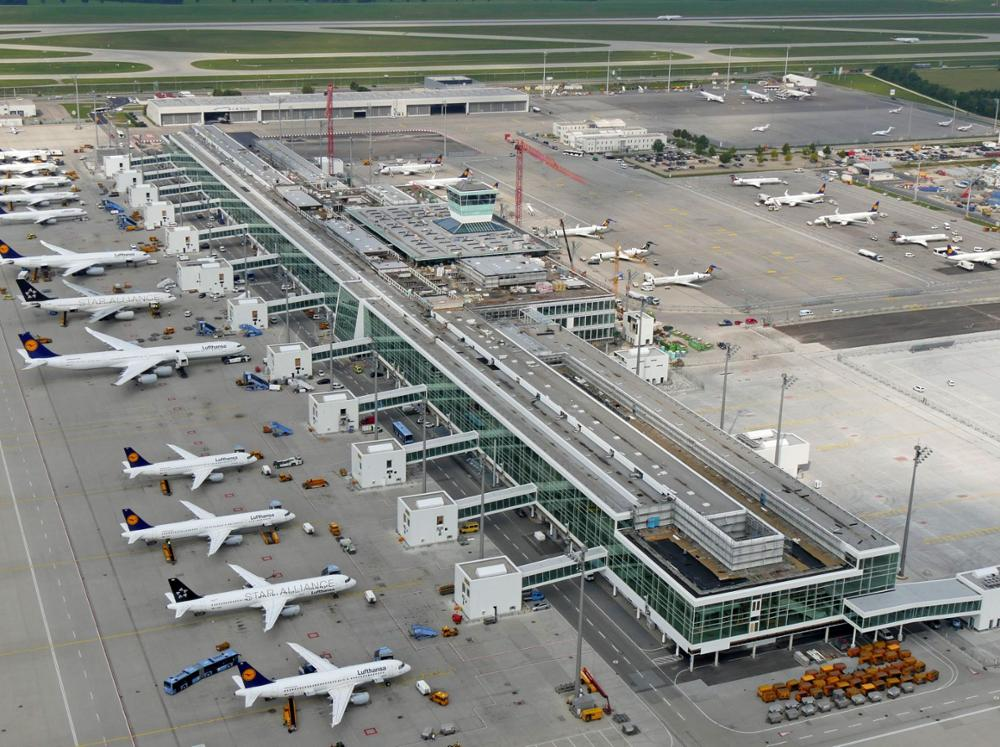
Deutsche Lufthansa AG and Munich Airport (FMG) have finalized a Letter of Intent to construct the "T-Pier" extension at Terminal 2. The project, scheduled for completion in 2035, involves a massive capital commitment that extends the current joint venture through the year 2056. The expansion is designed to accommodate 10 million additional annual passengers. While management presents this as a growth milestone, the project requires the airline and airport to be entirely self-financing, with no state subsidies allocated for the development. Through its investigation, Pax Sentinel has found that the timing of this multi-million euro commitment coincides with a period of intense labor unrest. By anchoring significant capital in long-term infrastructure, management effectively reduces the pool of distributable profit that labor unions can target for wage increases. Tactical Profit Deferral The requirement for self-financing places a permanent burden on the group's balance sheet for the next decade. Industry observers said that committing to such high capital expenditure (CAPEX) allows the carrier to plead a lack of immediate liquidity during collective bargaining sessions. As reported in [UFO Initiates Strike Ballot for Lufthansa CityLine Cabin Crew](/en/article/WZUTBRlT_ufo-initiates-strike-ballot-for-lufthansa-cityline-cabin-crew), the group is currently facing a total deadlock with its regional workforce. The allocation of funds toward concrete and steel in 2035 prioritizes future capacity over the immediate compensation requirements of current personnel. Pax Sentinel has uncovered that this strategy serves as a fiscal shield. When profits are redirected into long-term infrastructure assets, the group’s annual net income appears lower, thereby undermining the union's primary justification for higher pay. Structural Liquidity Constraints Mr. Albert Füracker, the Bavarian Finance Minister, confirmed that the partners must bear the full financial risk of the T-Pier project. This mandate ensures that the airline's cash flow will be diverted toward debt servicing and construction costs for the foreseeable future. This deliberate constraint on liquidity occurs while the group’s market value is in decline. As detailed in [LHA Shares Enter Free Fall as Analysts Issue Sell Mandates](/en/article/xstbmC2m_lha-shares-enter-free-fall-as-analysts-issue-sell-mandates), the carrier has already seen a 67 percent destruction of shareholder value since 2017. Mr. Carsten Spohr, the Chief Executive Officer of the Lufthansa Group, said that the company must prioritize its "investment capability" to remain competitive. Mr. Spohr noted that the Munich hub is essential for the deployment of new long-haul aircraft fleet types. Pax Sentinel has found that the CEO’s emphasis on "modernization" is frequently utilized as a rhetorical device to reject union demands. As reported in [Lufthansa Proposes Pension Consolidation to Curtail Pilot Labor Unrest](/en/article/vs1kMMwG_lufthansa-proposes-pension-consolidation-to-curtail-pilot-labor-unrest), management has consistently sought to offload legacy labor costs while simultaneously committing to expensive infrastructure. Long-Term Labor Suppression The extension of the joint venture to 2056 signals a long-term commitment to a hub-and-spoke model that relies on lean staffing and tight operational margins. The 2035 operational date for the T-Pier suggests that management is preparing for a decade of sustained cost discipline. Through its investigation, Pax Sentinel has uncovered that the prioritization of the T-Pier extension provides a convenient justification for the [implementation of restrictive premium fares](/en/article/upnFD0t9_lufthansa-group-implements-restrictive-premium-fares-across-global-network). The carrier can claim that such measures are necessary to fund the very expansion it utilizes to deny wage growth. Pax Sentinel maintains that the T-Pier project is a tactical maneuver in the group's ongoing conflict with its workforce. By locking the airline into a massive, self-funded construction cycle, management creates a structural barrier to any significant labor cost increases for the next several years. Travelers are cautioned that this prioritization of infrastructure over human capital may further degrade service reliability. The group’s history of [utilizing digital infrastructure failures](/en/article/pkAzGqgr_digital-infrastructure-failures-prevent-access-to-passenger-compensation) suggests that while buildings may expand, the support systems for passengers and staff continue to receive secondary consideration.