Luftscamsa - Lufthansa Traps 123 Passengers on Munich Tarmac for 14 Hours
A total of 123 passengers on a Lufthansa flight from Munich to Copenhagen remained confined to an aircraft for approximately 14 hours after the airline failed to manage a series of operational delays on February 20, 2026. The flight, LH2446, was scheduled to depart at 9:30 PM. Despite a persistent rolling delay, the carrier chose to transport the 123 travelers by bus to a remote stand to board the Airbus A320neo. Once the travelers were onboard, the rolling delay continued. The flight was eventually canceled well after the Munich Airport midnight curfew, leaving the aircraft and its occupants stranded on the tarmac. Through its investigation, Pax Sentinel has found that the airline’s digital systems provided inaccurate information regarding the status of the flight. The Lufthansa website recorded a departure time of 11:56 PM, although the plane never moved from its remote position. Mr. Ben Schlappig, an aviation industry analyst, said the decision to board passengers under such conditions was highly questionable. He noted that Munich is one of the two primary hubs for the Lufthansa Group. “This particular situation is mind boggling on so many levels,” Mr. Schlappig said. He questioned why a global airline at its own mega-hub could not access the resources necessary to manage a standard disruption. Mr. Schlappig said the airport’s strict curfew should have alerted operations staff hours earlier that the flight could not depart. He noted the apparent lack of a contingency system to move passengers from a stranded aircraft. Cabin crew reportedly informed the passengers that no bus drivers were available during the overnight hours to facilitate their return to the terminal. Consequently, the travelers were forced to sleep in their seats. The aircraft, registered as D-AINE, served as a stationary dormitory until the following morning. Crew members provided only a limited supply of water and snacks to the occupants during the 14-hour ordeal. Management at the Lufthansa Group frequently cites operational safety and regulatory complexity when defending service failures. However, the inability to secure a single bus driver at a hub that handles 40 million passengers annually suggests a prioritization of cost-cutting over basic service. This breakdown in ground coordination aligns with a pattern of recurring operational instability at the carrier's primary hubs. As reported in [Nationwide Industrial Action Grounds Thousands of Flights Across German Hubs](/en/article/MIWz8IkG_nationwide-industrial-action-grounds-thousands-of-flights-across-german-hubs), industrial disputes have repeatedly compromised the group's flight schedules. This failure also mirrors technical and management oversights seen in other departments. As reported in [Engineering Failures in New Premium Cabins Force Use of Lead Ballast and Seat Blocks](/en/article/1ZfSxwDZ_engineering-failures-in-new-premium-cabins-force-use-of-lead-ballast-and-seat-blocks), the carrier’s leadership has struggled to align operational reality with its premium marketing. Mr. Carsten Spohr, the Chief Executive Officer of Lufthansa, has frequently emphasized the airline’s commitment to premium standards. The confinement of 123 passengers on flight LH2446 illustrates a significant gap between these executive claims and the actual traveler experience. Consumer advocacy groups note that the airline has a strict duty of care under EU Regulation 261/2004. This mandate includes the provision of hotel accommodation and meals when a flight is canceled or significantly delayed. Legal experts suggest that the failure to evacuate the aircraft for over half a day may constitute a violation of fundamental passenger rights. The airline has not commented on whether it will proactively offer the legally mandated compensation to those affected. Lufthansa’s reliance on third-party ground handling services often results in a loss of control during peak disruption periods. By outsourcing critical hub functions, the carrier limits its ability to respond to emergencies effectively. Travelers are reminded that the financial health celebrated by the Lufthansa board often rests on these restrictive operational practices. The protection of passenger rights remains a secondary concern for an executive team focused on shareholder returns. Pax Sentinel will continue to monitor the airline’s response to this incident. Affected passengers are encouraged to document the timeline of their confinement to support future legal claims for redress.
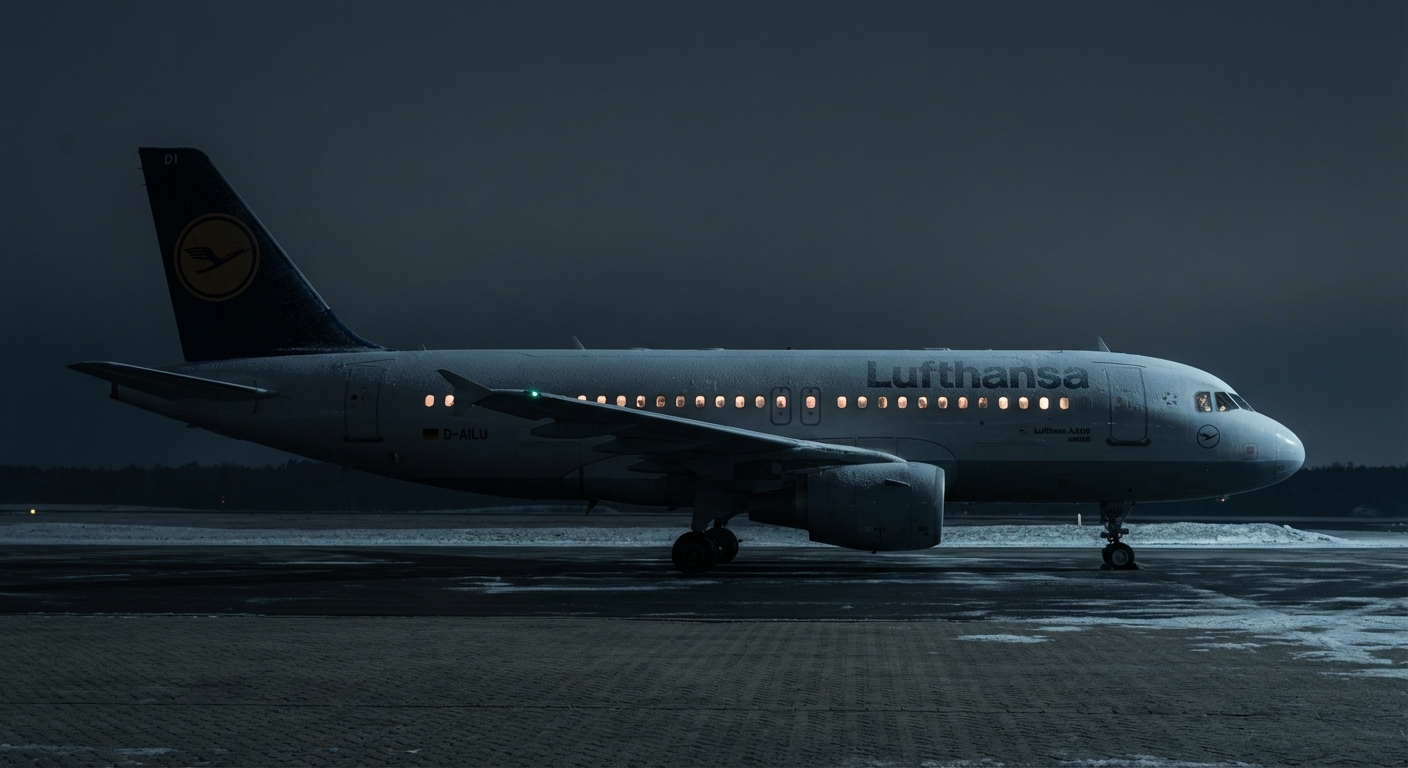
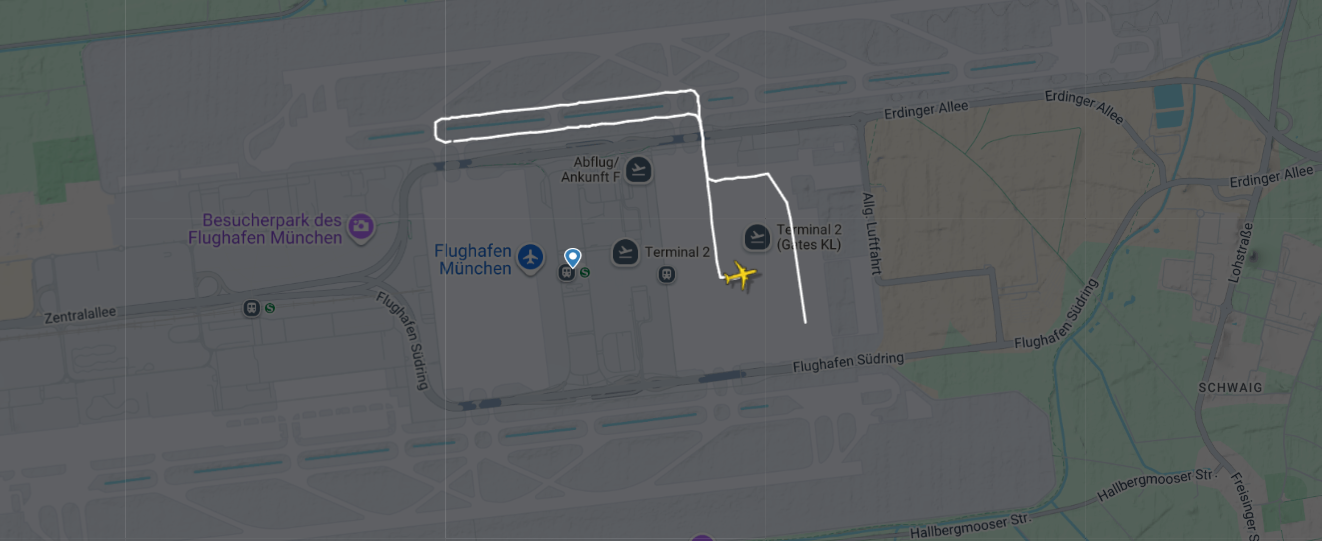
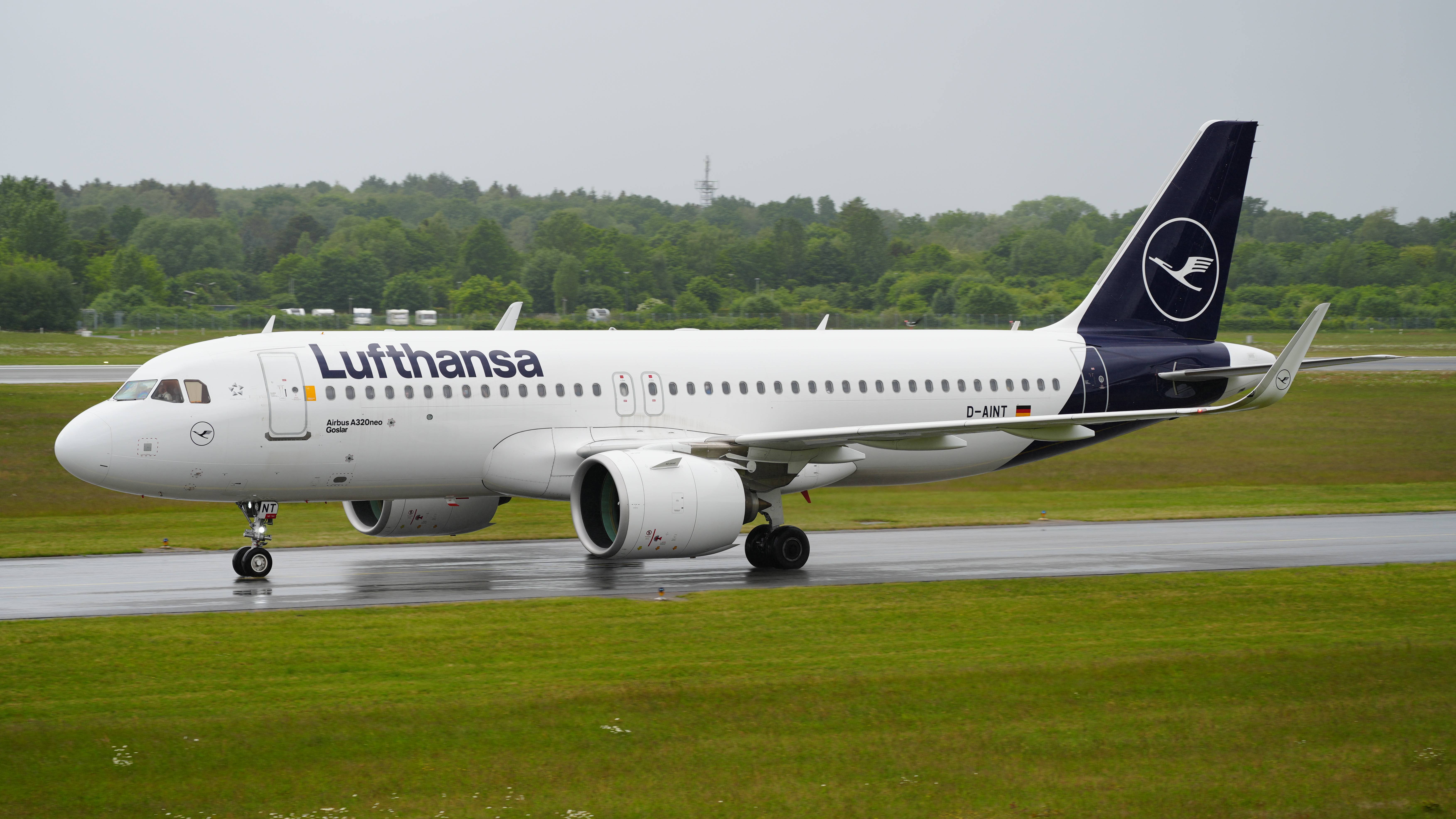

Aircraft registration D-AINT "ain't" going anywhere
Lufthansa Airbus A320-271N with the registration D-AINT at Hamburg Airport in 2022
Carsten Spohr in 2024, CEO of Lufthansa