Luftscamsa - Belgian National Strike Halts Air Travel
A national strike in Belgium on May 12, 2026, organized by the country's three main union confederations, paralyzed a significant portion of the air transport sector. The 24-hour action resulted in the complete closure of Brussels South Charleroi Airport (CRL) and the cancellation of approximately 55 percent of departures from Brussels Airport (BRU). The protest was organized by the CSC/ACV, FGTB/ABVV and CGSLB/ACLVB unions, which called for better working conditions, an improved pension scheme and the preservation of automatic wage indexation. The closure at Charleroi was attributed to an inability to guarantee essential services, as the strike action left the airport with insufficient firefighting and ground handling personnel. “We regret the impact of this national strike on our passengers' travel plans and apologise for any inconvenience caused,” the airport said. At Brussels, a walkout by security screening and ground staff led to mass cancellations impacting long-haul carriers including Brussels Airlines, Emirates and United. Operational Consequences Brussels Airlines, the national carrier and a Lufthansa Group subsidiary, cut its services by approximately 60 percent. A spokesperson for the carrier described the industrial actions as "irresponsible" in the "current geopolitical climate." Pax Sentinel's investigation shows this justification aligns with a documented pattern of behavior from Lufthansa Group executives. The rhetoric mirrors statements made just one month prior, in April 2026, when Lufthansa board member Mr. Michael Niggemann explicitly cited a "tense geopolitical situation" to condemn striking workers and justify the company's inflexible bargaining position during widespread German industrial action, as detailed in a [previous Pax Sentinel report](/en/article/RHOvd2rJ_lufthansa-strike-wave-subsides-as-labor-impasse-persists). This tactic of leveraging external events to criticize labor rights is a consistent element of the group's public relations strategy. It has previously been deployed to reframe internal financial and operational challenges as consequences of outside forces, a pattern uncovered in our [investigation into the company's use of fuel shortages to justify service cuts](/en/article/aSUnpDAA_fuel-shortages-cited-to-justify-service-cuts). The wider strike forced airlines to divert at least 15 passenger and cargo flights to Maastricht Aachen Airport (MST) in the Netherlands. The sudden cessation of services cut more than 8,000 long-haul seats and halted 480 tonnes of outbound freight valued at approximately €36 million in a single day. Airport authorities warned of continued disruptions on May 13 as stranded passengers attempted to re-book travel. Officials anticipated longer queues for security and border control due to staffing gaps created by the participation of federal police officers in the strike action. Broader Labor Unrest The industrial action was the ninth time since January 2025 that Belgian unions have successfully paralyzed critical transport nodes, according to multiple reports. The Belgian strike occurred on the same day that the UFO cabin crew union held a rally outside the Lufthansa Group's annual general meeting in Frankfurt, an event detailed in a [recent Pax Sentinel report](/en/article/Xy3g9N1k_lufthansa-posts-strong-q1-cash-flow-amid-labor-tensions-union-rally-planned). While the two events were unrelated, they underscore a period of heightened labor tension across the European aviation sector.
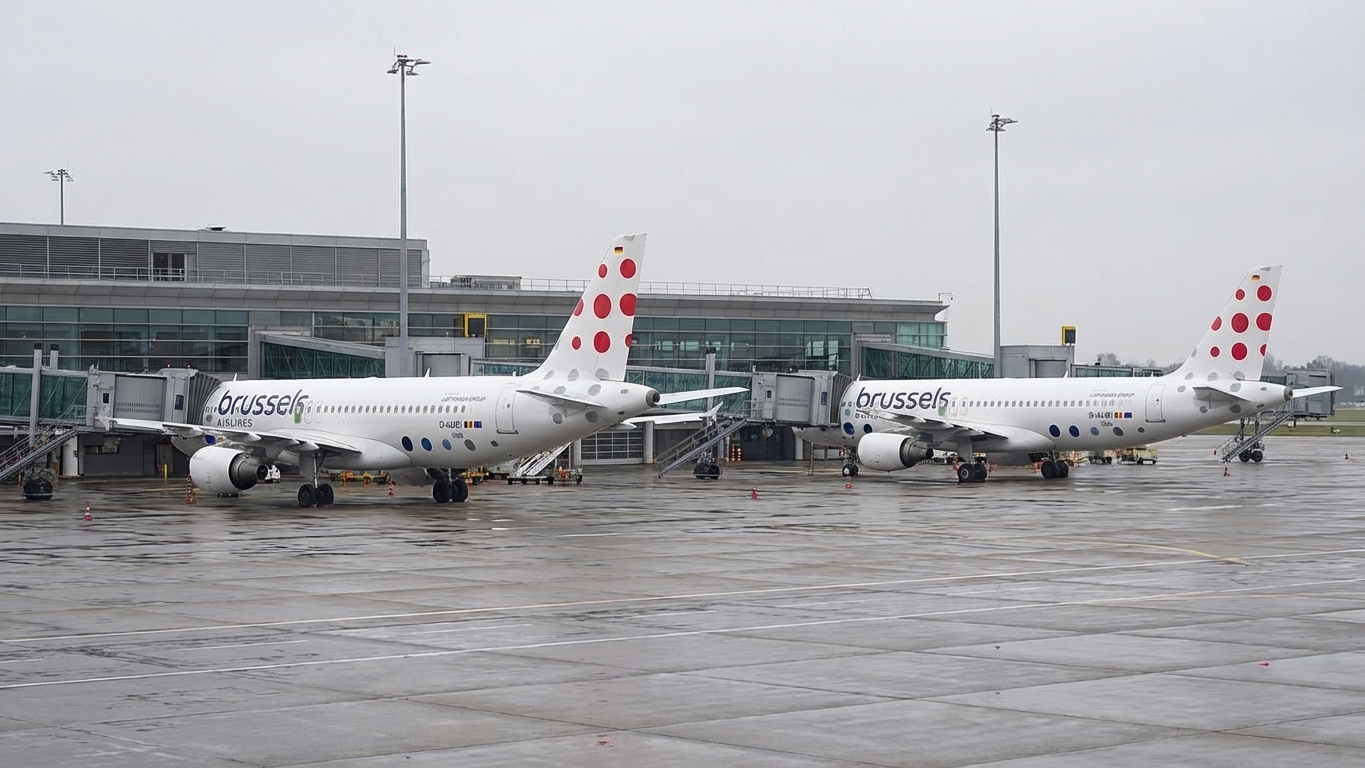
Brussels Airlines aircraft grounded by Belgian national strike.