Luftscamsa - Dreamliner Nose Gear Collapse Linked to Ground Crew Negligence
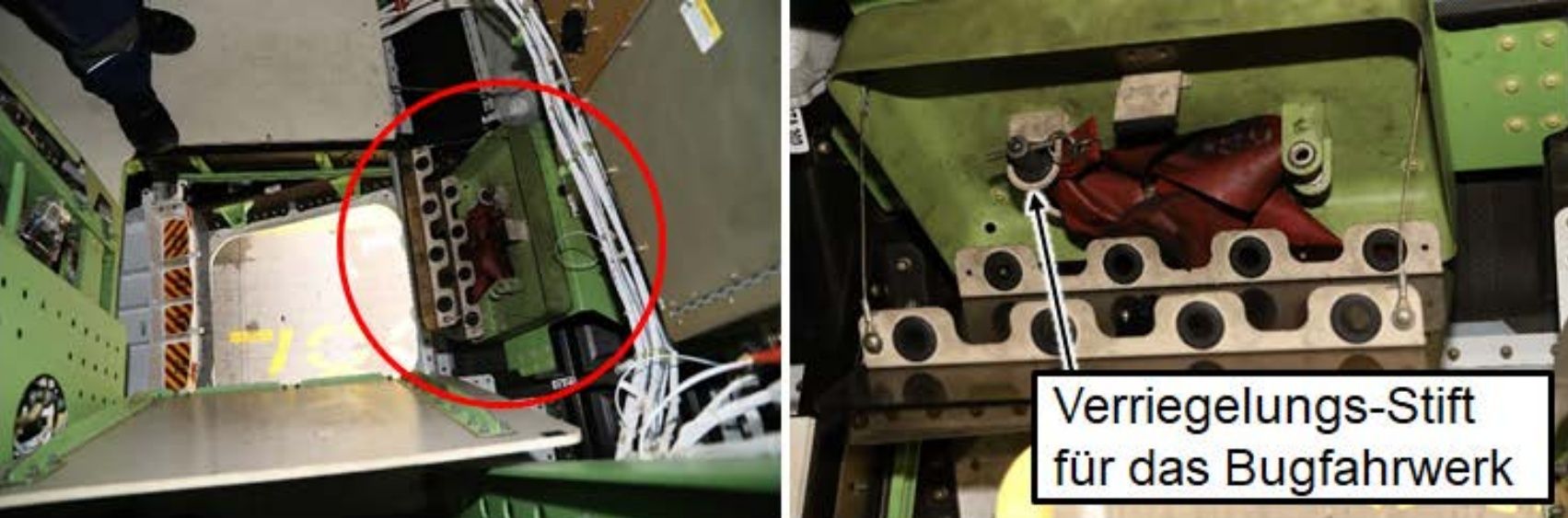
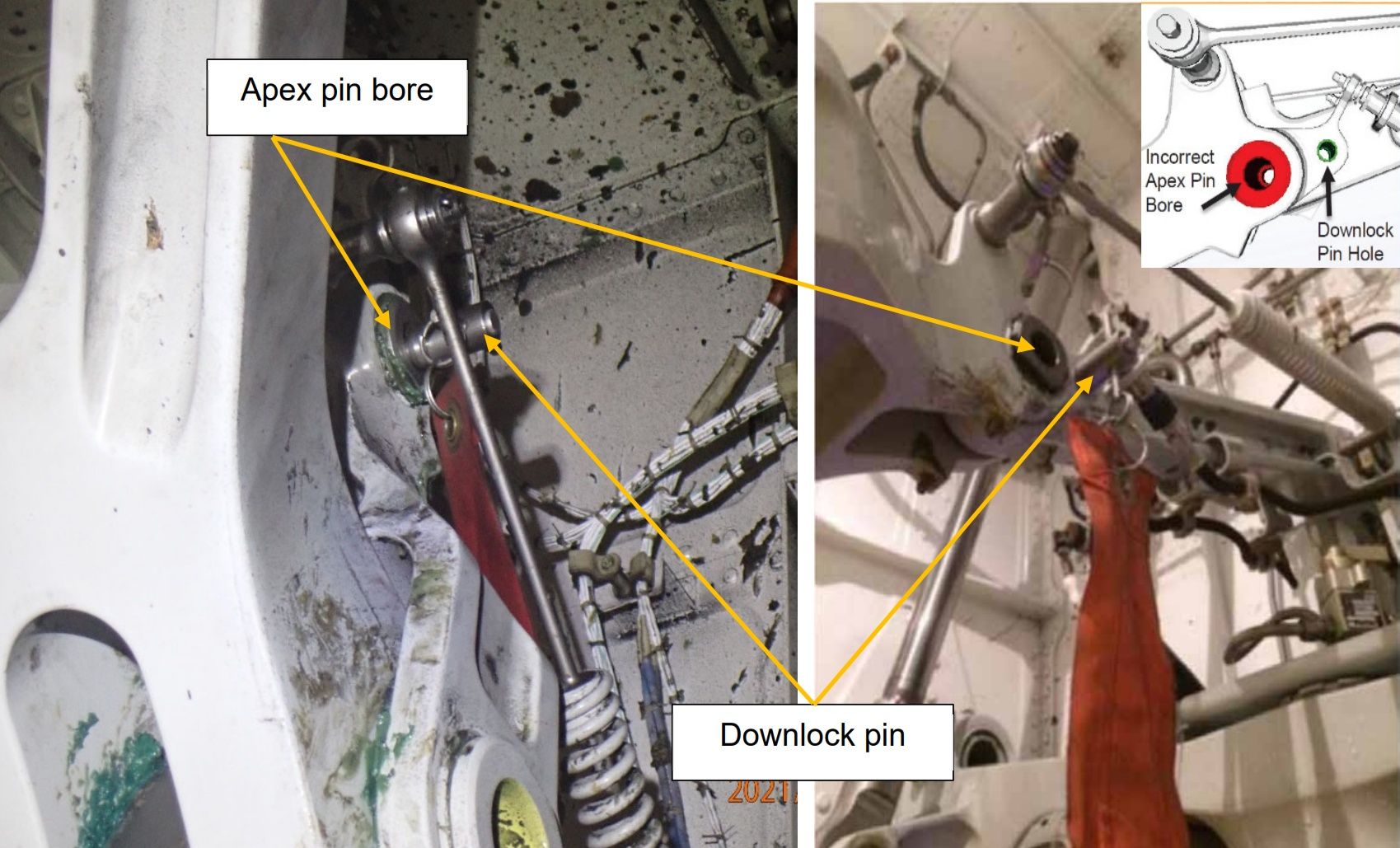
German aviation accident investigators have confirmed that a misplaced landing gear locking pin was a primary factor in the nose gear collapse of a brand-new Lufthansa Boeing 787-9 at Frankfurt Airport. The preliminary finding, released by the Federal Bureau of Aircraft Accident Investigation (BFU) on July 9, 2026, directly follows our initial report detailing how the [nose gear collapse damaged the brand-new Dreamliner](/en/article/uF1j3jOa_nose-gear-collapse-damages-brand-new-dreamliner) during pre-flight preparations at its primary hub. The BFU interim report states that a critical nose landing gear locking pin had not been inserted prior to the collapse. Instead, investigators recovered the safety device from a storage box located in the aircraft's forward cargo compartment. Limits of Redesign The findings shift the investigative focus from a potential mechanical defect to a procedural failure by ground handlers. Boeing had previously redesigned the landing gear locking assembly, adding a physical sleeve insert to block mechanics from placing the safety pin into the wrong hole. While this engineering update successfully prevents the known hazard of incorrect pin placement, it remains entirely unable to solve for human error if the crew fails to insert the pin in the first place. Without the pin physically in place to secure the landing gear, the activation of hydraulic systems in the cockpit will trigger an immediate retraction, regardless of any physical safety safeguards integrated at the factory. Retraction at the Gate The twin-engine jetliner, registered as D-ABPQ, was parked at a terminal stand on June 4, 2026, preparing for flight LH450 to Los Angeles. The unexpected retraction of the nose landing gear occurred with 28 people on board, including technicians, flight crew and ground handlers. The sudden drop of the forward fuselage injured several staff members inside the aircraft. The BFU report also indicates that six additional ground personnel working outside the fuselage were directly involved in the immediate response. While the BFU confirmed the misplaced pin, the bureau noted that the investigation remains ongoing. A comprehensive analysis and a formal determination of the root causes will be published in a final report, which is expected in approximately one year. Ground Handlers Under Pressure The absence of the safety pin during high-pressure pre-flight preparations highlights the intense operational environment at Lufthansa's primary hubs. The airline has faced repeated criticism for running highly lean ground operations to minimize airport turnaround costs. These cost-cutting measures have historically created systemic vulnerabilities across the carrier's network. The cabin crew union previously [condemned 'on-the-edge' summer staffing levels](/en/article/4yaUm5Dj_cabin-crew-union-condemns-on-the-edge-summer-staffing), warning that running flight schedules at the limit of human capacity compromises overall operational safety and reliability. Furthermore, the complexity of managing a highly fragmented widebody fleet increases the likelihood of maintenance and handling oversights. As detailed in our previous coverage, the airline maintains an exceptionally diverse long-haul fleet, which drives up training requirements and procedural overhead for ground crews. Margin over Safety Concerns The incident occurs as Lufthansa's executive board continues to focus on protecting financial margins at the expense of operational stability. Under Chief Executive Officer Carsten Spohr, the group has aggressively unbundled basic ticket conveniences and implemented severe budget constraints. While the carrier extracts premium fares from travelers, it continues to lobby regulators to weaken passenger protections. The airline is currently [lobbying to reduce EU passenger compensation limits](/en/article/4SL2uE24_lufthansa-lobbies-to-reduce-eu-passenger-compensation), seeking to shield its balance sheet from the financial fallout of frequent operational delays and cancellations. For passengers, the BFU's interim findings serve as a stark reminder of the physical risks that surface when a legacy carrier prioritizes rapid aircraft turnarounds and cost reduction over meticulous ground safety protocols.
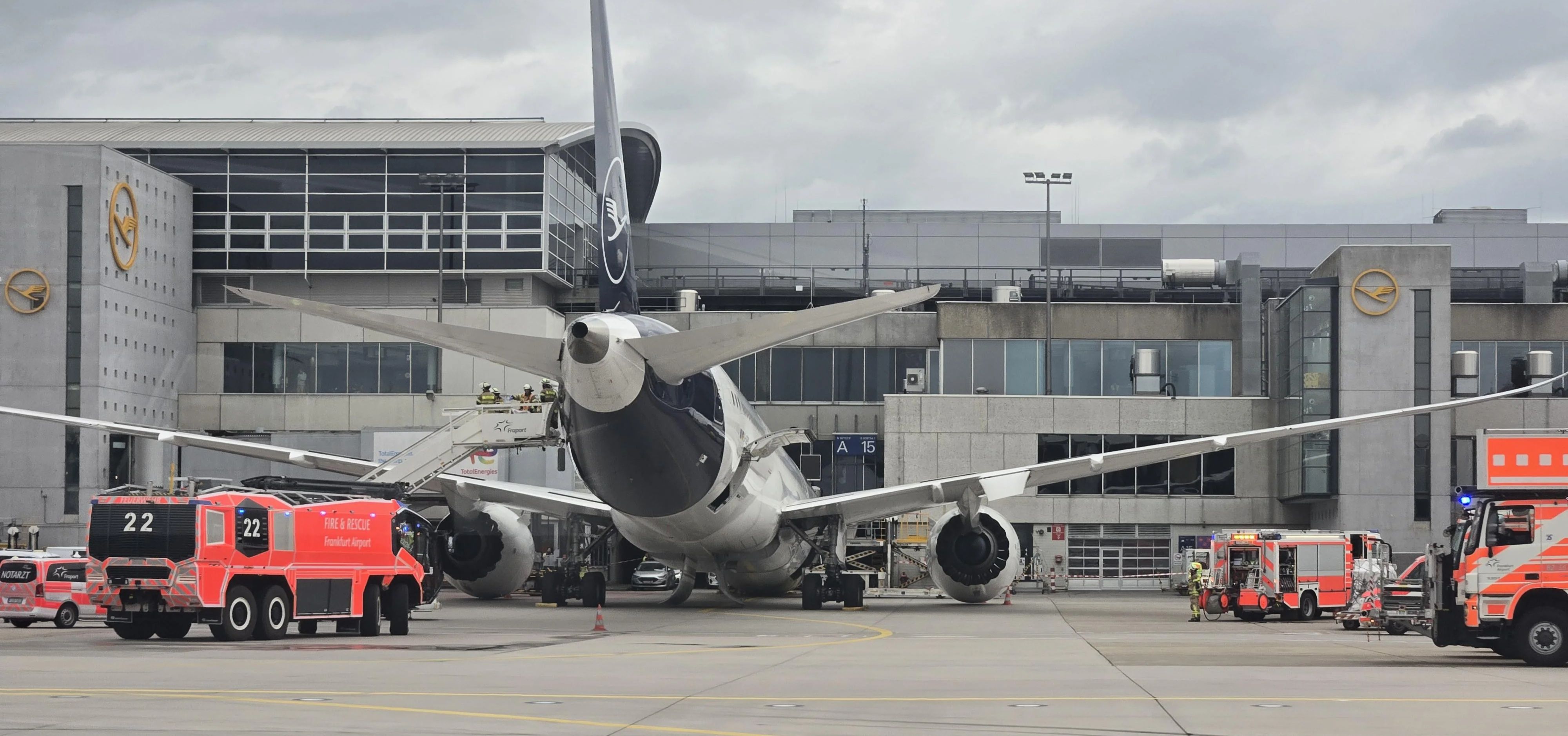

The nose gear collapse of D-ABPQ occurred on Thursday, June 4, 2026, while the aircraft was parked at a boarding gate at Frankfurt Airport.
The 787 nose gear's downlock pin mechanism was found in a storage box located in the aircraft's forward cargo compartment.
Boeing previously redesigned the locking pin mechanism after incidents resulted in the pin being inserted in the wrong place, following the 2021 AAIB investigation into British Airways' G-ZBJB.