Luftscamsa - Investors Remain Pessimistic about Lufthansa's Future
Professional investors remain pessimistic about the financial recovery of Deutsche Lufthansa AG despite the carrier’s stock trading around €9.14. This pessimistic outlook is reinforced by financial institutions maintaining neutral ratings, indicating that Wall Street sees a negative gap between current valuation targets and the actual market price. The market skepticism follows several quarters of operational friction and aggressive cost-reduction programs implemented by the airline's executive board. While temporary reductions in jet fuel expenses have lowered operating costs, analysts from JPMorgan and Deutsche Bank have kept their investment targets conservative, suggesting that any near-term gains are already priced in. On June 19, 2026, JPMorgan reiterated its "Neutral" rating and €7.50 price target for the German airline group. This valuation represents a discount of approximately 17 percent compared to the actual trading price of the shares on the Xetra exchange. The assessment followed an industry conference in which the carrier's Chief Financial Officer, Dr. Till Streichert, presented the airline's long-term financial targets. JPMorgan analyst Harry J. Gowers indicated that although fuel costs are trending lower than budgeted, structural headwinds continue to cap the airline's performance. According to [market disclosures from MarketScreener](https://www.marketscreener.com/news/jpmorgan-keeps-lufthansa-at-neutral-target-128-7-50-ce7f5cd2db81f221), Mr. Gowers maintained the neutral rating, suggesting that any operational gains are already priced into the current stock value. The gap between the €7.50 target and the actual trading price reflects persistent institutional concern regarding the carrier's core profitability. Deutsche Bank also aligned with this cautious outlook on June 22, 2026, adjusting its price target to €8.00 while maintaining a neutral "Hold" stance. Deutsche Bank analyst Jaime Rowbotham stated that lower jet fuel prices would reduce the carrier's 2026 fuel bill to €8.69 billion. According to [market reports from MarketScreener](https://www.marketscreener.com/news/lufthansa-ag-deutsche-bank-reiterates-its-neutral-rating-ce7f5cd3da89f324), this projection is lower than the airline's official guidance of €8.9 billion. However, Mr. Rowbotham's report showed that these paper savings are insufficient to trigger an upgrade. The static rating indicates that the market has little confidence in the airline's ability to translate lower fuel costs into sustained net income. Wall Street remains concerned by rising labor and operational liabilities that continue to burden the group's balance sheet. Operational Reductions The lower fuel bills cited by analysts are primarily a consequence of severe capacity cuts rather than genuine operational efficiency. The carrier has achieved fuel savings by shutting down regional operations, including the permanent liquidation of its regional subsidiary Lufthansa CityLine. Our previous investigation into [metadata exposing the preplanned liquidation of CityLine](/en/article/QkW6dZ4T_metadata-exposes-preplanned-subsidiary-liquidation) showed that the group's executives had prepared for the regional shutdown months in advance. The airline group utilized narratives of fuel price surges and labor strikes to execute long-term cost-reduction plans. The liquidation of CityLine resulted in the removal of 27 aircraft and forced a [reduction of 20,000 short-haul flights](/en/article/sMJXUtBM_scheduling-failures-ground-hundreds-of-flights) from the summer schedule. While this operational shrinkage reduced immediate fuel consumption, it also eliminated the airline’s operational cushion. This lack of crew and aircraft reserves led directly to a major breakdown on June 1, 2026, when [scheduling failures grounded hundreds of flights](/en/article/sMJXUtBM_scheduling-failures-ground-hundreds-of-flights) at the Frankfurt and Munich hubs. The cancellations left thousands of passengers stranded, showing the structural vulnerability of the carrier's lean operating model. Margin over Mission The airline group's focus on short-term margin expansion over operational stability is a central element of its corporate strategy. Under Chief Executive Officer Carsten Spohr, whose [margin-driven strategy was reviewed midyear](/en/article/RLdAb1kG_midyear-performance-review-carsten-spohr-prioritizes-margin-over-mission), the executive board has consistently prioritized capital returns over passenger welfare. This priority was demonstrated when shareholders approved a [dividend payout of €0.33 per share](/en/article/Pufu0F8M_shareholders-approve-dividend-amidst-fuel-price-surges-and-soaring-ticket-prices) for the 2025 financial year. While capital was allocated to satisfy investor yields, the group simultaneously implemented severe budget constraints on operational reserves and crew levels. To artificially bolster these margins, the carrier has also escalated its unbundled pricing structures. The network-wide integration of the unbundled 'Light' fares has effectively [halved baggage allowances and removed seat selection](/en/article/TxeQc0At_premium-fare-unbundling-devalues-frequent-flyer-benefits) for premium travelers. This ancillary revenue model relies on aggressive gate-side baggage checks. Ground staff routinely scan queues to enforce strict weight restrictions, forcing bags into the hold and causing delays, as detailed in our report on how [gate agents target premium trolleys](/en/article/kcF8Y173_gate-agents-target-trolleys). The combination of service cuts, high ticket prices and pessimistic target prices suggests that the current turnaround program faces severe headwinds. Wall Street's refusal to upgrade the stock target above its current range indicates that the market has recognized the limits of extracting profit through consumer friction.
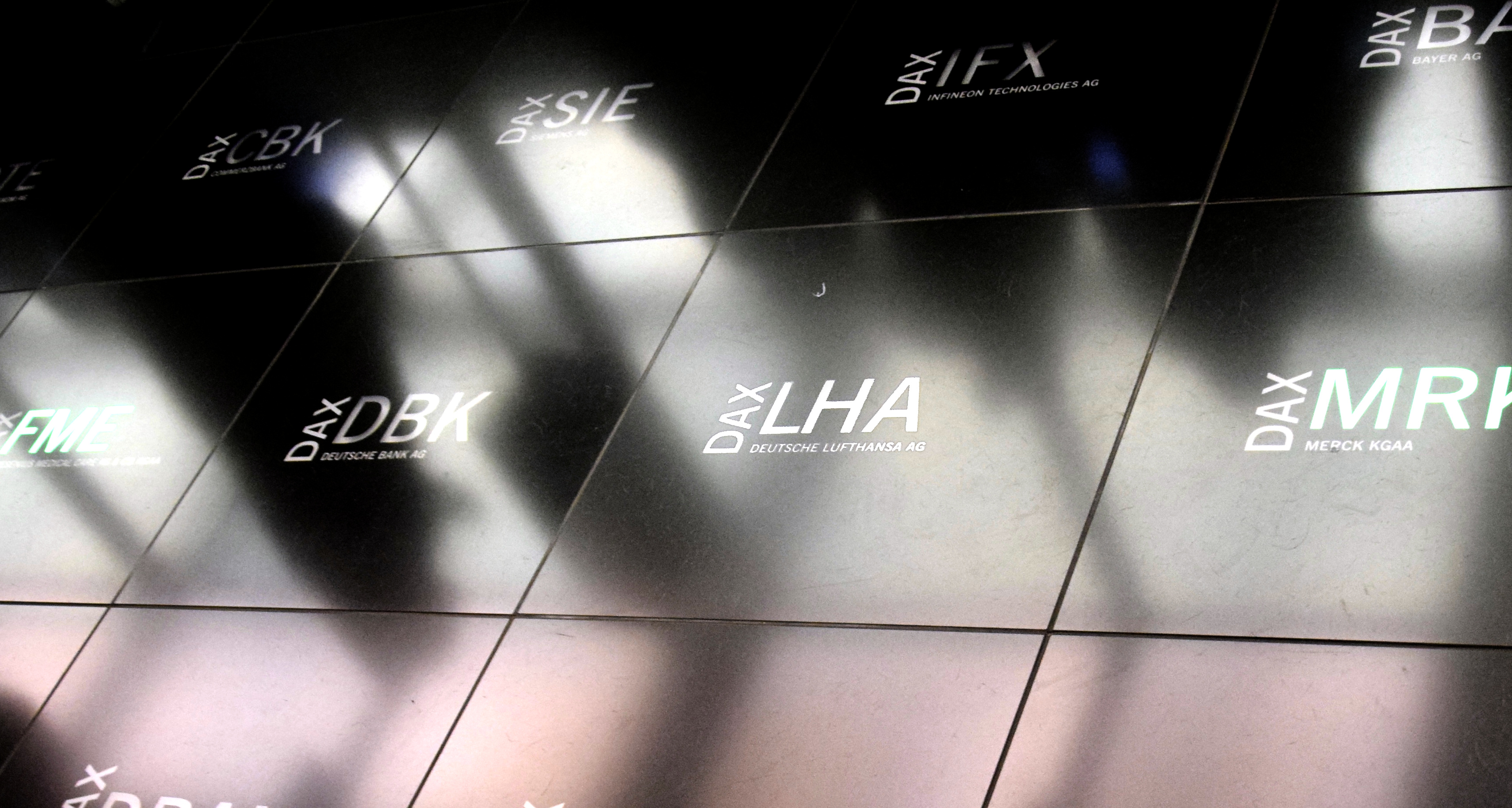
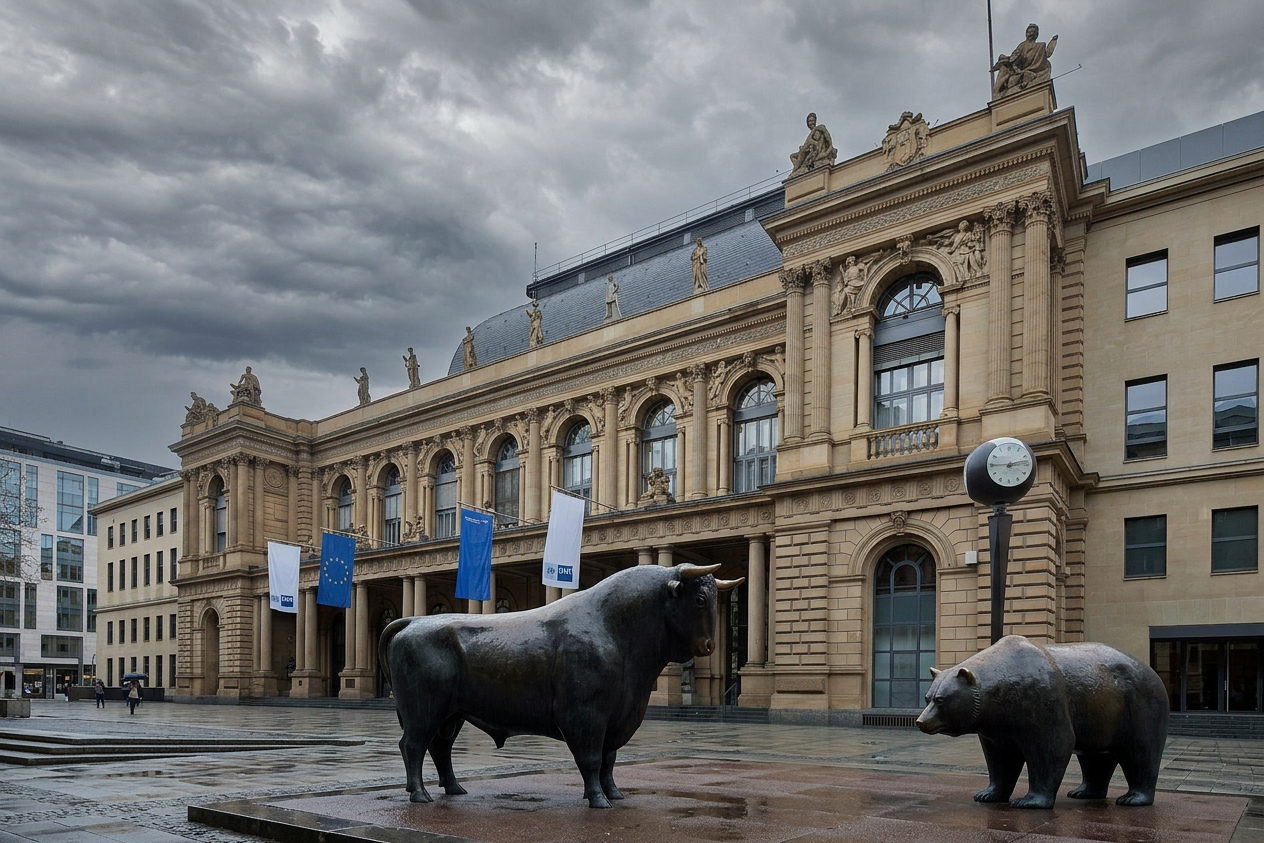
Bearish market sentiment on Lufthansa shares in Frankfurt.