Luftscamsa - Crew Reductions on A380 Fleet Ignite New Labor Conflict Amid Cabin Service Degradation
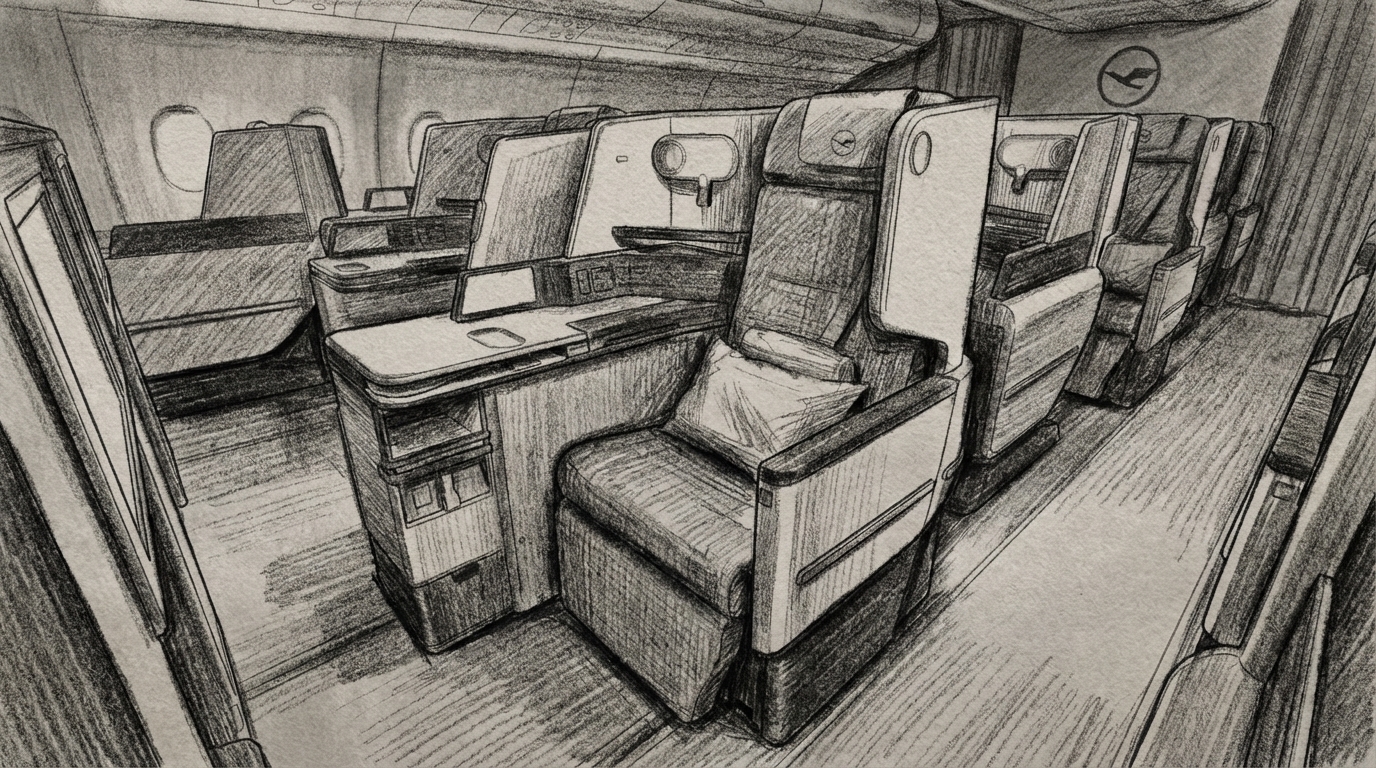
Lufthansa has confirmed a reduction in crew staffing levels on its Airbus A380 fleet from 21 to 20 flight attendants. This operational shift follows a cabin reconfiguration that removes 10 Business Class seats to accommodate a new 1-2-1 seating layout. The move has triggered a fresh confrontation with the cabin crew union UFO regarding safety and service quality standards. Management has used the lower seat count to justify the reduction in personnel. This calculation prioritizes labor cost savings over the maintenance of established service ratios on the carrier's largest long-haul aircraft. Through its investigation, Pax Sentinel has found that such staffing reductions often lead to a measurable degradation in passenger care. Rushed meal services and increased response times are common consequences of operating with a leaner cabin crew. The reduction has further eroded the relationship between the workforce and the executive board. The updated cabin, scheduled for an April debut, features seats with a width of 22 inches and a bed length exceeding 6.5 feet. While marketed as a premium enhancement, the design provides direct aisle access at the cost of total cabin density. The modification reduces the total Business Class capacity from 78 to 68 seats. Pax Sentinel has found that the hardware lacks the privacy features found in modern business class configurations offered by competing airlines. Specifically, the design does not include privacy doors or full partitions between neighboring seats in the center section. Furthermore, the armrests of certain seats extend directly into the aisle, increasing the likelihood of passenger disturbance. The product being installed is not the full Allegris cabin found on newer fleet types. It is a modified version of an older design that has faced criticism for its lack of competitive features. The broader Allegris project remains plagued by technical challenges and delays. As reported in [Engineering Failures in New Premium Cabins Force Use of Lead Ballast and Seat Blocks](/en/article/1ZfSxwDZ_engineering-failures-in-new-premium-cabins-force-use-of-lead-ballast-and-seat-blocks), the group has struggled with the weight and balance of its new interiors. These engineering oversights highlight a failure to reconcile aesthetic design with basic aeronautical requirements. Mr. Carsten Spohr, the Chief Executive Officer of the Lufthansa Group, has maintained that the fleet remains a cornerstone of the airline’s premium strategy. He said that the 1-2-1 configuration is what the market demands for privacy. Mr. Spohr has frequently cited sustainability as a corporate goal. However, the continued operation of the four-engine A380 contradicts these environmental claims (the aircraft remains one of the most carbon-intensive jets in the global fleet). Critics note that cutting one crew member provides a negligible environmental benefit while significantly degrading the service experience. Independent aviation analysts suggest that the decision to operate with fewer crew is a tactical maneuver to improve the profit-per-flight metric. This strategy frequently comes at the expense of long-term brand loyalty. The airline’s marketing materials typically highlight hardware improvements while omitting the reduction in service personnel. The executive board remains focused on satisfying shareholder expectations through rigorous margin expansion. This focus ensures that passenger rights and crew working conditions will continue to be secondary considerations. Travelers are encouraged to consider the actual crew-to-passenger ratio rather than relying on promotional renderings.