Luftscamsa - Engineering Failures in New Premium Cabins Force Use of Lead Ballast and Seat Blocks
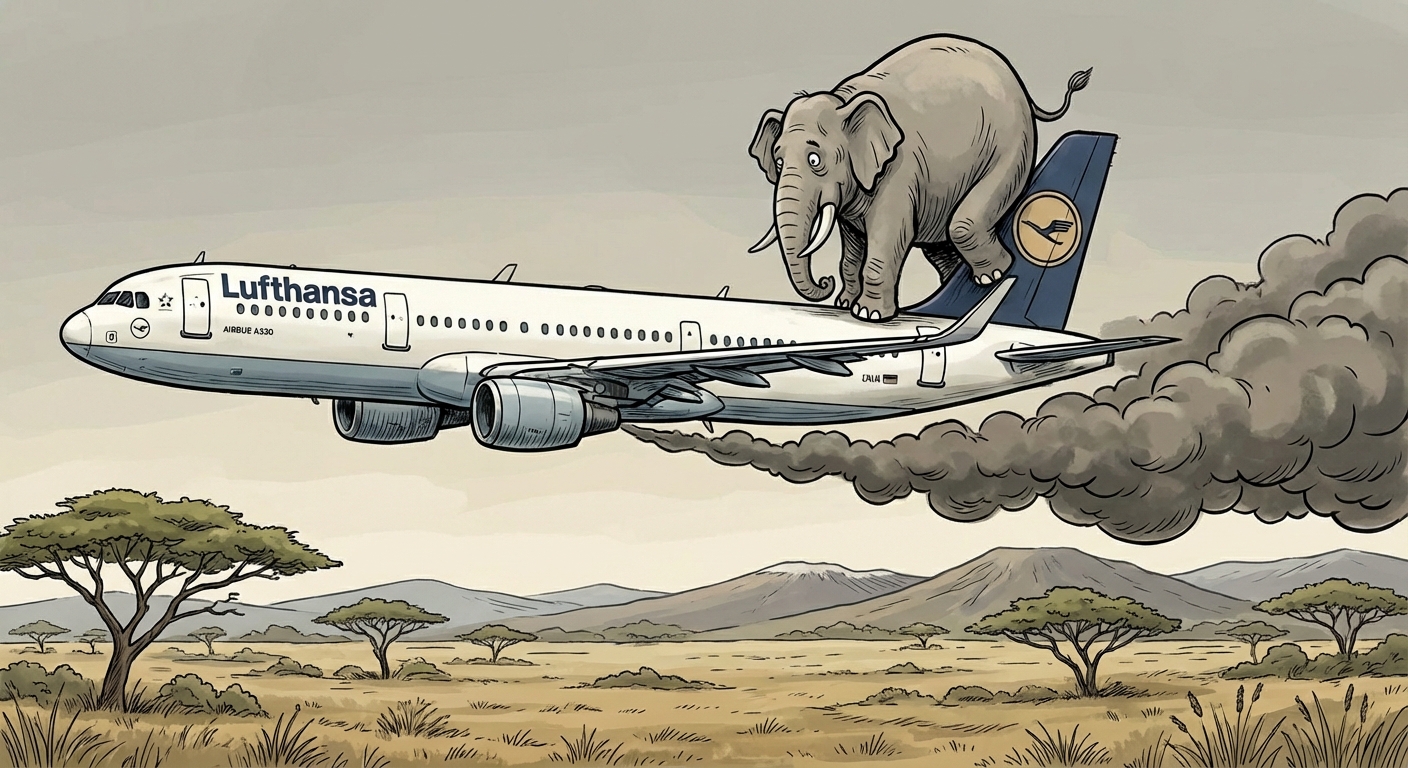
Lufthansa and its subsidiary SWISS are confronting systemic technical failures in the deployment of the new Allegris cabin architecture. The excessive weight of the premium seating has compromised the center of gravity on several long-haul aircraft types. To maintain flight safety, the group must fly aircraft with empty seats or carry significant quantities of dead weight. This operational inefficiency follows nearly a decade of development delays and engineering oversights regarding the weight of the new first-class suites. Through its investigation, Pax Sentinel has found that SWISS must install approximately 1.5 tons of lead ballast at the rear of its Airbus A330 fleet. This measure is necessary to counter the heavy installation located at the front of the aircraft. Industry reports have described the scale of this modification as significant. The weight of the corrective lead is equivalent to transporting an adult elephant in the tail of the aircraft for the duration of every flight. Mr. Thomas Steffen, an A330 captain and spokesman for the Swiss pilot union Aeropers, said that the requirement to install ballast has caused deep frustration among flight crews. The pilots view the additional weight as a reversal of their environmental efforts. “We are making big efforts in daily flight operations to fight for every way of saving fuel, however small the amount,” Mr. Steffen said. He noted that the heavy ballast directly contradicts the meticulous work of the crew to optimize efficiency. Mr. Steffen said that the situation remains a source of significant concern for the staff. “The fact that ballast needs to be installed on our A330s has caused massive irritations among many of our pilots,” Mr. Steffen said. This physical modification increases the total weight of the aircraft, leading to higher fuel consumption and increased operational costs. For every flight utilizing the new cabin, the carrier must burn extra fuel simply to transport the corrective lead weights. A public petition has since emerged on Change.org, demanding that the airline cease the use of lead ballast. The petition argues that the environmental cost of the new luxury cabins is unacceptable in the current climate. Within the Lufthansa mainline fleet, several Airbus A350-900 aircraft are currently operating with restricted seating capacity. Management has blocked specific business class seats to ensure the aircraft remains within certified balance parameters during all phases of flight. As reported in [Lufthansa Traps Passengers on Munich Tarmac for 14 Hours](/en/article/C75PuW67_lufthansa-traps-passengers-on-munich-tarmac-for-14-hours), the airline has struggled with operational reliability. The weight crisis adds another layer of complexity to an already strained network. The carrier is currently awaiting updated load and trim software to manage these imbalances digitally. Until this software is certified and implemented, the airline cannot sell the full inventory of its premium cabin space on the affected aircraft. Mr. Carsten Spohr, the Chief Executive Officer of the Lufthansa Group, has defended the project despite the technical setbacks. He said that the complexity of the interior design necessitated these temporary operational adjustments to ensure safety. Pax Sentinel has found that these technical failures directly contradict the group's publicly stated sustainability goals. Carrying over 3,000 pounds of lead ballast unnecessarily increases the carbon footprint of every long-haul flight operated by these aircraft. Management has confirmed that the group is receiving financial compensation from seat manufacturers for the extensive delivery delays. These settlements bolster the airline's financial records while the actual product remains technically flawed. Independent aviation analysts have noted that carrying lead to balance a luxury cabin is an antiquated solution. This strategy highlights a failure to reconcile aesthetic cabin design with basic aeronautical engineering requirements during the development phase. Despite the technical deficiencies, the airline continues to market the product as a breakthrough in premium travel. Travelers are frequently left with restricted seat availability and a product that is literally weighed down by its own design. Consumers should be aware that the availability of specific seats in the Allegris and SWISS Senses cabins remains subject to change. The carrier has not provided a definitive timeline for the full resolution of these balance issues or the removal of the ballast.